To rescue Kahlo from the clutches of the corporate art market, we need to acknowledge the overt and covert political dimensions of the work, demands GAVIN O’TOOLE


 Latest editorial
How scientific advances ushered in one of the best known periods in European painting
Michal Boncza on Impressionism, one of the most enduring instantly recognisable periods in art
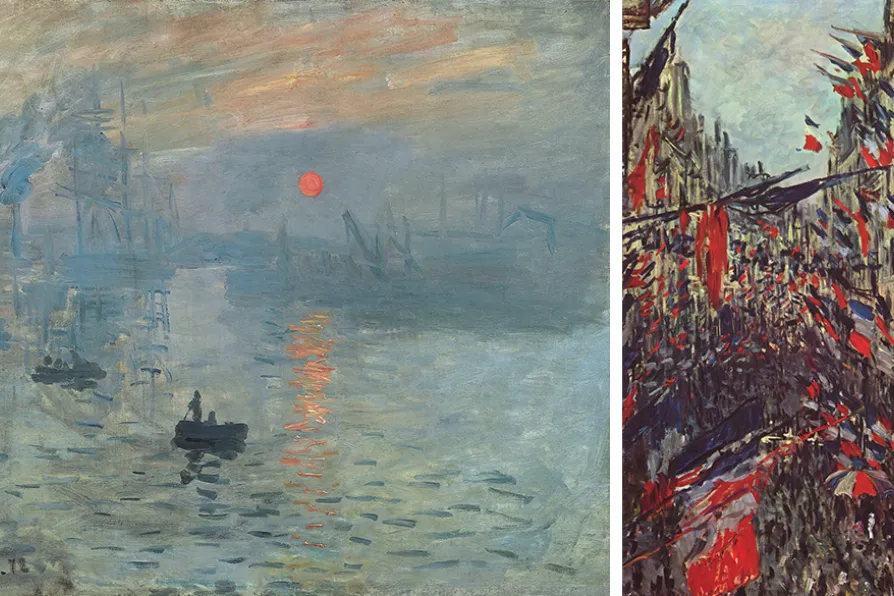 (Left) Impression, Sunrise, 1874; (right) La rue Saint Denis - street festivities of 30 June 1878, Paris
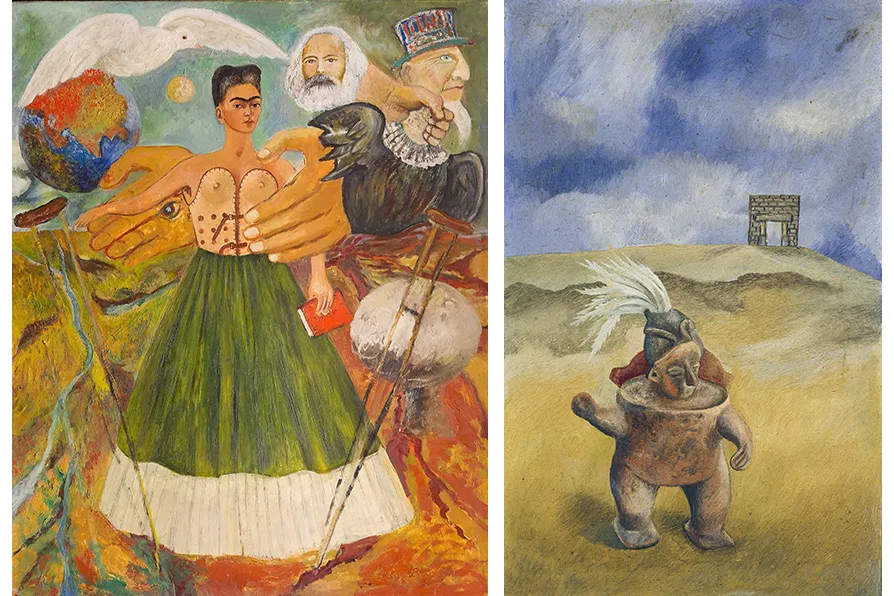
If you can see past the relentless commodification you will be rewarded by enormously powerful work, suggests JENNY MITCHELL
CHRIS SEARLE revels in the one-off collaboration between an American polymath and a British Muslim, and detects the presence of their revolutionary forebear
GORDON PARSONS revels in an ebullient production of Shakespeare’s magical comedy
BRENT CUTLER welcomes a thoughtful analysis of the Erdogan regime, viewed through the evolving history of a neighbourhood in Istanbul
GORDON PARSONS regrets the price, but is dazzled by an outstandingly ambitious study of the way art restoration in particular, and culture in general was weaponised by the Nazis





IN 1874, three years after the bloody and traumatic demise of the Paris Commune, Claude Monet — son of a Parisian greengrocer — showed his work at group exhibition in Paris of like-minded painters.
His canvas, laconically titled Impression, Sunrise, depicts in swift and almost off-hand brush strokes the hazy view of the port of his adopted city Le Havre, as seen from his window at a dawn enveloped by dense fog.
The canvas's title provided the Le Charivary magazine’s art critic Louis Leroy's with the headline “The Exhibition of the Impressionists” for the review — not particularly imaginative, except for the neologism “impressionists.” It stuck like glue.

Similar stories
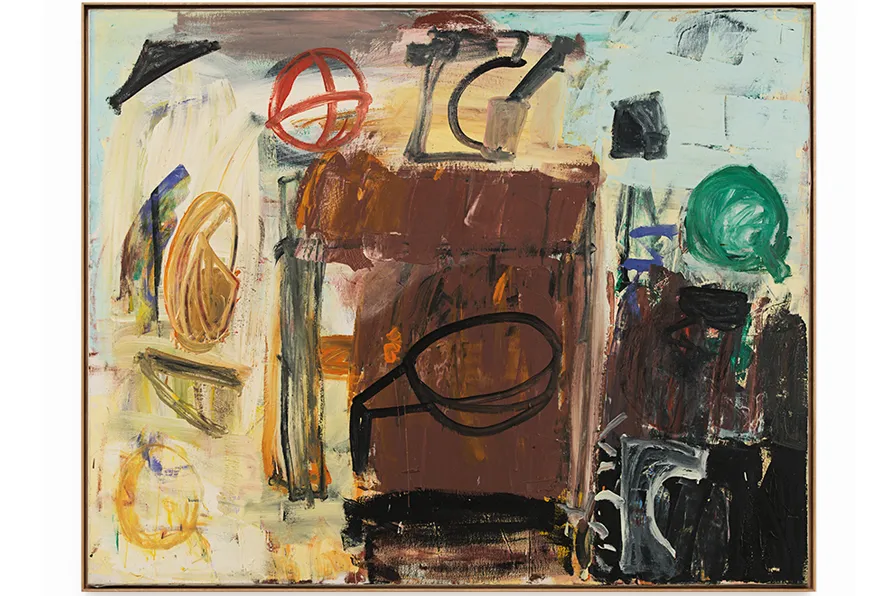
MIRANDA RICHMOND relishes the gloriously liberated art of Roy Oxlade, and traces his method back to the thinking of David Bomberg, his acknowledged teacher
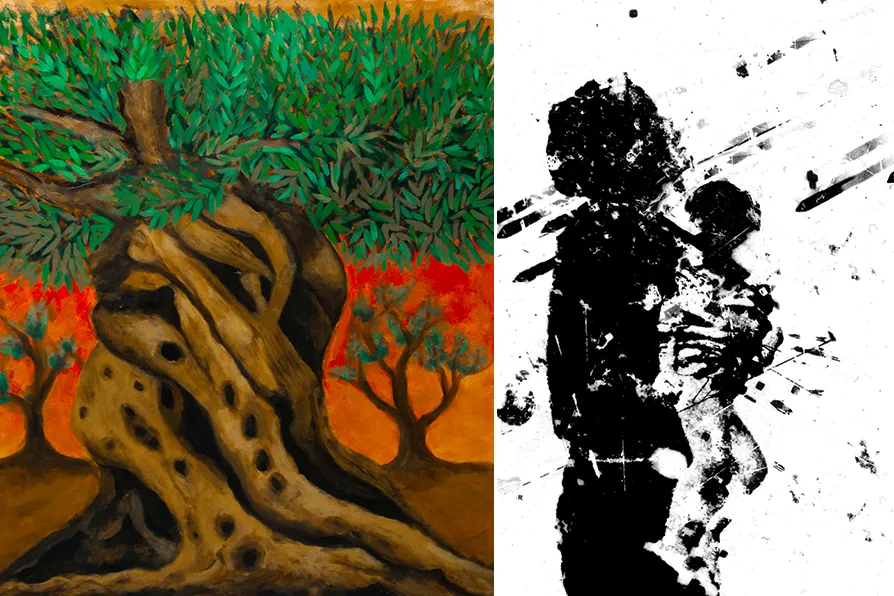
JAN WOOLF invigilates images that meditate on Palestine, and the people who witness them
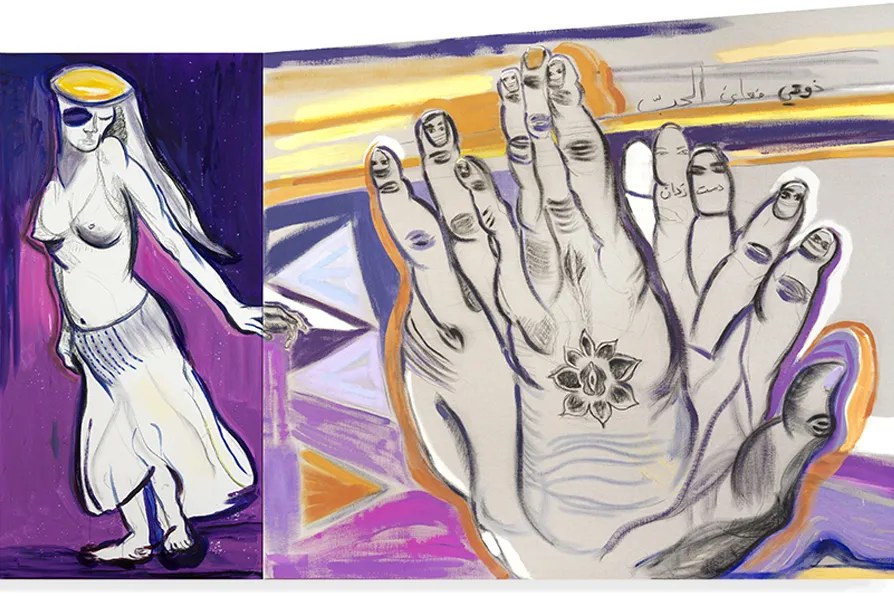
SIMON PARSONS applauds an artist who rescues and rehumanises stories of women, the victims of violence, from a feminist perspective
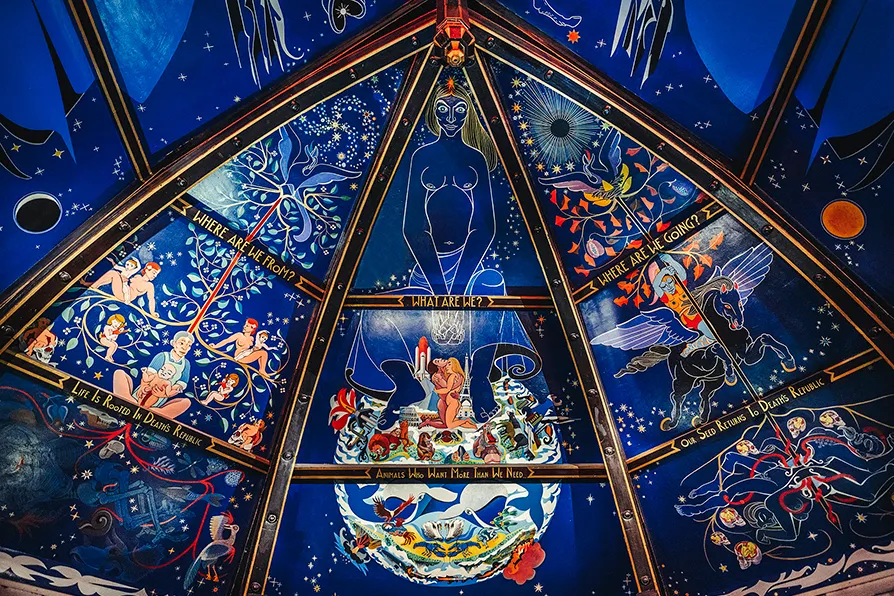
BLANE SAVAGE recommends the display of nine previously unseen works by the Glaswegian artist, novelist and playwright