All the evidence shows voters want Labour to shift to the left — but initial signs from Andy Burnham are worrying on that front, cautions DIANE ABBOTT


 Latest editorial
A century of sectarianism — but the end is in sight
NICK WRIGHT assesses the fortunes of the ‘British’ statelet in the North of Ireland as unionism’s descent approaches terminal velocity
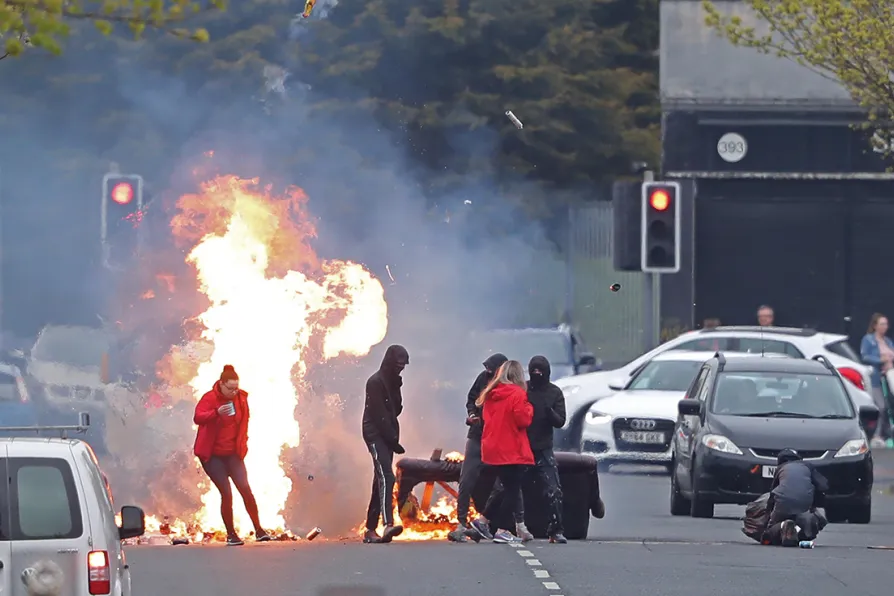 BREAKDOWN: Loyalist rioting on the Shankill Road earlier this year

ANDY McDONALD MP says Labour must show it is capable of delivering real improvements in people’s lives — bold action is required
ANGUS REID and ANDREW JOHNSTONE report on an initiative that we must take this summer
ALLISON FEWTRELL on what Plaid Cymru's historic election victory means for the communities being failed by Wales’s housing crisis, and four things the new government can do right now
France Insoumise MP JEROME LEGAVRE speaks to Christophe Domec on building the Europe-wide peace movement that came together in the International Conference Against War last weekend
At last weekend’s International Conference Against War, LINDA PENTZ GUNTER talks to the Palestinian physician and politician about the struggles ahead to achieve a truly free Palestine





TODAY is the centenary of the partition of Ireland. This brutal act was accompanied — as became routine with Britain’s slow-burn crisis of imperial rule as its colonial subjects sought national liberation — with great violence.
How Ireland became a colony of the British crown is a story of savagery and theft. The Plantation of Ulster — the most Gaelic part of the island — was carried out in the reigns of Henry VIII, Elizabeth I and James I (VI of Scotland), and the working out of this tragedy of avarice has reached the present crisis in the reign of the second Elizabeth.
The new settlers, who largely forced the existing occupants from their land, were mostly required to be English-speaking, Protestant and loyal to the crown. The invasion was not confined to the Northern province of Ulster but it was in this part of the Irish mainland where it was most thoroughly instituted by the occupation authorities.

Similar stories
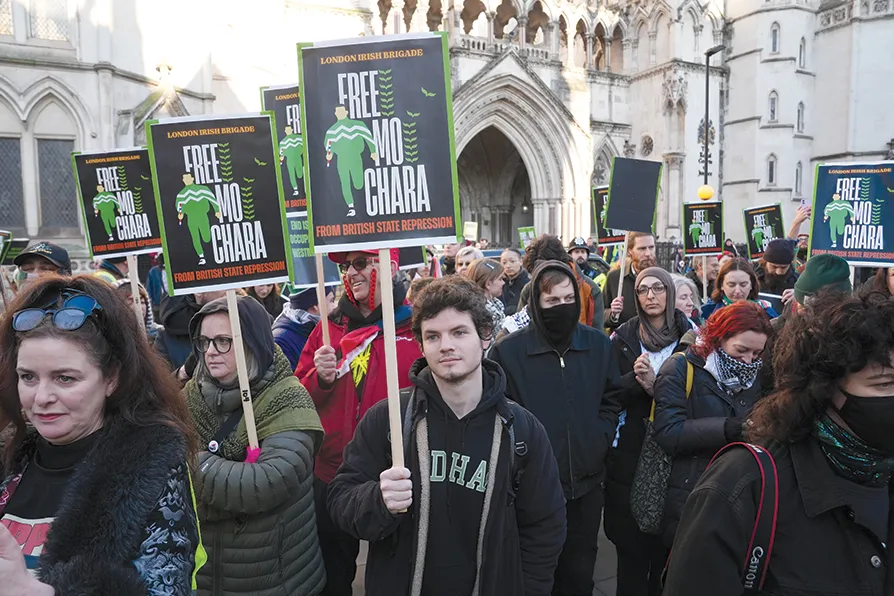
AARON SMITH discusses why the Protestant diaspora are still part of Yeats’s ‘Indomitable Irishry’, and an integral part of any future united Ireland.
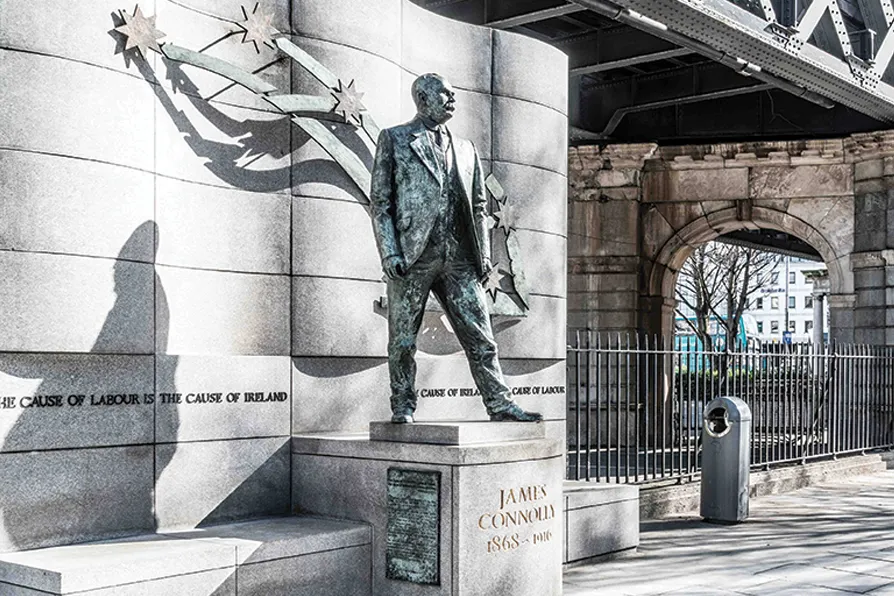
A new group within the NEU is preparing the labour movement for a conversation on Irish unity by arguing that true liberation must be rooted in working-class solidarity and anti-sectarianism, writes ROBERT POOLE
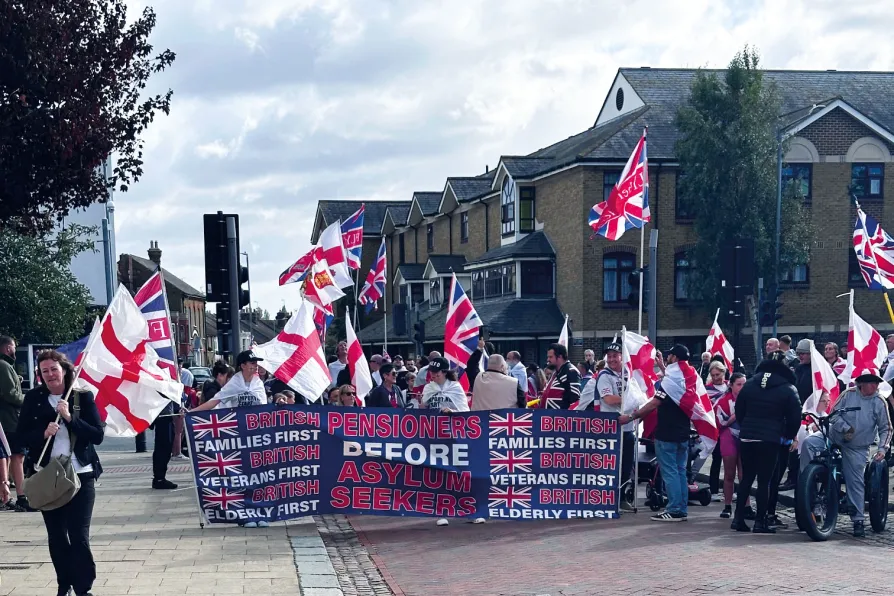
Once again, our broad-based coalition outnumbered the anti-migrant protest in Faversham, but tackling the sentiment behind this wave of anger requires explaining the real reasons pushing millions into leaving their homelands, argues NICK WRIGHT

Starmer sabotaged Labour with his second referendum campaign, mobilising a liberal backlash that sincerely felt progressive ideals were at stake — but the EU was then and is now an entity Britain should have nothing to do with, explains NICK WRIGHT