All the evidence shows voters want Labour to shift to the left — but initial signs from Andy Burnham are worrying on that front, cautions DIANE ABBOTT


 Latest editorial
High flyers: the secret life of great reed warblers
Researchers have found that a small migrating warbler flies to a height of over five kilometres above the Sahara Desert
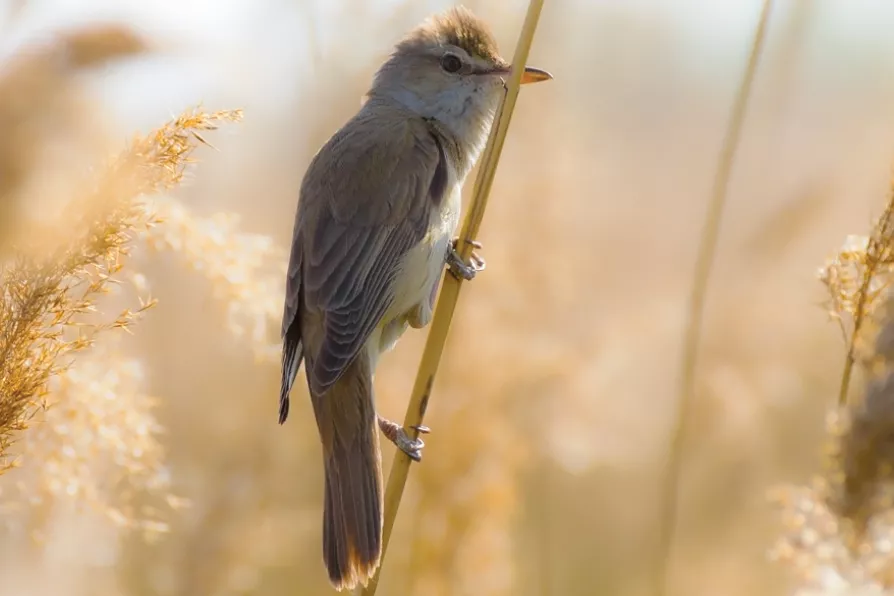 The Great Reed Warbler
[Eugene Stolyarov/Creative Commons]
The Great Reed Warbler
[Eugene Stolyarov/Creative Commons]

ANDY McDONALD MP says Labour must show it is capable of delivering real improvements in people’s lives — bold action is required
ANGUS REID and ANDREW JOHNSTONE report on an initiative that we must take this summer
ALLISON FEWTRELL on what Plaid Cymru's historic election victory means for the communities being failed by Wales’s housing crisis, and four things the new government can do right now
France Insoumise MP JEROME LEGAVRE speaks to Christophe Domec on building the Europe-wide peace movement that came together in the International Conference Against War last weekend
At last weekend’s International Conference Against War, LINDA PENTZ GUNTER talks to the Palestinian physician and politician about the struggles ahead to achieve a truly free Palestine





IN A column a few weeks ago, we wrote about new research into the migration patterns of peregrine falcons.
Falcons prey on small birds. But some of these small birds have long migrations of their own. This week, new research reports a remarkable finding about a small songbird, the great reed warbler.
These birds weigh less than a slice of bread but must migrate long distances, from breeding sites in northern Europe to spend winter in tropical Africa. Two times a year, they cross barriers of sea and sand: the Mediterranean Sea and the Sahara Desert. Whereas normally they fly at night and rest in the day to shelter from predators, over these barriers they fly non-stop – due to the lack of food and shelter at ground level.
Previous research had identified this change of behaviour. It was also known that during the night, the birds typically flew quite high above the ground. But when the team of researchers analysed the information from the geolocators they had fitted to 14 individual warblers, they were shocked.
During the night, the warblers flew as expected, around 2km (1.2 miles) above the ground.

Similar stories


Coal-fired stoves in traditional homes are the primary source of extreme levels of air pollution in over-crowded Ulaanbaatar. As more people become climate-displaced, the situation is likely to worsen, write SCIENCE AND SOCIETY

Neutrinos are so abundant that 400 trillion pass through your body every second. ROX MIDDLETON, LIAM SHAW and MIRIAM GAUNTLETT explain how scientists are seeking to know more about them

What’s behind the stubborn gender gap in Stem disciplines ask ROX MIDDLETON, LIAM SHAW and MIRIAM GAUNTLETT in their column Science and Society