To rescue Kahlo from the clutches of the corporate art market, we need to acknowledge the overt and covert political dimensions of the work, demands GAVIN O’TOOLE


 Latest editorial
Novel rendition of Kat'a Kabanova
JAMES MATHER recommends an innovative production of Leos Janacek's opera
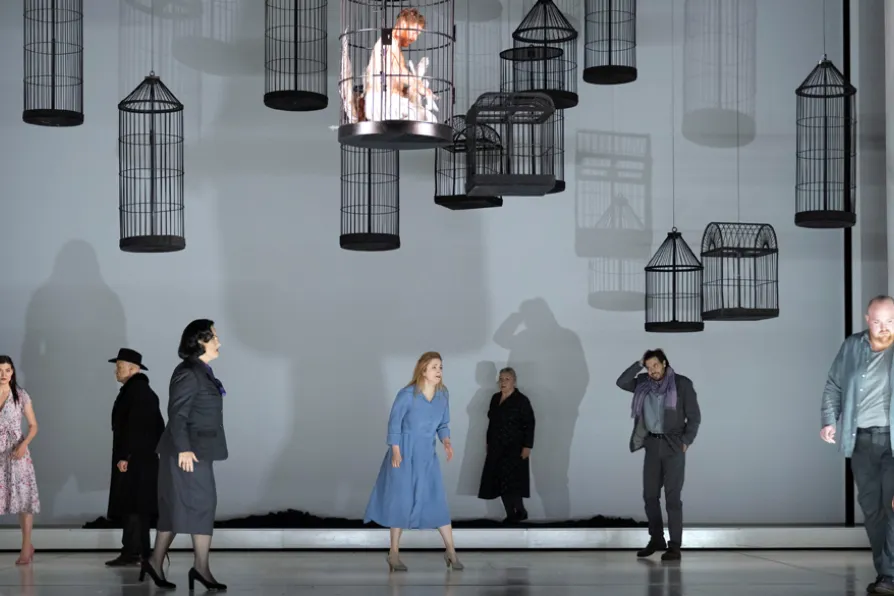 STRIKINGLY MODERN: Kat’a Kabanova
[Richard Hubert Smith]
STRIKINGLY MODERN: Kat’a Kabanova
[Richard Hubert Smith]
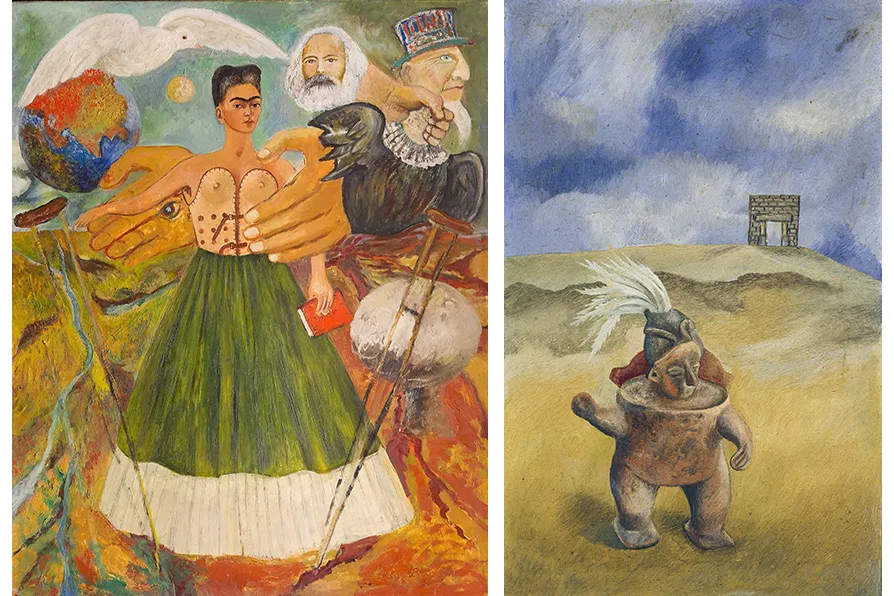
If you can see past the relentless commodification you will be rewarded by enormously powerful work, suggests JENNY MITCHELL
CHRIS SEARLE revels in the one-off collaboration between an American polymath and a British Muslim, and detects the presence of their revolutionary forebear
GORDON PARSONS revels in an ebullient production of Shakespeare’s magical comedy
BRENT CUTLER welcomes a thoughtful analysis of the Erdogan regime, viewed through the evolving history of a neighbourhood in Istanbul
GORDON PARSONS regrets the price, but is dazzled by an outstandingly ambitious study of the way art restoration in particular, and culture in general was weaponised by the Nazis





Kat’a Kabanova
Glyndebourne Festival Theatre, Sussex
SOMEWHAT appropriately in these pandemic times, Leos Janacek’s Kat’a Kabanova centres around the conflict of a liberating outdoors and a repressive indoors. Adapted from Alexander Ostrovsky’s 1859 play The Storm, a hallmark of Russian realist theatre, it is a pointed criticism of the merchant class.
Janacek’s elegantly romantic yet strikingly modern compositional style excels at conveying the inner conflicts of the characters, while sonically illustrating the town of Kalinov on the Volga river. Despite Moravian-born Janacek’s pan-Slavist ambitions, Kat’a Kabanova has a universal relatability — a loveless marriage, infidelity, family pressures, mental ill-health, abuse and suicide are all in the narrative mix.
Yet Janacek conjures an uplifting joie de vivre in the musical landscape of the opera. The content is dark but there’s a jovial mood after the final act — life is strenuous and we are all at the mercy of caprice yet there is a beauty in our complexities.

Similar stories
PETER MASON applauds a stage version of Le Carre’s novel that questions what ordinary people have to gain from high-level governmental spying
Although this production was in rehearsal before the playwright’s death, it allows us to pay homage to his life, suggests MARY CONWAY
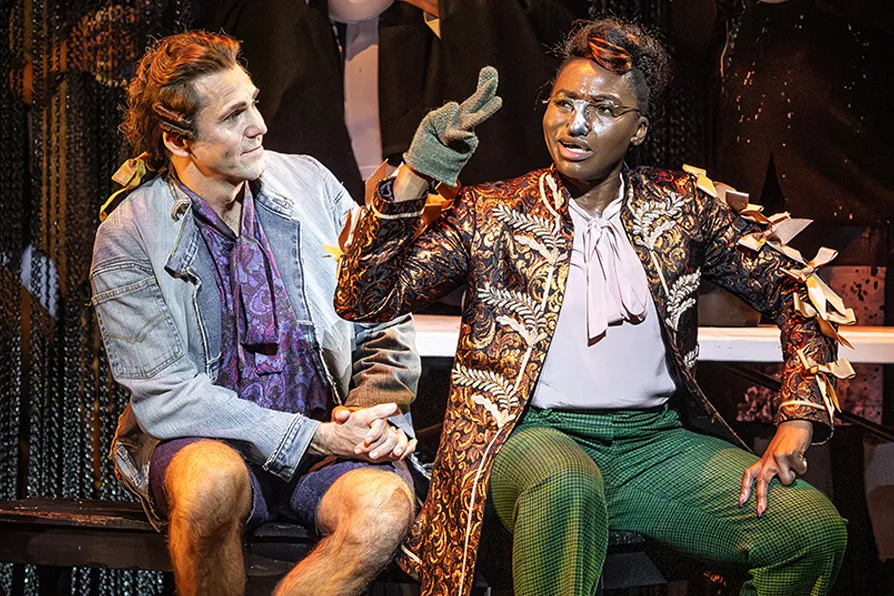
DAVID NICHOLSON recommends a dazzling production of Bernstein’s opera set in a world where chaos and violence are greeted by equanimity
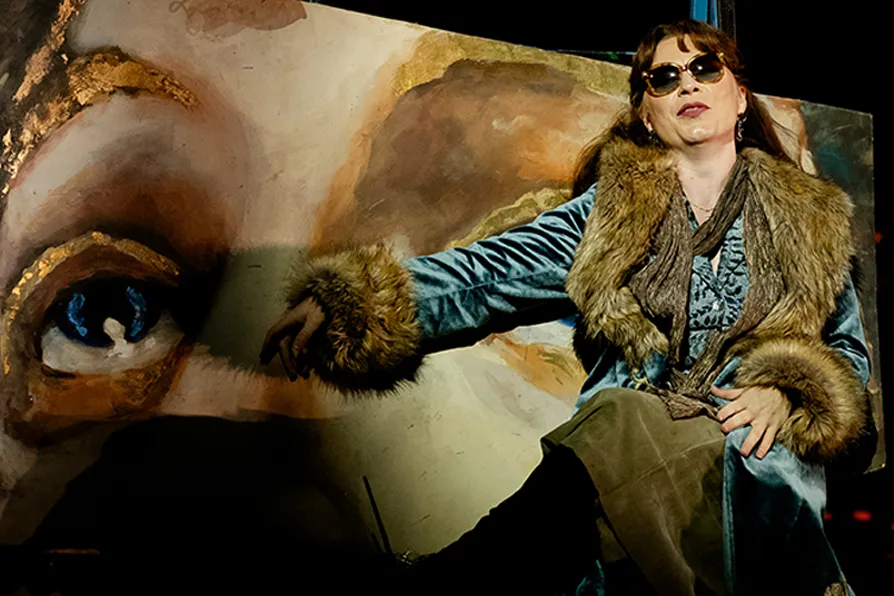
DAVID NICHOLSON is thrilled – and shocked – by an opera that seethes and sizzles with passion and the depraved use of power