All the evidence shows voters want Labour to shift to the left — but initial signs from Andy Burnham are worrying on that front, cautions DIANE ABBOTT


 Latest editorial
China, navigating a path to socialism
On the eve of the 100th anniversary of the founding of the Communist Party of China the Morning Star starts a series of articles by CARLOS MARTINEZ
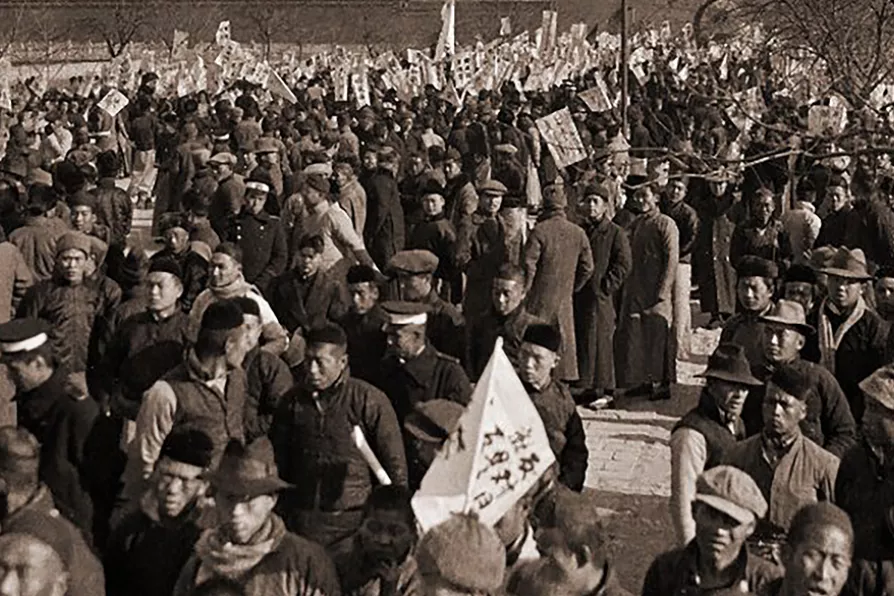 IN THE BEGINNING: More than 30,000 students gather on November 29 1919 at Tiananmen Square in protest against Japanese imperialism for killing the people of Fuzhou
[Sidney D GambleCreative Commons]
IN THE BEGINNING: More than 30,000 students gather on November 29 1919 at Tiananmen Square in protest against Japanese imperialism for killing the people of Fuzhou
[Sidney D GambleCreative Commons]

ANDY McDONALD MP says Labour must show it is capable of delivering real improvements in people’s lives — bold action is required
ANGUS REID and ANDREW JOHNSTONE report on an initiative that we must take this summer
ALLISON FEWTRELL on what Plaid Cymru's historic election victory means for the communities being failed by Wales’s housing crisis, and four things the new government can do right now
France Insoumise MP JEROME LEGAVRE speaks to Christophe Domec on building the Europe-wide peace movement that came together in the International Conference Against War last weekend
At last weekend’s International Conference Against War, LINDA PENTZ GUNTER talks to the Palestinian physician and politician about the struggles ahead to achieve a truly free Palestine





THE Communist Party of China (CPC) was formed in July 1921. From that time up to the present day, it has led the Chinese Revolution – a revolution to eliminate feudalism, to regain China’s national sovereignty, to end foreign domination of China, to build socialism, to create a better life for the Chinese people, and to contribute to a peaceful and prosperous future for humanity.
Feudalism was dismantled in CPC-controlled territories from the early 1930s onwards, and throughout the country in the period immediately following the establishment of the People’s Republic in 1949.
Similarly, warlord rule was ended and a unified China essentially established in 1949; Hong Kong was returned to Chinese rule in 1997 and Macao in 1999. Only Taiwan continues to be governed separately and to serve foreign interests.

Similar stories
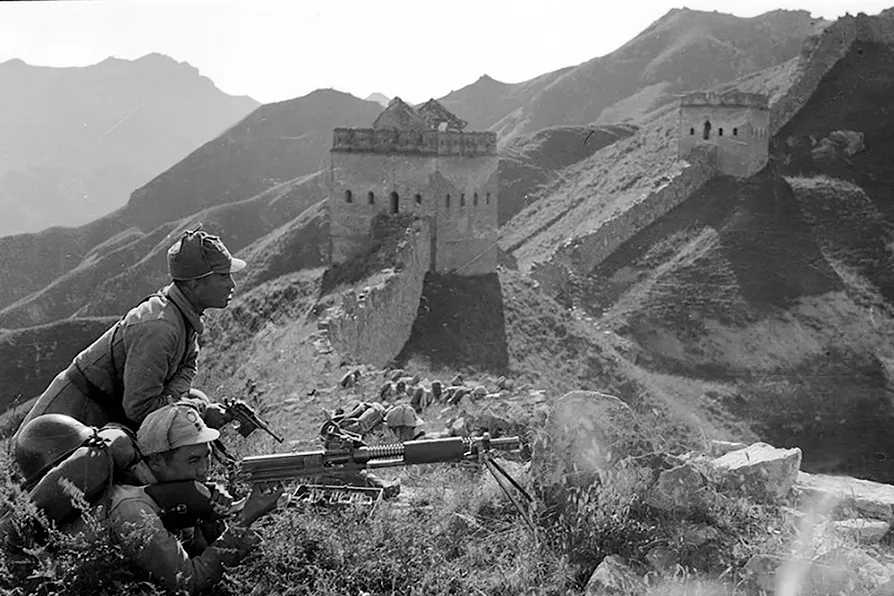
In Part 4 of her look at the Chinese revolution JENNY CLEGG addresses the relationship between the Peasant Movement and the National Movement
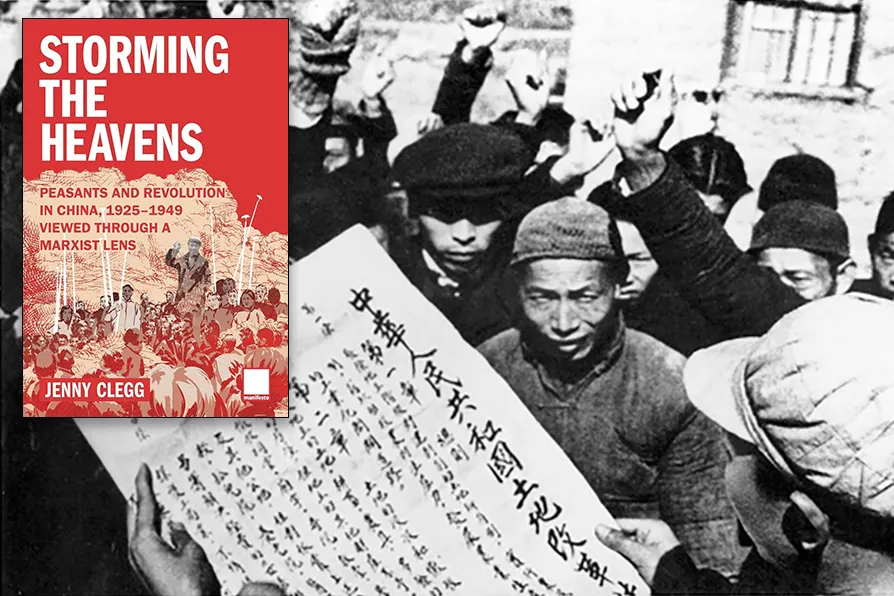
BEN CHACKO welcomes a masterful analysis that puts class struggle back at the heart of our understanding of China’s revolution
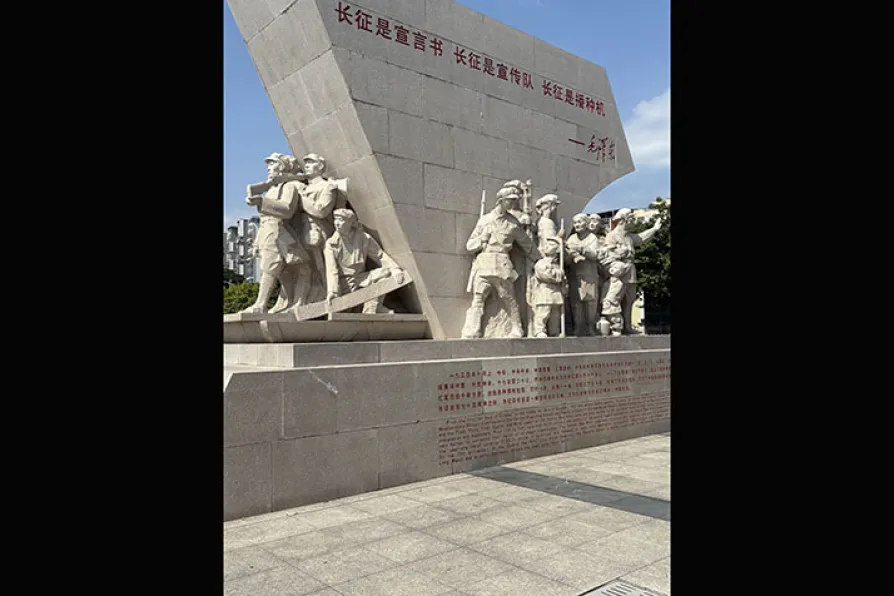
STEPHEN BELL reports from a delegation that traced the steps of China’s socialist revolution from its first modest meetings to the Red Army’s epic 9,000km battle to create the modern nation that today defies every capitalist assumption

Activists from across the world gathered in China for an educational exchange where they witnessed the progress the country has made in building an ecological society and discussed the path to peaceful international relations, reports CALLUM NORRIS