All the evidence shows voters want Labour to shift to the left — but initial signs from Andy Burnham are worrying on that front, cautions DIANE ABBOTT


 Latest editorial
A century of the Communist Party of China: Reform and opening up — the great betrayal?
Deng Xiaoping’s economic reforms of 1978 were a turning point in the history of the country. CARLOS MARTINEZ puts the policies into context


ANDY McDONALD MP says Labour must show it is capable of delivering real improvements in people’s lives — bold action is required
ANGUS REID and ANDREW JOHNSTONE report on an initiative that we must take this summer
ALLISON FEWTRELL on what Plaid Cymru's historic election victory means for the communities being failed by Wales’s housing crisis, and four things the new government can do right now
France Insoumise MP JEROME LEGAVRE speaks to Christophe Domec on building the Europe-wide peace movement that came together in the International Conference Against War last weekend
At last weekend’s International Conference Against War, LINDA PENTZ GUNTER talks to the Palestinian physician and politician about the struggles ahead to achieve a truly free Palestine





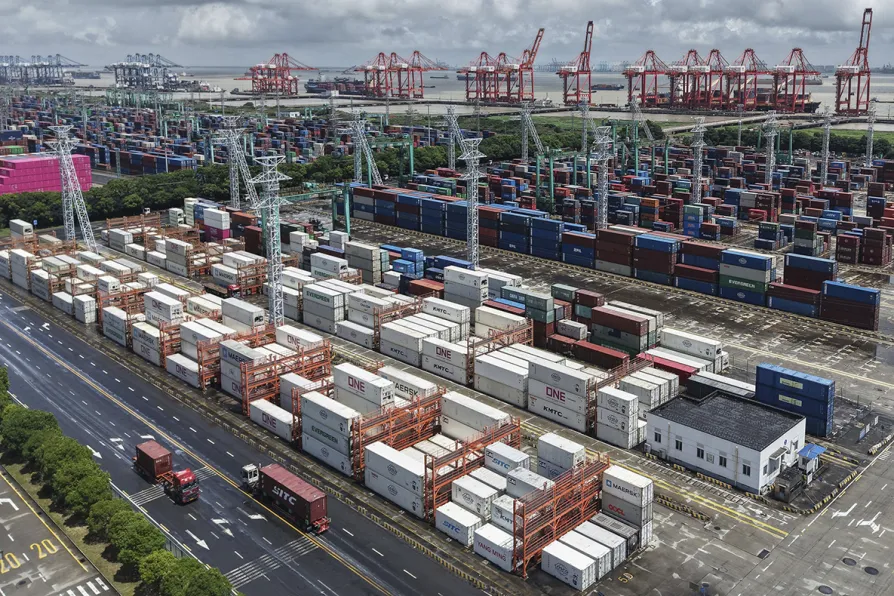
FROM 1978, the post-Mao Chinese leadership embarked on a process of “reform and opening up” — gradually introducing market mechanisms to the economy, allowing elements of private property, and encouraging investment from the capitalist world.
This programme posited that, while China had established a socialist society, it would remain for some time in the primary stage of socialism, during which period it was necessary to develop a socialist market economy — combining planning, the development of a mixed economy and the profit motive — with a view to maximising the development of the productive forces.
Deng Xiaoping, who had been one of the most prominent targets of the Cultural Revolution and who had risen to become de facto leader of the CPC from 1978, theorised reform and opening up in the following terms: “The fundamental task for the socialist stage is to develop the productive forces.

Similar stories
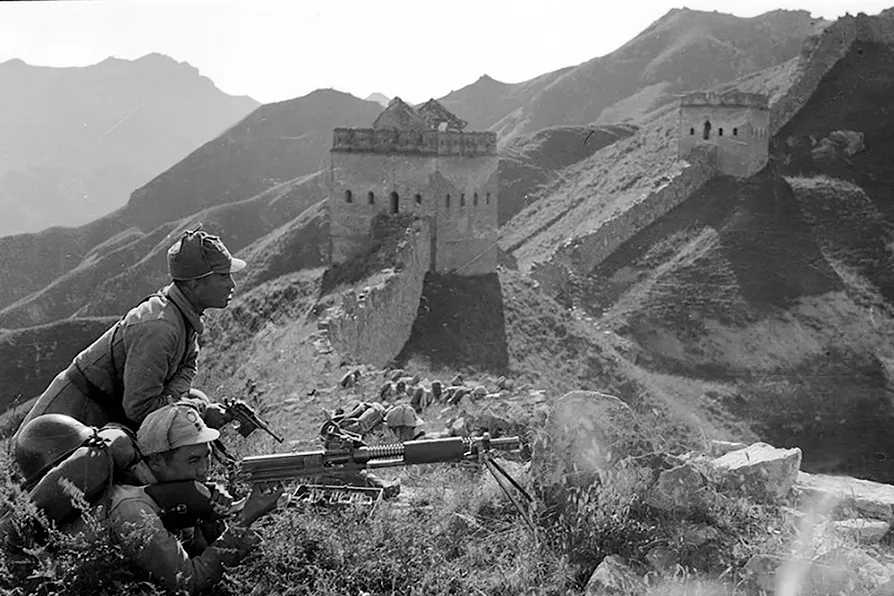
In Part 4 of her look at the Chinese revolution JENNY CLEGG addresses the relationship between the Peasant Movement and the National Movement
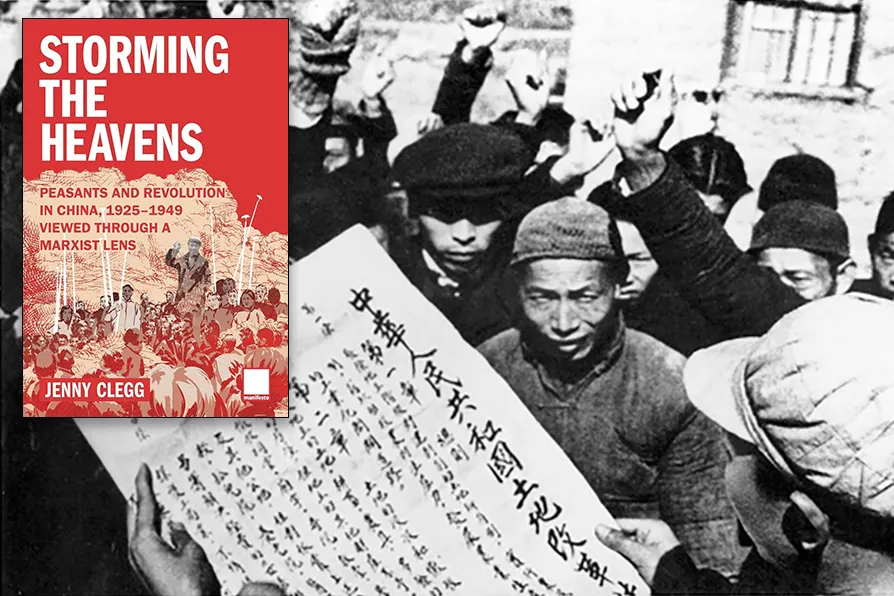
BEN CHACKO welcomes a masterful analysis that puts class struggle back at the heart of our understanding of China’s revolution
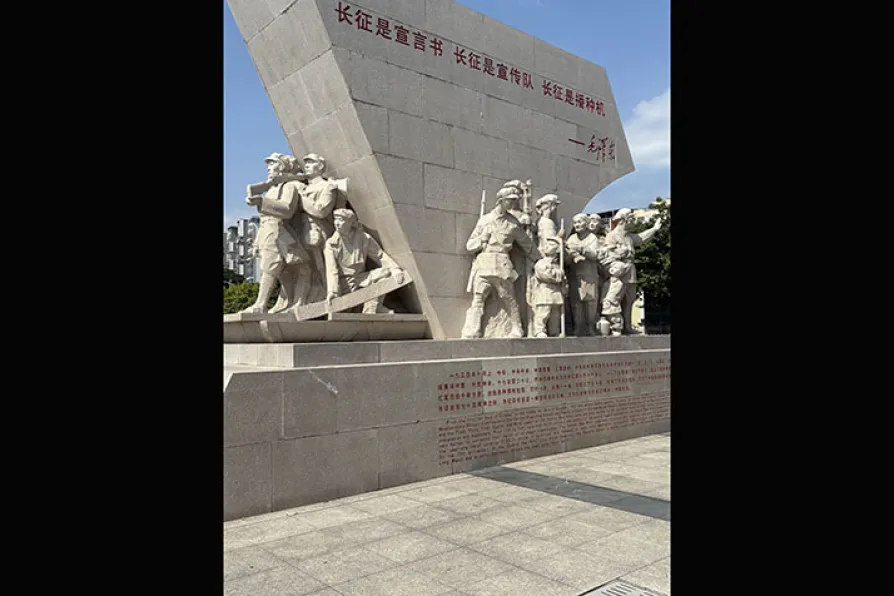
STEPHEN BELL reports from a delegation that traced the steps of China’s socialist revolution from its first modest meetings to the Red Army’s epic 9,000km battle to create the modern nation that today defies every capitalist assumption