To rescue Kahlo from the clutches of the corporate art market, we need to acknowledge the overt and covert political dimensions of the work, demands GAVIN O’TOOLE


 Latest editorial
Walter Scott: The father of the historical novel
On his 250th birth anniversary, JENNY FARRELL looks back at the life and work of the great Scottish writer
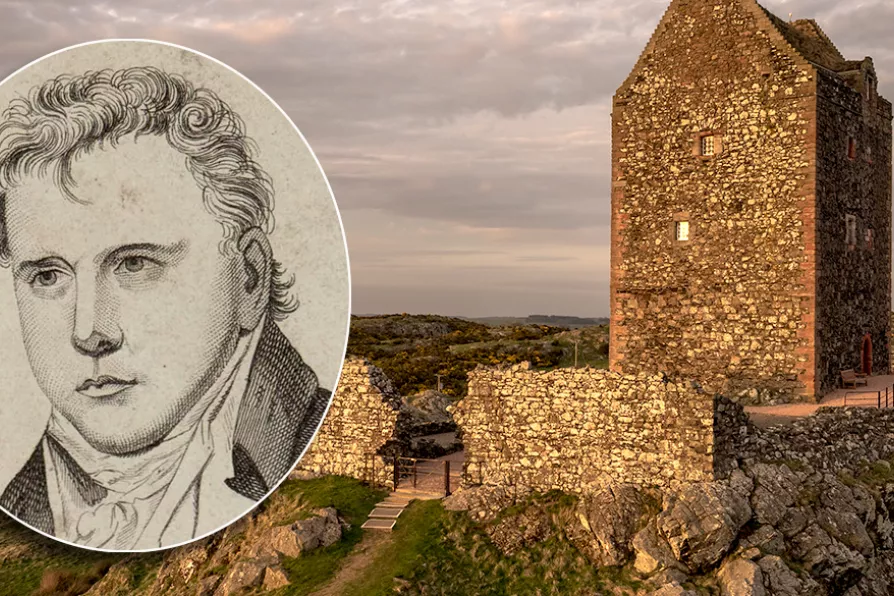 HOME FROM HOME: The early 16th-century Mailholm Tower in Scotland was where Walter Scott spent much time time during his youth
[Keith Proven/Creative Commons]
HOME FROM HOME: The early 16th-century Mailholm Tower in Scotland was where Walter Scott spent much time time during his youth
[Keith Proven/Creative Commons]
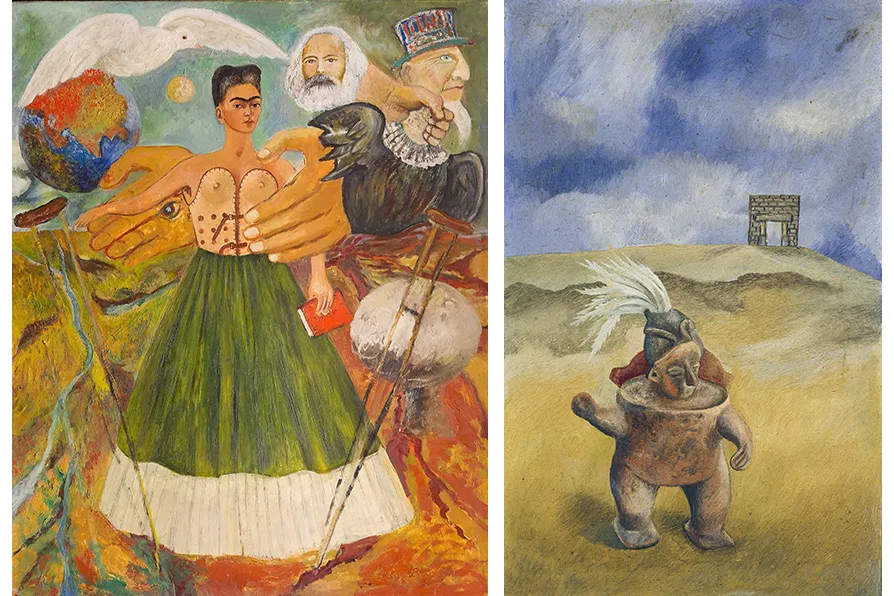
If you can see past the relentless commodification you will be rewarded by enormously powerful work, suggests JENNY MITCHELL
CHRIS SEARLE revels in the one-off collaboration between an American polymath and a British Muslim, and detects the presence of their revolutionary forebear
GORDON PARSONS revels in an ebullient production of Shakespeare’s magical comedy
BRENT CUTLER welcomes a thoughtful analysis of the Erdogan regime, viewed through the evolving history of a neighbourhood in Istanbul
GORDON PARSONS regrets the price, but is dazzled by an outstandingly ambitious study of the way art restoration in particular, and culture in general was weaponised by the Nazis





WALTER SCOTT, celebrated by Marxist critic Gyorgy Lukacs as the founder of the historical novel, was born in Edinburgh 250 years ago on August 15, 1771.
Born into the upper middle class, his family preserved a sense of tradition of one of the great Scottish clans. Like Rabbie Burns, Scott grew up with the songs and legends of Scotland, a cultural awareness that created a deep sense of national identity.
Scott’s collection Minstrelsy of the Scottish Border, a ballad anthology, made him famous. Besides writing, he was deputy sheriff of Selkirkshire, part-owner of a printing press and later a publishing house. Growing debts, however, impacted on his writing.

Similar stories
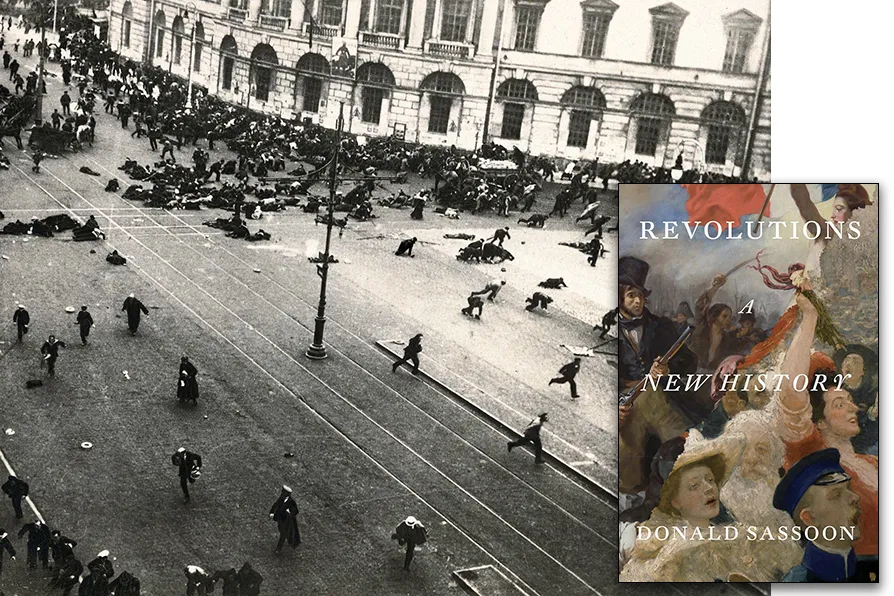
HENRY BELL follows the lineage of revolutions, from the English to the Chinese, and asks where revolutionary politics exists today
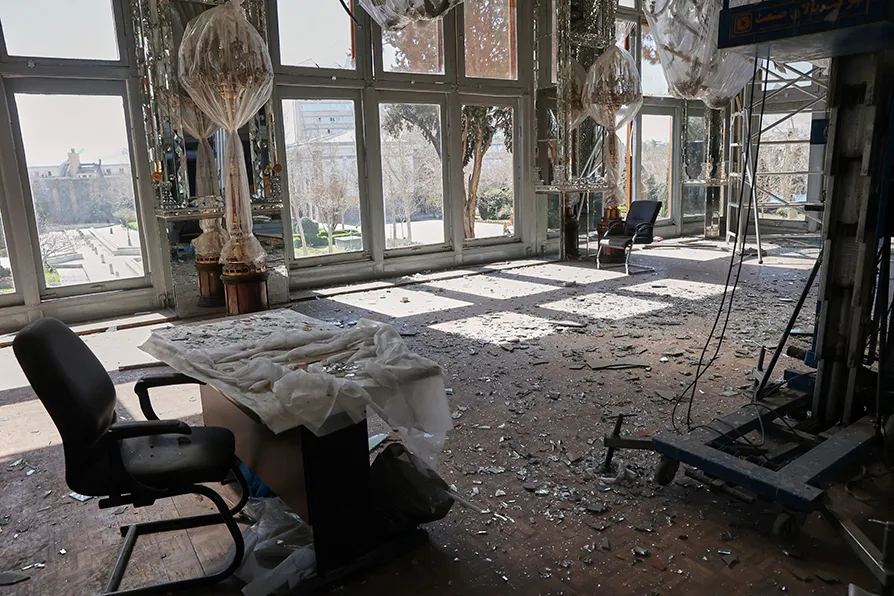
KATAYOUN SHAHANDEH surveys Iran’s cultural heritage and explains what has been damaged and what could be lost
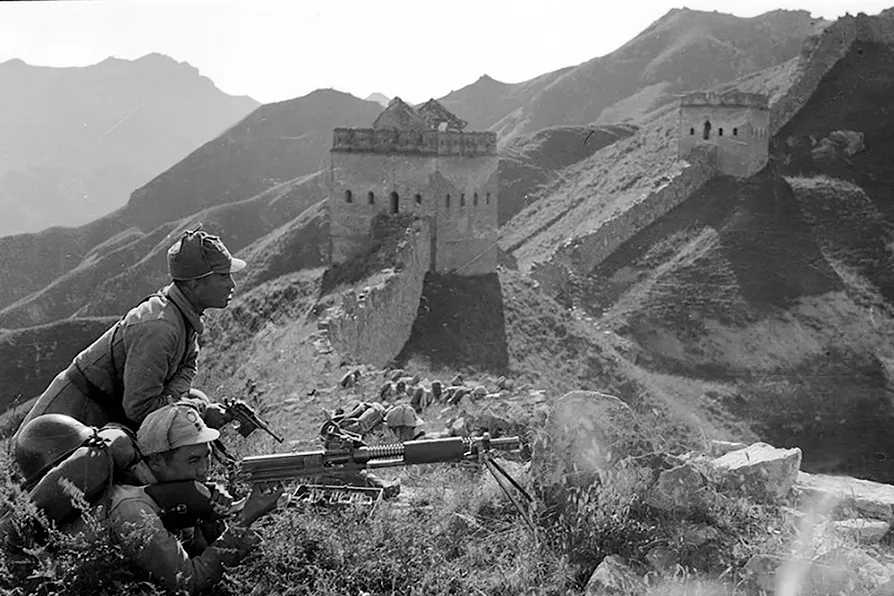
In Part 4 of her look at the Chinese revolution JENNY CLEGG addresses the relationship between the Peasant Movement and the National Movement
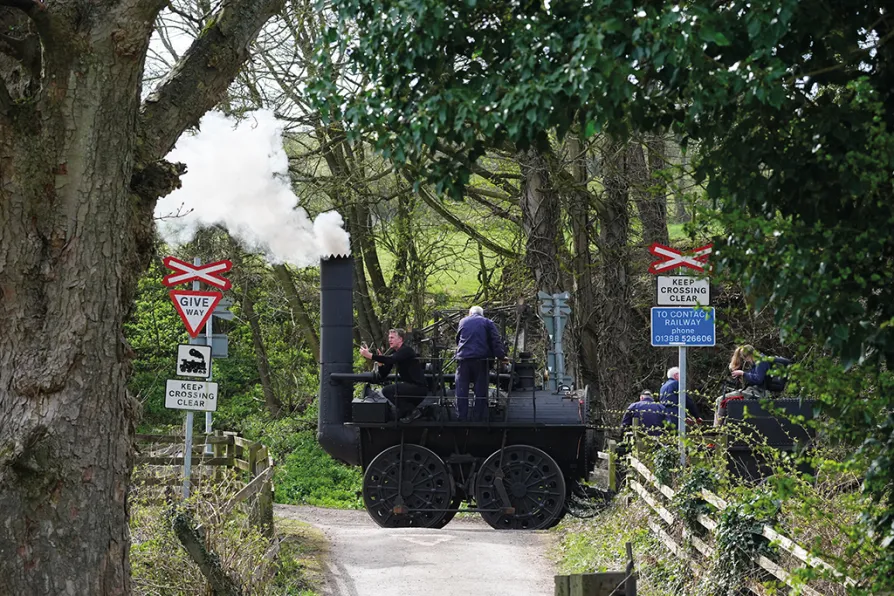
Two-hundred years ago, on September 27 1825, the world’s first passenger railway line was opened between Stockton and Darlington. MICK WHELAN, general secretary of Aslef, the train drivers’ union, reflects on the history – and the future – of Britain’s railway industry