To rescue Kahlo from the clutches of the corporate art market, we need to acknowledge the overt and covert political dimensions of the work, demands GAVIN O’TOOLE


 Latest editorial
Woodston: The Biography of an English Farm
Wise words on agricultural change, from neolithic times to the present day
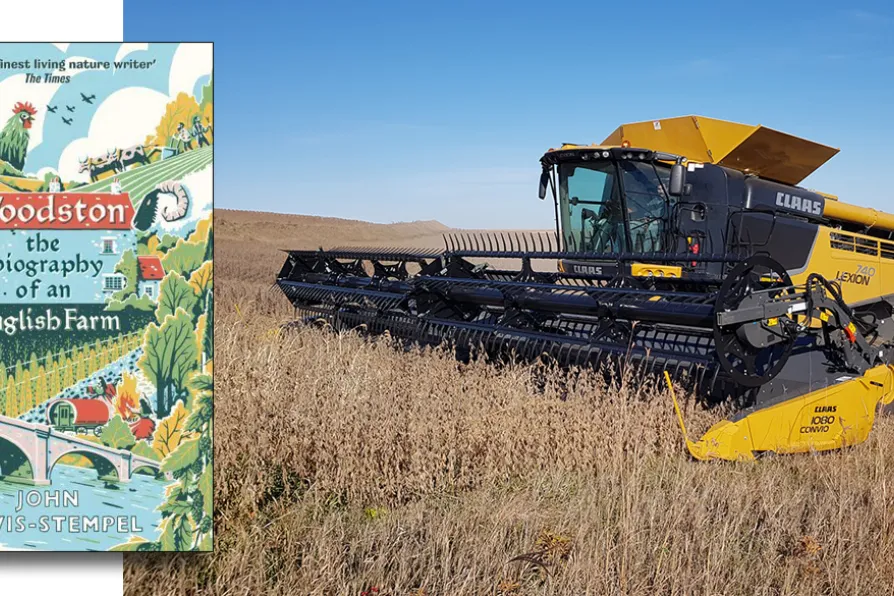 ALIENATED AGRICULTURE: A combine harvester
[IICaYeNnEII/Creative Commons]
ALIENATED AGRICULTURE: A combine harvester
[IICaYeNnEII/Creative Commons]
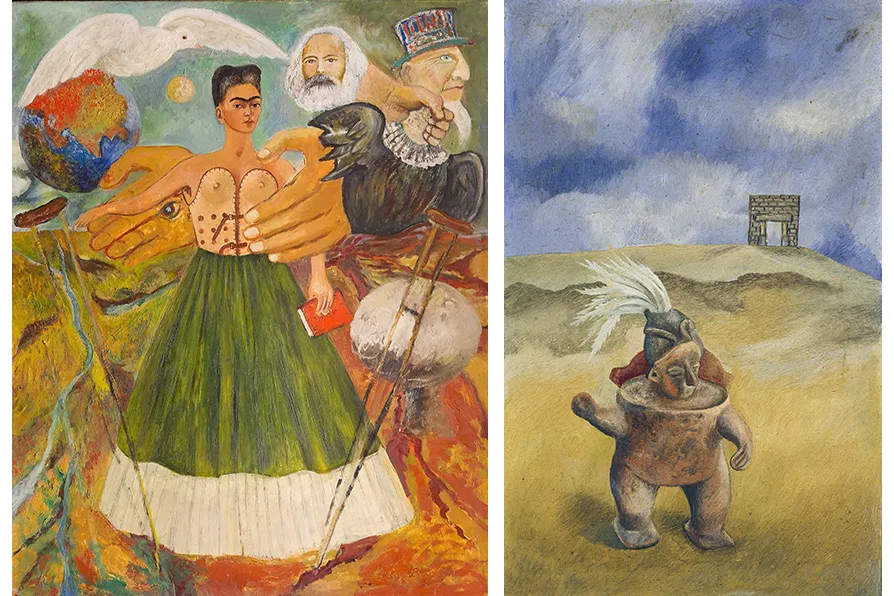
If you can see past the relentless commodification you will be rewarded by enormously powerful work, suggests JENNY MITCHELL
CHRIS SEARLE revels in the one-off collaboration between an American polymath and a British Muslim, and detects the presence of their revolutionary forebear
GORDON PARSONS revels in an ebullient production of Shakespeare’s magical comedy
BRENT CUTLER welcomes a thoughtful analysis of the Erdogan regime, viewed through the evolving history of a neighbourhood in Istanbul
GORDON PARSONS regrets the price, but is dazzled by an outstandingly ambitious study of the way art restoration in particular, and culture in general was weaponised by the Nazis





WOODSTON farm on the Herefordshire, Worcestershire and Shropshire borders is the subject of John Lewis-Stempel’s book and it explores the transformation in farming methods, with each new technological change of use from animal horns, flint, bronze and iron radically altering the way people lived on the land.
The Romans farmed intensively to feed more people but most villages and paths or rights of way across the country date back to the Anglo-Saxon strip-farming period, while during Tudor and Stuart times much sheep farming held sway. The enclosure of land in the 18th and 19th centuries drove people away to the cities and the industrial revolution.
Much of the most destructive activity in terms of biodiversity has occurred since WWII. The rush to grow more during the war led to the ripping-up of hedgerows and the earth was drenched with pesticides and herbicides, resulting in the loss of so many birds, mammals and plants.

Similar stories
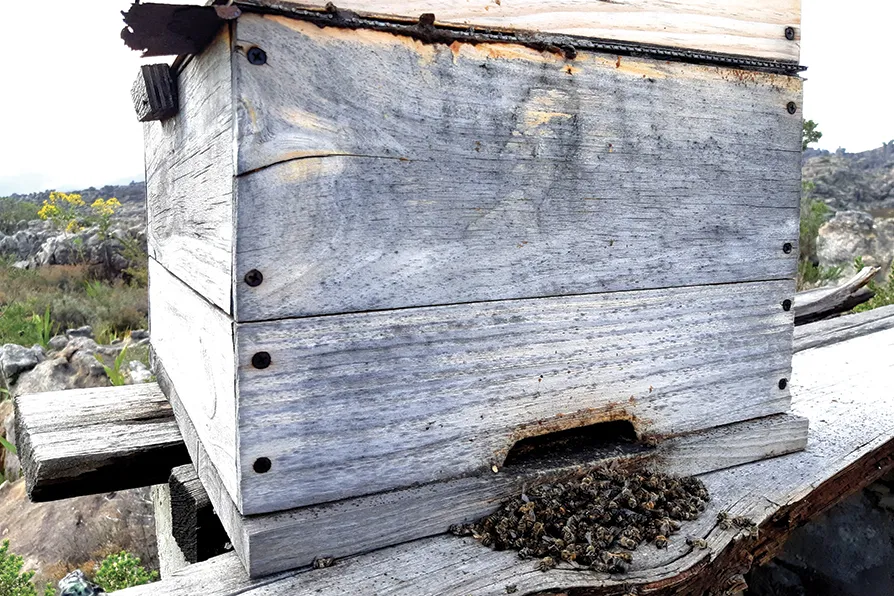
The West’s dangerous pesticide dumping in Africa is threatening biodiversity, population health and food sovereignty, argues ROGER McKENZIE
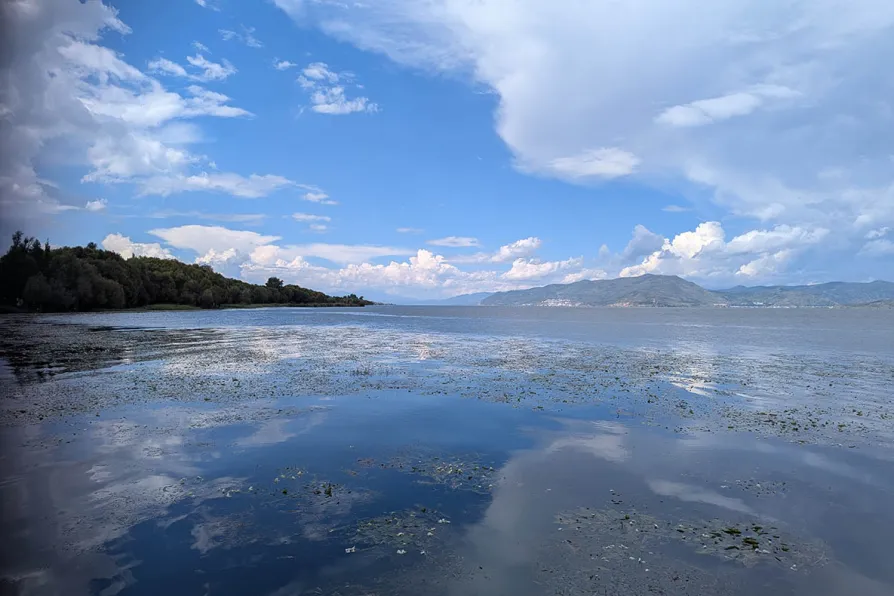
One of the major criticisms of China’s breakneck development in recent decades has been the impact on nature — returning after 15 years away, BEN CHACKO assessed whether the government’s recent turn to environmentalism has yielded results
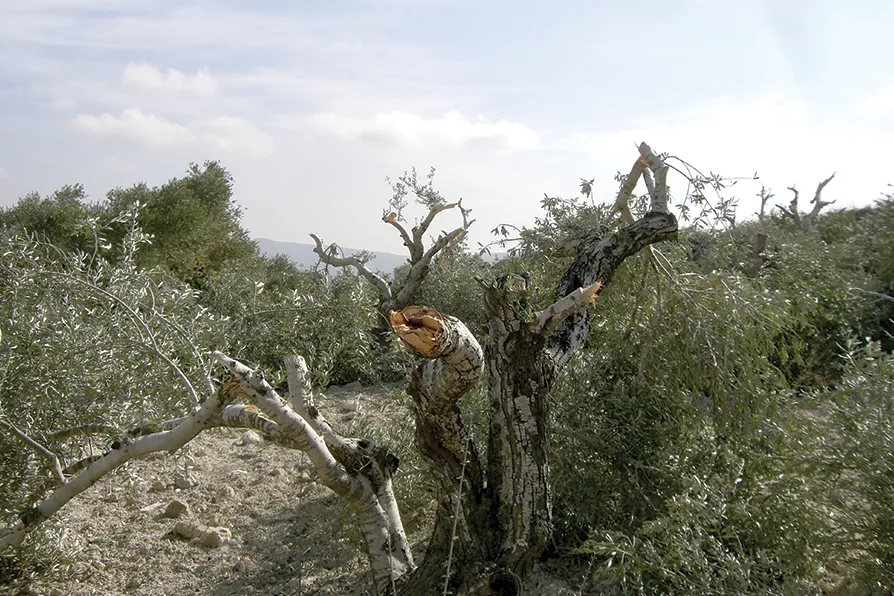
Olive oil remains a vital foundation of food, agriculture and society, storing power in the bonds of solidarity. Though Palestinians are under attack, they continue to press forward write ROX MIDDLETON, LIAM SHAW and MIRIAM GAUNTLETT
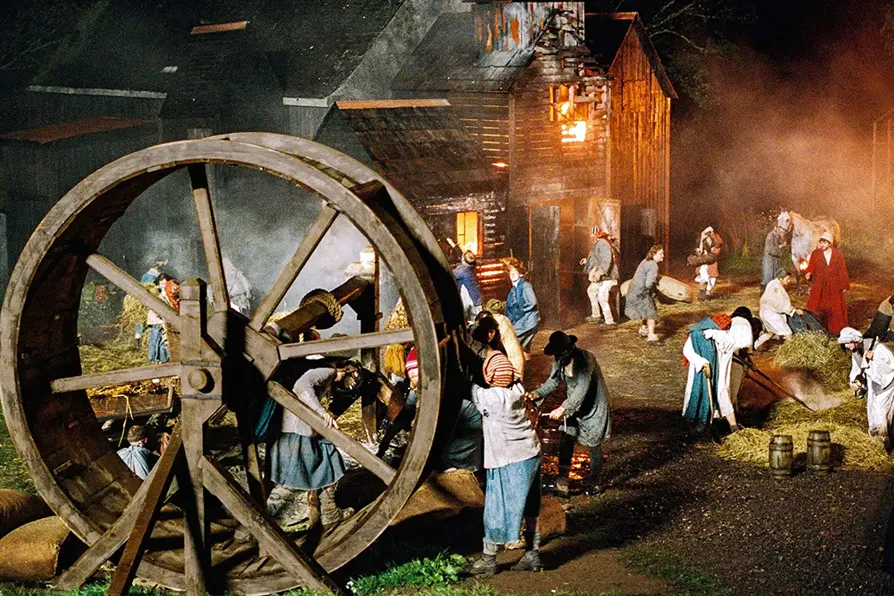
MARIA DUARTE recommends the ambitious portrait of an agricultural community confronted by the trauma of enclosure