To rescue Kahlo from the clutches of the corporate art market, we need to acknowledge the overt and covert political dimensions of the work, demands GAVIN O’TOOLE


 Latest editorial
A woman for all seasons
A wondrous celebration of Joan Eardley - the great painter who transformed the languages of the past, and who dared incoherence to advance the language of the present, writes ANGUS REID
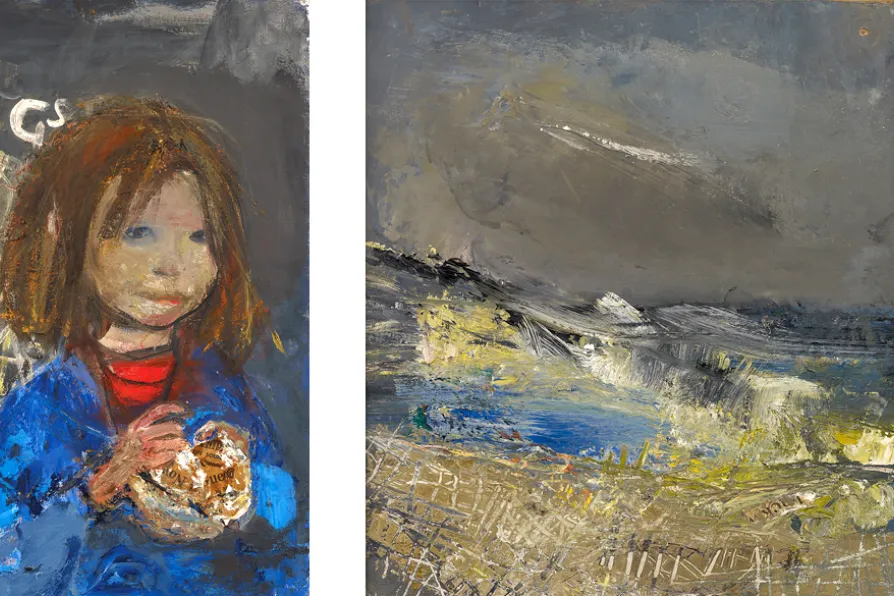 (L to R) Girl with a Poke of Chips, 1960 – 63; Seascape, c1961
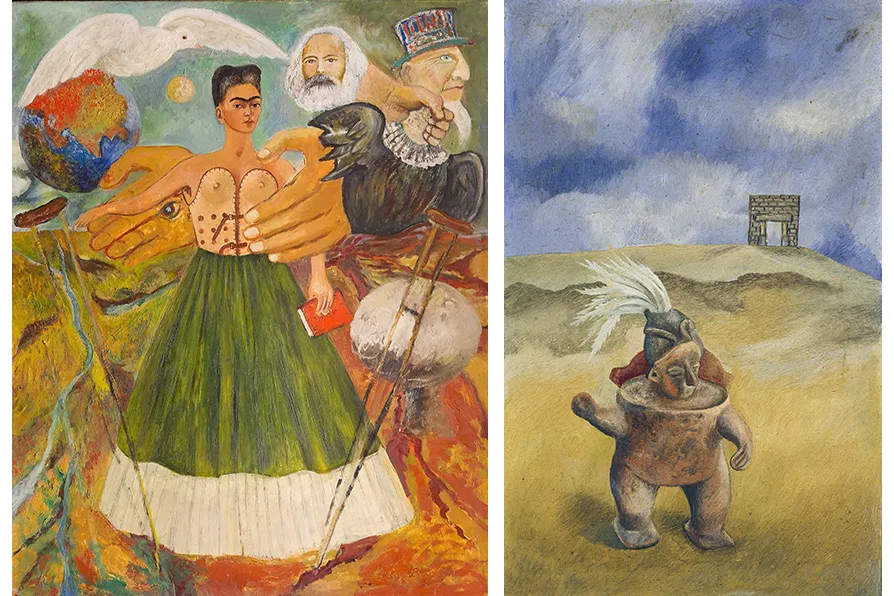
If you can see past the relentless commodification you will be rewarded by enormously powerful work, suggests JENNY MITCHELL
CHRIS SEARLE revels in the one-off collaboration between an American polymath and a British Muslim, and detects the presence of their revolutionary forebear
GORDON PARSONS revels in an ebullient production of Shakespeare’s magical comedy
BRENT CUTLER welcomes a thoughtful analysis of the Erdogan regime, viewed through the evolving history of a neighbourhood in Istanbul
GORDON PARSONS regrets the price, but is dazzled by an outstandingly ambitious study of the way art restoration in particular, and culture in general was weaponised by the Nazis





Joan Eardley Centenary,
★★★★★
The Scottish Gallery, Edinburgh
ALTHOUGH she died at the age of 42 in 1963, Joan Eardley is a central figure in British 20th-century art, whose work in the 1950s and ’60s reinvents the language of social realism to make a vision of the urban poor, and also puts up a uniquely British and figurative response to the Abstract Expressionist school of America. It is a single-minded achievement that defines the best of post-war British art.
The Scottish Gallery in Edinburgh has been showing her work since 1957, and gave her a first solo show in 1961. This celebration of the centenary of her birth is the fruit of remarkable loyalty and careful curatorship. Although it limits itself to small-scale works, it displays hitherto unknown paintings and drawings that mark the key movements of Eardley’s career. If anything, the show profits from a reduced scale to render the overall shape of her achievement even more accessible.
From the perspective of another millennium Eardley emerges as a pivotal figure, who reaches back into the 19th-century tradition of realism, and also forward towards a new vision of landscape. As a creative woman in post-war Britain she resembles her exact contemporary Sylvia Plath for the unique lyricism, empathy and daring formalism of her best work.

Similar stories
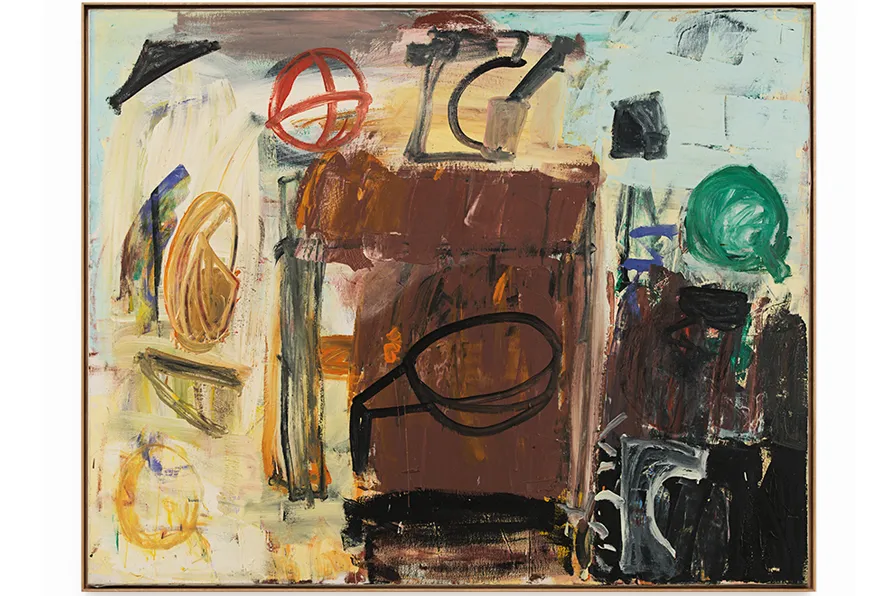
MIRANDA RICHMOND relishes the gloriously liberated art of Roy Oxlade, and traces his method back to the thinking of David Bomberg, his acknowledged teacher
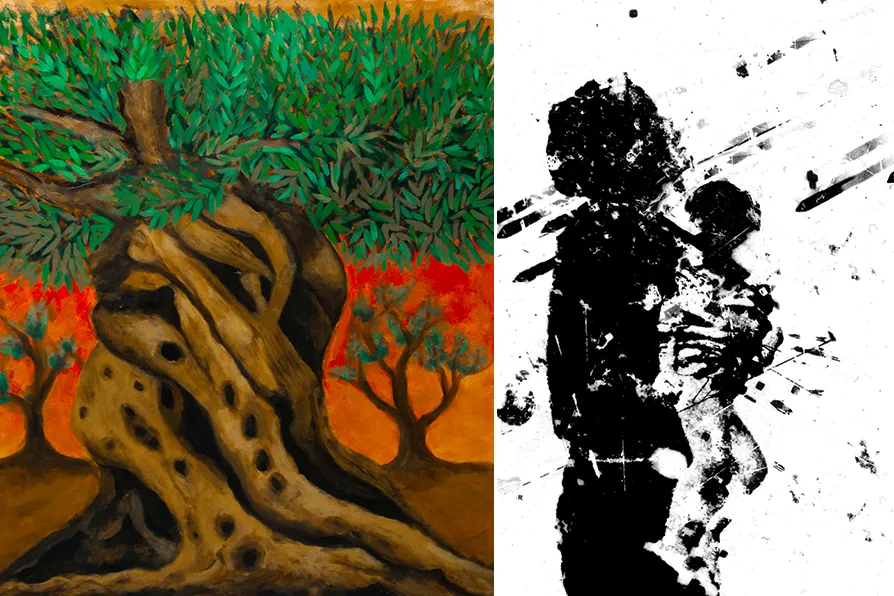
JAN WOOLF invigilates images that meditate on Palestine, and the people who witness them
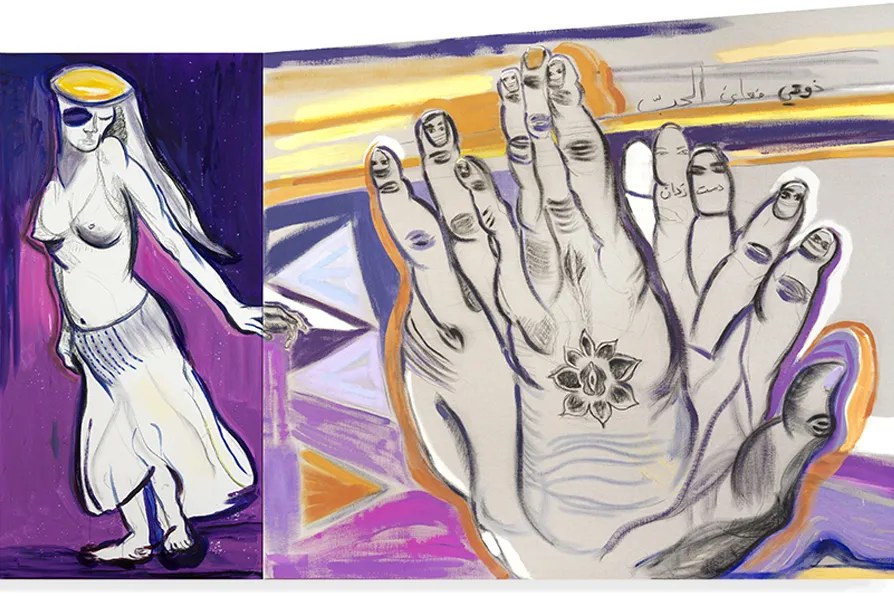
SIMON PARSONS applauds an artist who rescues and rehumanises stories of women, the victims of violence, from a feminist perspective
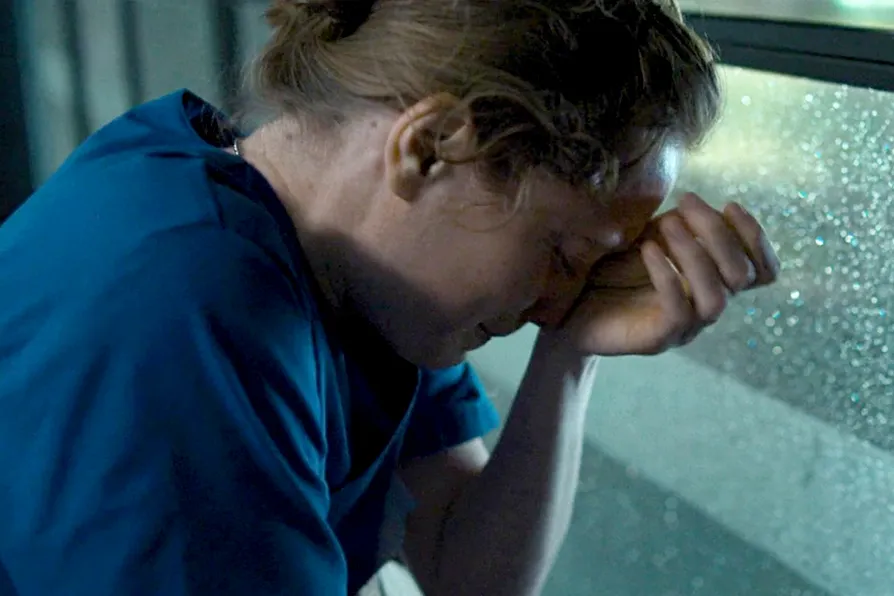
ANGUS REID is bowled over by a cinematic masterpiece that examines the labour of nursing in forensic, dramatic detail