To rescue Kahlo from the clutches of the corporate art market, we need to acknowledge the overt and covert political dimensions of the work, demands GAVIN O’TOOLE


 Latest editorial
Lest we forget
Massive emotional tribute to anti-Nazi heroes
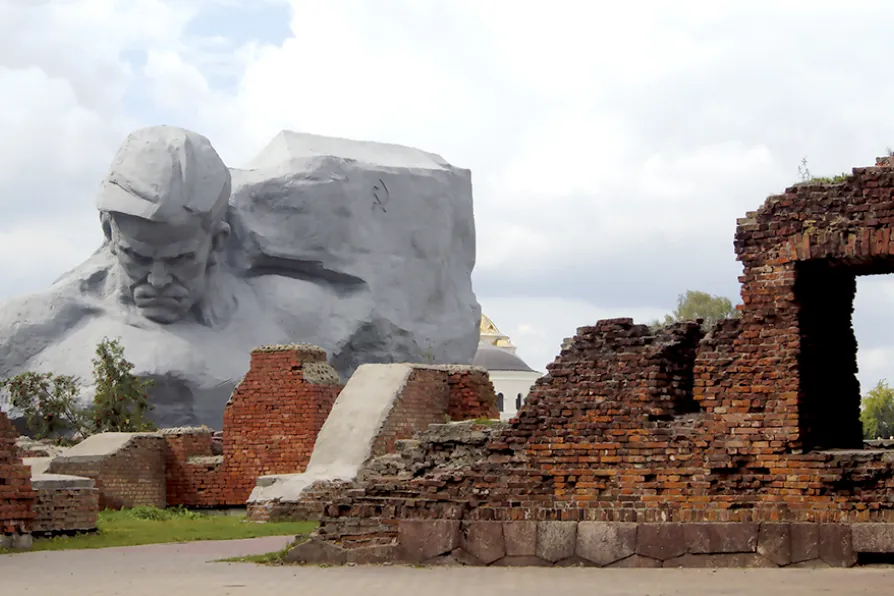 Brest Fortress Memorial
[Lena Armstrong/Creative Commons]
Brest Fortress Memorial
[Lena Armstrong/Creative Commons]
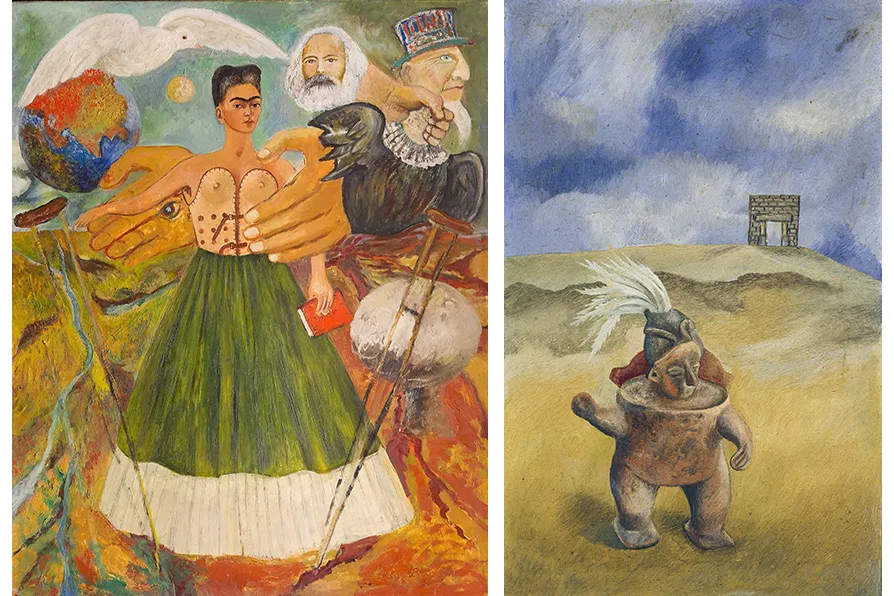
If you can see past the relentless commodification you will be rewarded by enormously powerful work, suggests JENNY MITCHELL
CHRIS SEARLE revels in the one-off collaboration between an American polymath and a British Muslim, and detects the presence of their revolutionary forebear
GORDON PARSONS revels in an ebullient production of Shakespeare’s magical comedy
BRENT CUTLER welcomes a thoughtful analysis of the Erdogan regime, viewed through the evolving history of a neighbourhood in Istanbul
GORDON PARSONS regrets the price, but is dazzled by an outstandingly ambitious study of the way art restoration in particular, and culture in general was weaponised by the Nazis





Brest Fortress Memorial, Belarus
ON SEPTEMBER 18, 1971, just over 30 years after the momentous if doomed defence of the Brest fortress by the Soviet Red Army against Nazi invaders, a memorial to its defenders was unveiled by the 19th-century star-shaped citadel that sits astride the Mukhavets River and faces the River Bug.
On the present boundary between Belarus and Poland, within the latter’s borders before WWII it served as one of its places of internment for socialist activists.
Two weeks after Nazi Germany’s treacherous attack on Poland on September 1, 1939, Joseph Stalin ordered the Red Army to advance west and secure territories up to the River Bug, including the Brest fortress. Permitted under the Ribbentrop-Molotov pact of August 1939, it was a move designed to keep German armies at arm’s length.

Similar stories
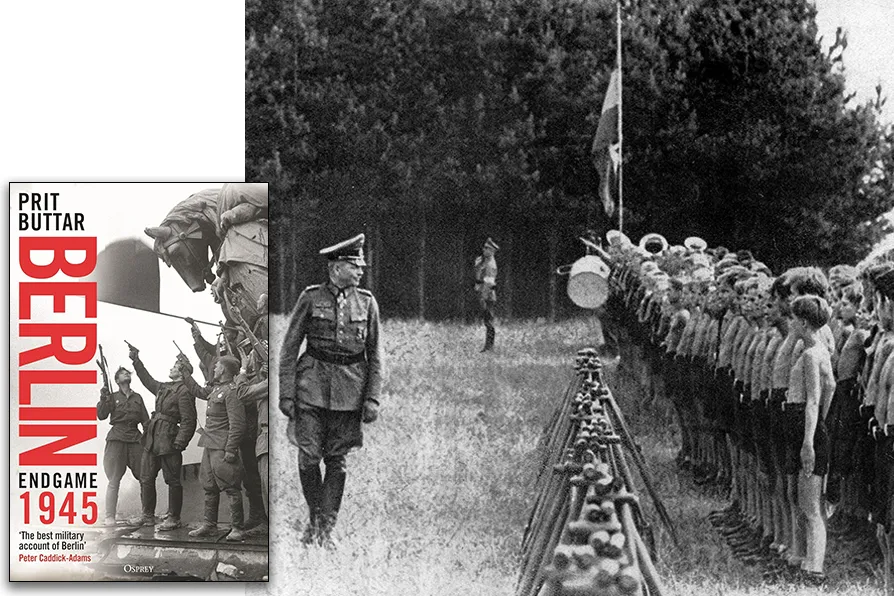
WILL PODMORE admires an account of the liberation of Berlin that overthrows the conventional US army-inspired account
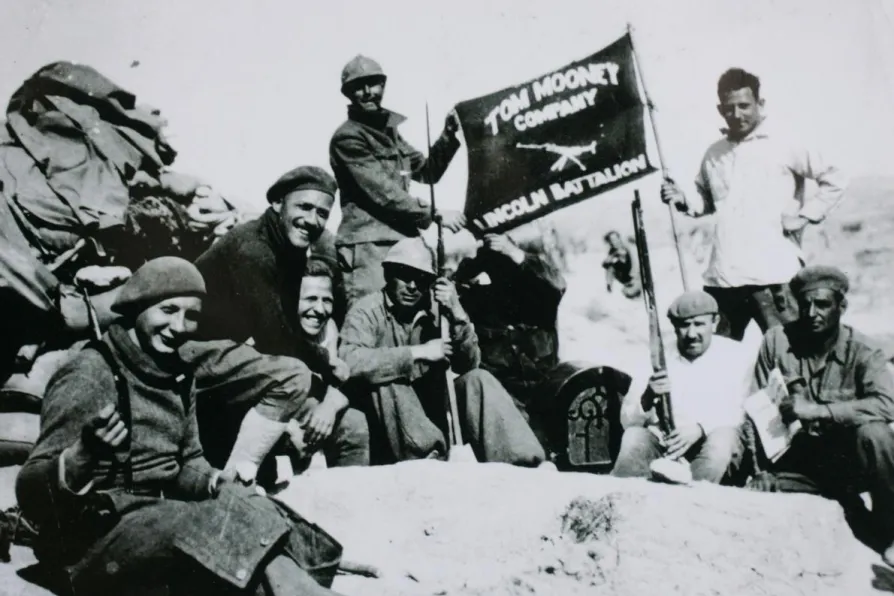
CJ ATKINS commemorates one of the most dramatic moments in working-class history
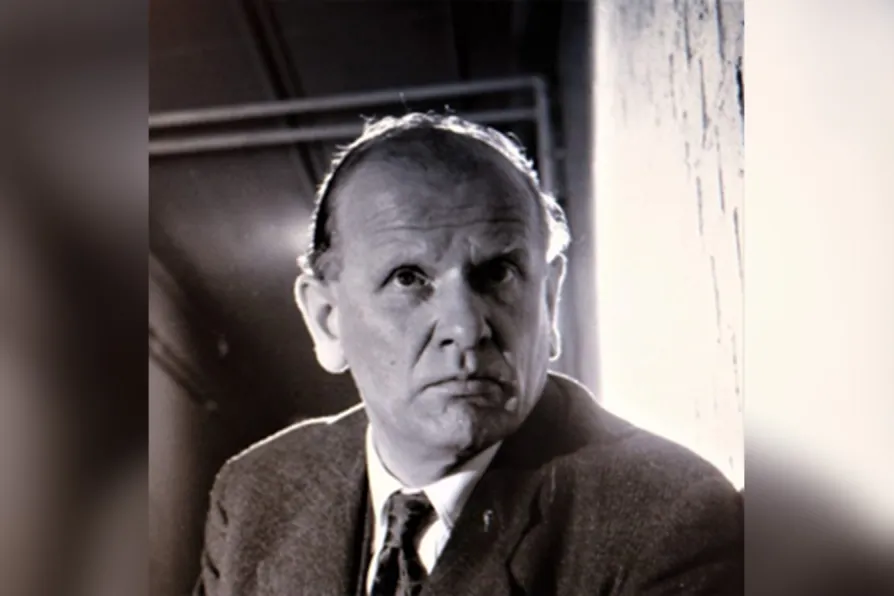
TONY FOX invites readers to come and hear the story of the remarkable Liverpudlian International Brigader Alexander Foote
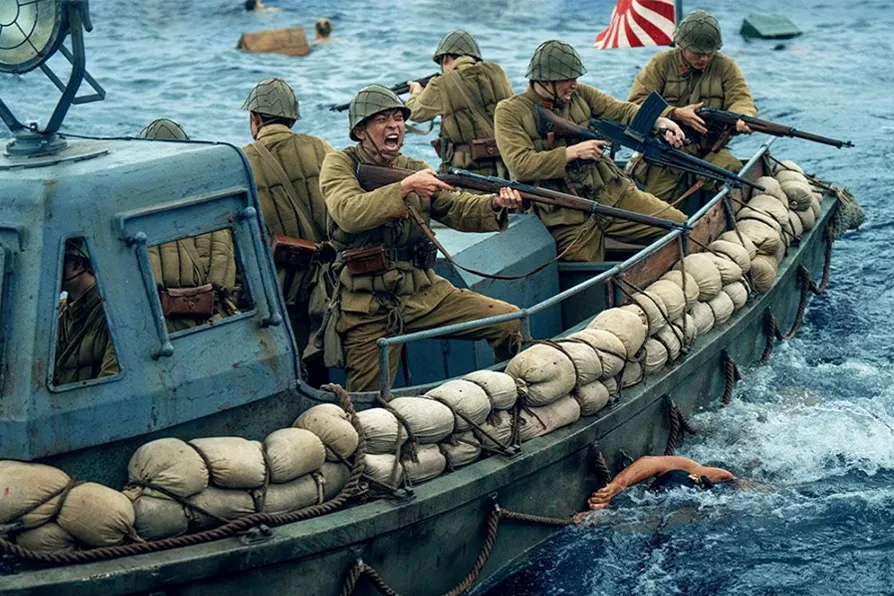
Despite an over-sentimental narrative, MICHAL BONCZA applauds an ambitious drama about the Chinese rescue of British POWs in WWII