To rescue Kahlo from the clutches of the corporate art market, we need to acknowledge the overt and covert political dimensions of the work, demands GAVIN O’TOOLE


 Latest editorial
Women For Peace: Banners from Greenham Common
Images of life-affirming creativity from iconic women's peace camp
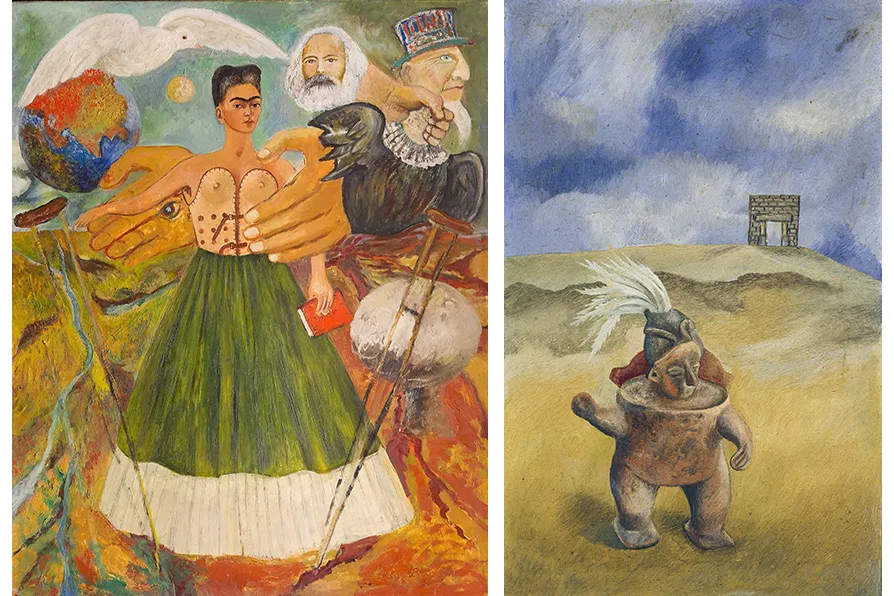
If you can see past the relentless commodification you will be rewarded by enormously powerful work, suggests JENNY MITCHELL
CHRIS SEARLE revels in the one-off collaboration between an American polymath and a British Muslim, and detects the presence of their revolutionary forebear
GORDON PARSONS revels in an ebullient production of Shakespeare’s magical comedy
BRENT CUTLER welcomes a thoughtful analysis of the Erdogan regime, viewed through the evolving history of a neighbourhood in Istanbul
GORDON PARSONS regrets the price, but is dazzled by an outstandingly ambitious study of the way art restoration in particular, and culture in general was weaponised by the Nazis





FORTY years ago this month, a group of women walked from Cardiff to RAF Greenham Common to protest at the stationing of US nuclear cruise missiles there. They were pointed at the Soviet Union.
The women, who didn’t intend to stay, did so and established a peace camp, with their invigorating presence drawing attention to the potential death soon to be lurking in the silos. Thus began one of the most famous symbolic actions of the 20th century.
Why would women not be for peace? We need it for development, nurture, friendship and love — a condition for a fulfilled life on the planet. But there were some like Margaret Thatcher who were not, who allowed the weapons in as a very hot element in the Cold War.

Similar stories
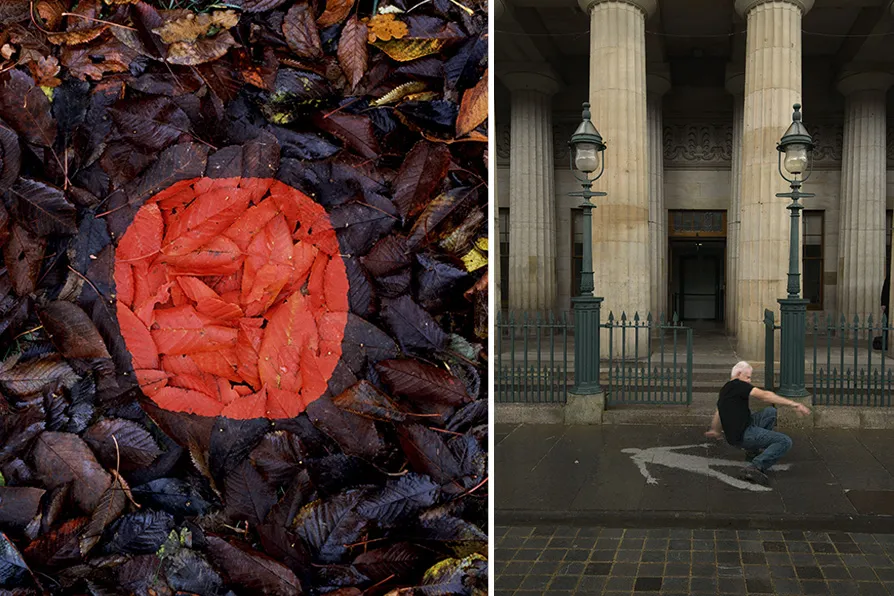
MIKE COWLEY welcomes half a century of remarkable work, that begins before the Greens and invites a connection to — and not a division from — nature
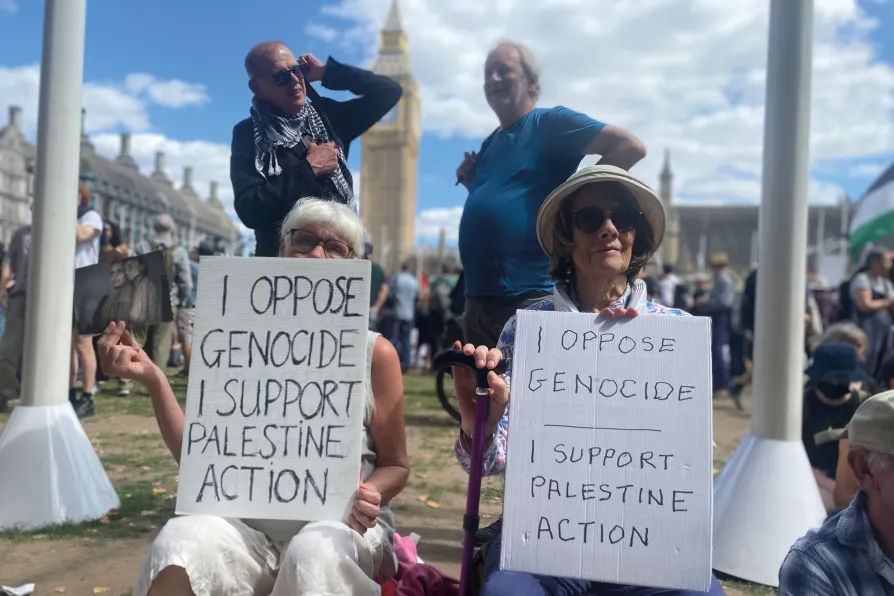
At 80, Elizabeth Morley wished she could join Palestine Action’s ladder-climbing but found her perfect protest at Defend Our Juries, proving Britain’s elders won’t be silenced despite government crackdowns, writes LINDA PENTZ GUNTER
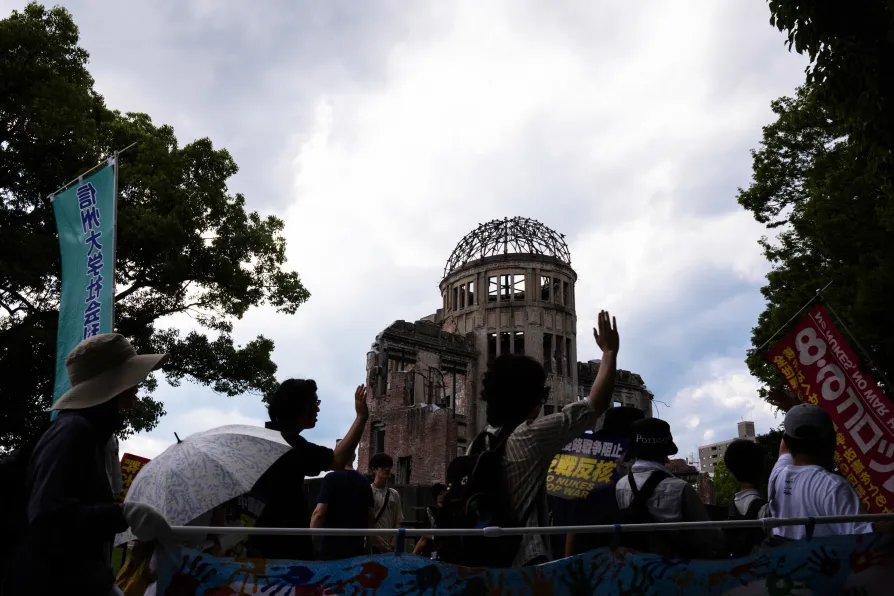
For 80 years, survivors of the Hiroshima and Nagasaki atomic bombings have pleaded “never again,” for anyone. But are we listening, asks Linda Pentz Gunter

JOHN GREEN is stirred by an ambitious art project that explores solidarity and the shared memory of occupation