All the evidence shows voters want Labour to shift to the left — but initial signs from Andy Burnham are worrying on that front, cautions DIANE ABBOTT


 Latest editorial
The return of anti-monopoly politics?
Opposition to the mega-companies that dominate industry cannot be left to the political centre — the labour movement could build a a powerful coalition around the cause. But beware, warns ZOLTAN ZIGEDY, this is still not anti-capitalism

ANDY McDONALD MP says Labour must show it is capable of delivering real improvements in people’s lives — bold action is required
ANGUS REID and ANDREW JOHNSTONE report on an initiative that we must take this summer
ALLISON FEWTRELL on what Plaid Cymru's historic election victory means for the communities being failed by Wales’s housing crisis, and four things the new government can do right now
France Insoumise MP JEROME LEGAVRE speaks to Christophe Domec on building the Europe-wide peace movement that came together in the International Conference Against War last weekend
At last weekend’s International Conference Against War, LINDA PENTZ GUNTER talks to the Palestinian physician and politician about the struggles ahead to achieve a truly free Palestine




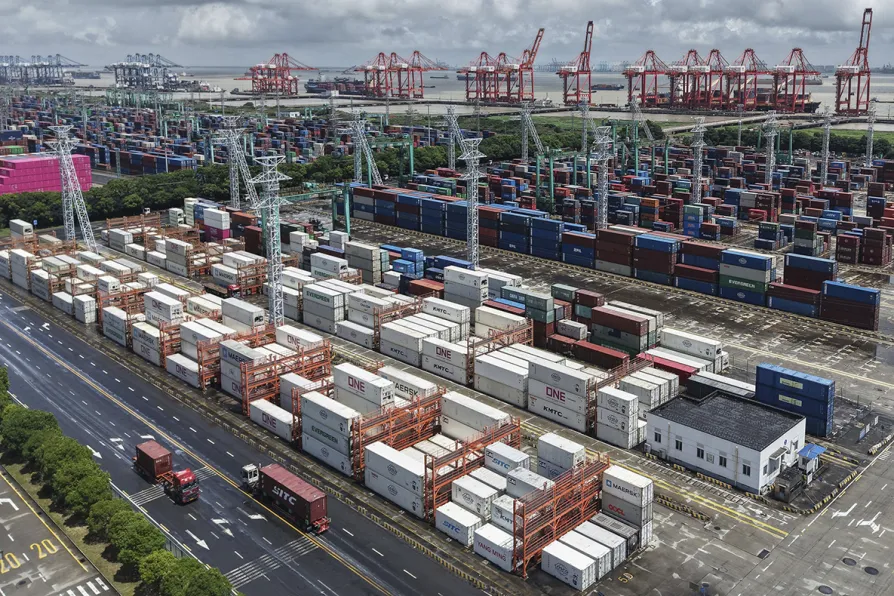
ECONOMIC MONOPOLIES — enterprises or groups of enterprises that overwhelmingly reign over a specific economic sector — have been the target of reformers and revolutionaries since their widespread notice in the last quarter of the 19th century.
Many keen observers in the most advanced capitalist countries of the late 1800s perceived the development of a tier of capitalist firms in various industries that rose to dominate those industries. Through rapid expansion, ruthless competition, absorption and consolidation, a few capitalists or corporations acquired a majority share of markets and the lion’s share of profits.
A classic US example of the process of monopolisation was the creation of the Rockefeller oil monopoly, Standard Oil. Like an uncontrollable wildfire, Standard Oil devoured competitors, both horizontally — in oil extraction — and vertically — in the shipping, refining and selling of the final product. Eventually, Standard Oil was on the verge of completely controlling the petroleum industry in the US.
Similar stories
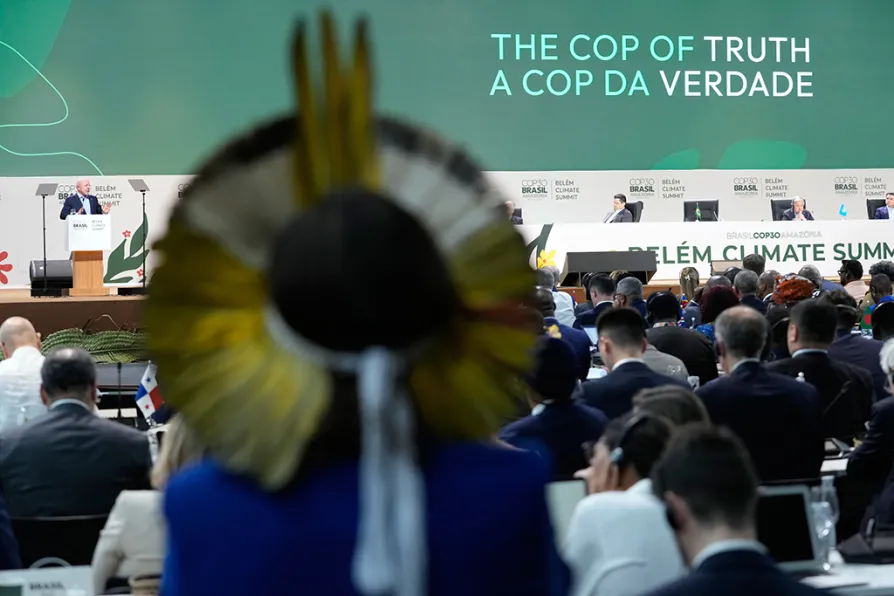
From summit to summit, imperialist companies and governments cut, delay or water down their commitments, warn the Communist Parties of Britain, France, Portugal and Spain and the Workers Party of Belgium in a joint statement on Cop30

Starmer sabotaged Labour with his second referendum campaign, mobilising a liberal backlash that sincerely felt progressive ideals were at stake — but the EU was then and is now an entity Britain should have nothing to do with, explains NICK WRIGHT
In the run-up to the Communist Party congress in November ROB GRIFFITHS outlines a few ideas regarding its participation in the elections of May 2026