All the evidence shows voters want Labour to shift to the left — but initial signs from Andy Burnham are worrying on that front, cautions DIANE ABBOTT


 Latest editorial
Protecting diplomatic ties in the face of regional security issues
BILL KIDD MSP reflects on the backhanded and secretive Aukus agreement and what it means for Scottish hopes to get rid of nuclear weapons for good
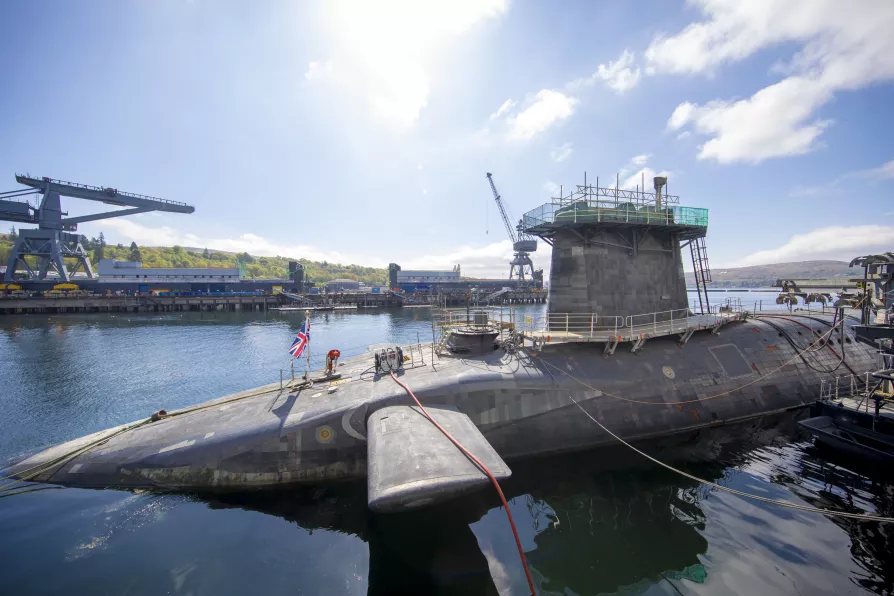 HMS Vigilant at HM Naval Base Clyde, Faslane, which carries Britain’s Trident nukes
ANDY McDONALD MP says Labour must show it is capable of delivering real improvements in people’s lives — bold action is required
ANGUS REID and ANDREW JOHNSTONE report on an initiative that we must take this summer
ALLISON FEWTRELL on what Plaid Cymru's historic election victory means for the communities being failed by Wales’s housing crisis, and four things the new government can do right now
France Insoumise MP JEROME LEGAVRE speaks to Christophe Domec on building the Europe-wide peace movement that came together in the International Conference Against War last weekend
At last weekend’s International Conference Against War, LINDA PENTZ GUNTER talks to the Palestinian physician and politician about the struggles ahead to achieve a truly free Palestine





THE Aukus international security agreement was signed by the Australian, British and US governments last month.
This agreement came in response to international security concerns over what are seen as aggressive Chinese policies.
The agreement was centred around a deal for the US and Britain to share their joint capabilities for building nuclear-powered (but not nuclear-armed) submarine vessels with Australia.

Similar stories
Expanding Britain’s nuclear capability increases the risk of nuclear confrontation. It does not keep us safe – it makes us a target, argues CAROL TURNER

From 35,000 troops in Talisman Sabre war games to HMS Spey provocations in the Taiwan Strait, Labour continues Tory militarisation — all while claiming to uphold ‘one China’ diplomatic agreements from 1972, reports KENNY COYLE
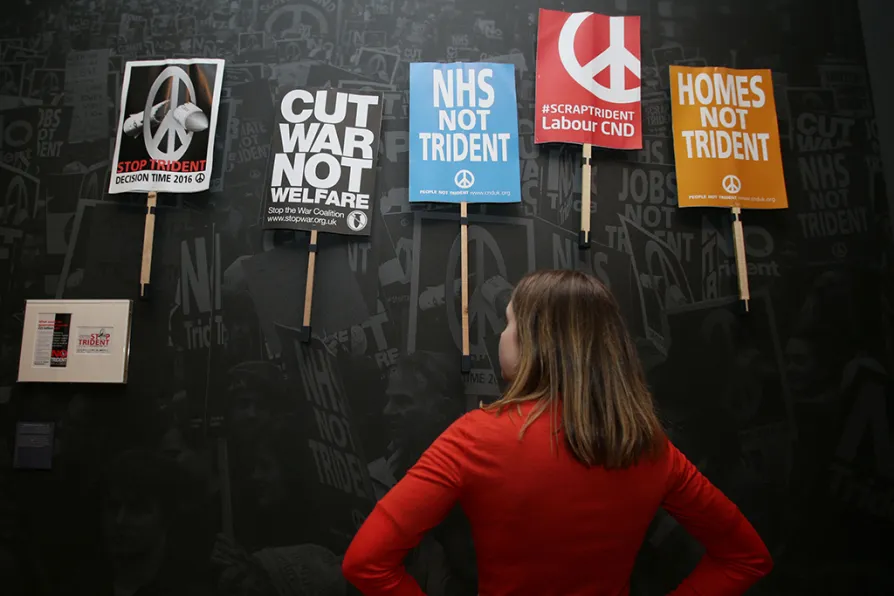
BILL KIDD MSP says increasing Britain’s nuclear arsenal at this time is dangerous and expensive folly