All the evidence shows voters want Labour to shift to the left — but initial signs from Andy Burnham are worrying on that front, cautions DIANE ABBOTT


 Latest editorial
Blood and Ruins: how imperial jealousy fuelled WWII
An authoritative new work by Richard Overy argues that the war was fuelled by upstart Axis powers' desire for their own empires and the Allies wanting to defend their established colonial regimes. Correct, says JOHN ELLISON — but there are some other mistakes
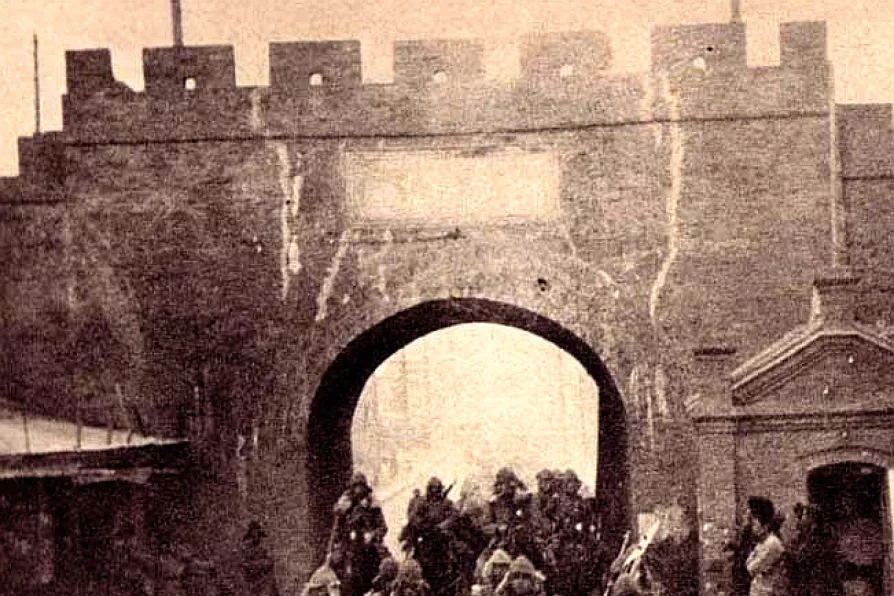 Japanese troops invade China, 1931, leaving behind a puppet state
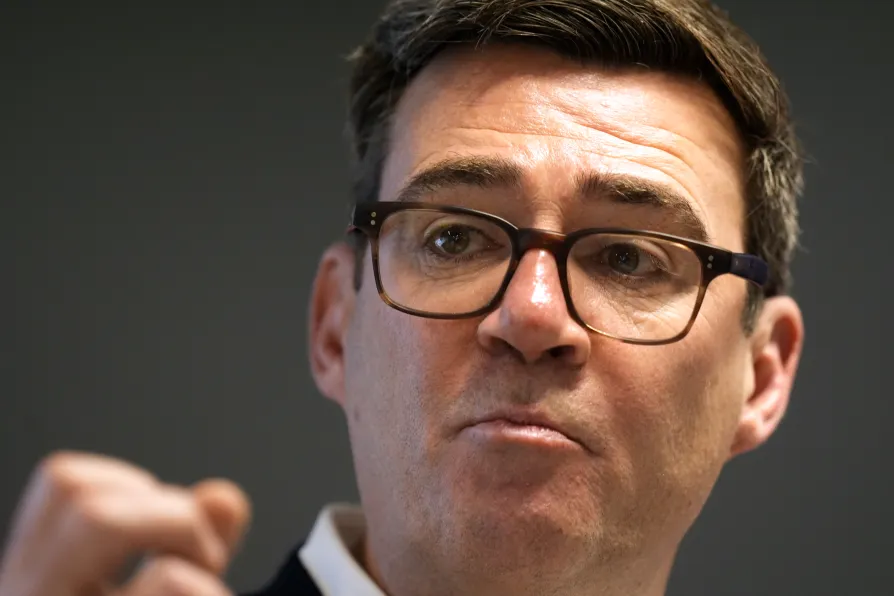
ANDY McDONALD MP says Labour must show it is capable of delivering real improvements in people’s lives — bold action is required
ANGUS REID and ANDREW JOHNSTONE report on an initiative that we must take this summer
ALLISON FEWTRELL on what Plaid Cymru's historic election victory means for the communities being failed by Wales’s housing crisis, and four things the new government can do right now
France Insoumise MP JEROME LEGAVRE speaks to Christophe Domec on building the Europe-wide peace movement that came together in the International Conference Against War last weekend
At last weekend’s International Conference Against War, LINDA PENTZ GUNTER talks to the Palestinian physician and politician about the struggles ahead to achieve a truly free Palestine





THE text of Richard Overy’s weighty new history of World War II runs close to 900 pages. Follow-up footnote source references add another 75 pages or so. Packed with facts and scholarly analysis, reinforcing his earlier works such as Russia’s War, its insights, clarity and objectivity are formidable.
Most of the first half is given over to the story of the war. Overy views the war, as it advances, from the standpoint of the rulers of the chief countries involved, building into the account their respective dilemmas, decisions, strategies and the reasons for these.
The rest of the book explores successively how resources were mobilised, military realities and developments, the organisation of economies, the justifications advanced for war, civilian resistance and political change sought, the psychiatric impact, war crimes and atrocities and finally, transition into a post-war world in which the Axis powers had failed in their objectives and in which the US was now the world’s most powerful country.

Similar stories
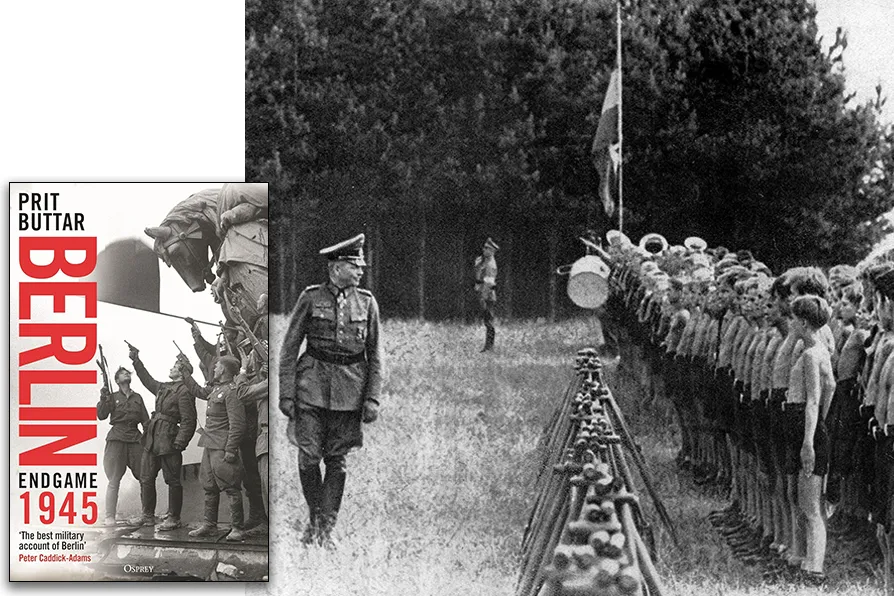
WILL PODMORE admires an account of the liberation of Berlin that overthrows the conventional US army-inspired account
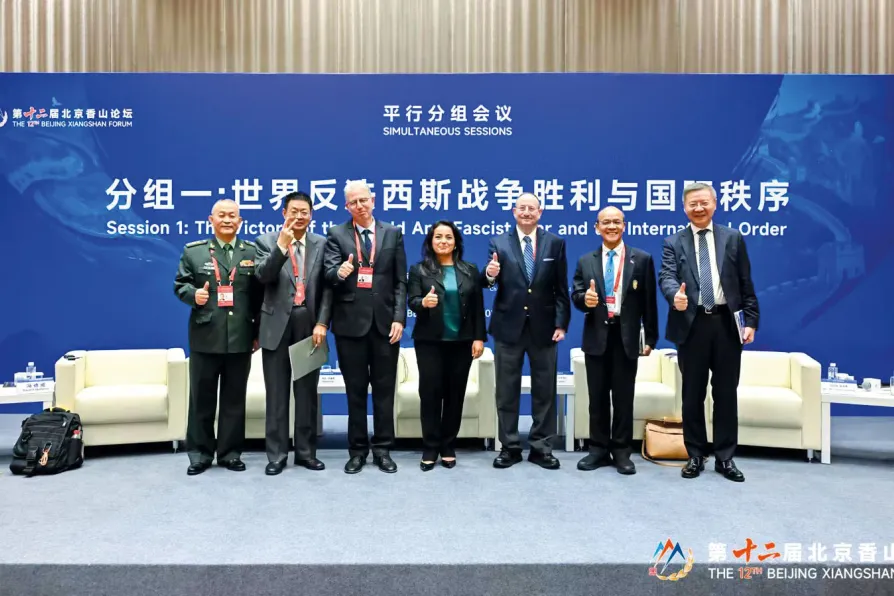
In a speech to the 12th Xiangshan Forum in Beijing, SEVIM DAGDELEN warns of a growing historical revisionism to whitewash Germany and Japan’s role in WWII as part of a return to a cold war strategy from the West — but multipolarity will win out
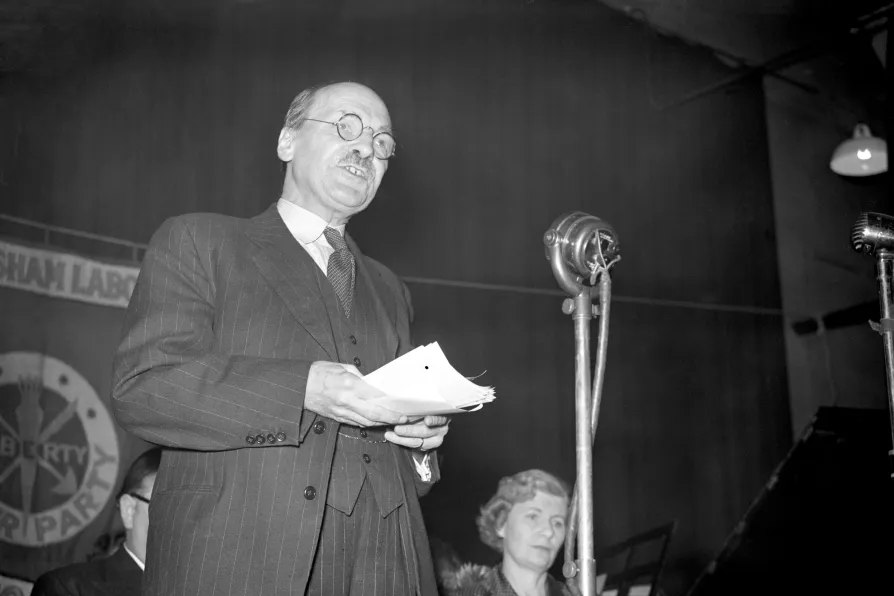
The summer of 1950 saw Labour abandon further nationalisation while escalating Korean War spending from £2.3m to £4.7m, as the government meekly accepted capitalism’s licence and became Washington’s yes-man, writes JOHN ELLISON