All the evidence shows voters want Labour to shift to the left — but initial signs from Andy Burnham are worrying on that front, cautions DIANE ABBOTT


 Latest editorial
How Blair conned the unions
After a conciliatory promise to keep anti-strike laws but strengthen union recognition, Blair backtracked — and many accused him of colluding with big business. New evidence shows that indeed he was, reveals SOLOMON HUGHES



ANDY McDONALD MP says Labour must show it is capable of delivering real improvements in people’s lives — bold action is required
ANGUS REID and ANDREW JOHNSTONE report on an initiative that we must take this summer
ALLISON FEWTRELL on what Plaid Cymru's historic election victory means for the communities being failed by Wales’s housing crisis, and four things the new government can do right now
France Insoumise MP JEROME LEGAVRE speaks to Christophe Domec on building the Europe-wide peace movement that came together in the International Conference Against War last weekend
At last weekend’s International Conference Against War, LINDA PENTZ GUNTER talks to the Palestinian physician and politician about the struggles ahead to achieve a truly free Palestine




NEWLY released papers from the New Labour government elected in 1997 show how Blair sold out the unions on the key issue of recognition, overruling his own ministers to side with the CBI in a move that stopped a key reform dead.
Labour’s 1997 manifesto said “the key elements of the trade union legislation of the 1980s will stay — on ballots, picketing and industrial action,” so Thatcher’s anti-union laws would stay — but he also promised that “people should be free to join or not to join a union. Where they do decide to join and where a majority of the relevant workforce vote in a ballot for the union to represent them, the union should be recognised.”
New Labour offered the unions a compromise: continued restrictions on strikes, but a big prize in legally enforceable union recognition, which would have been a game changer.
Similar stories
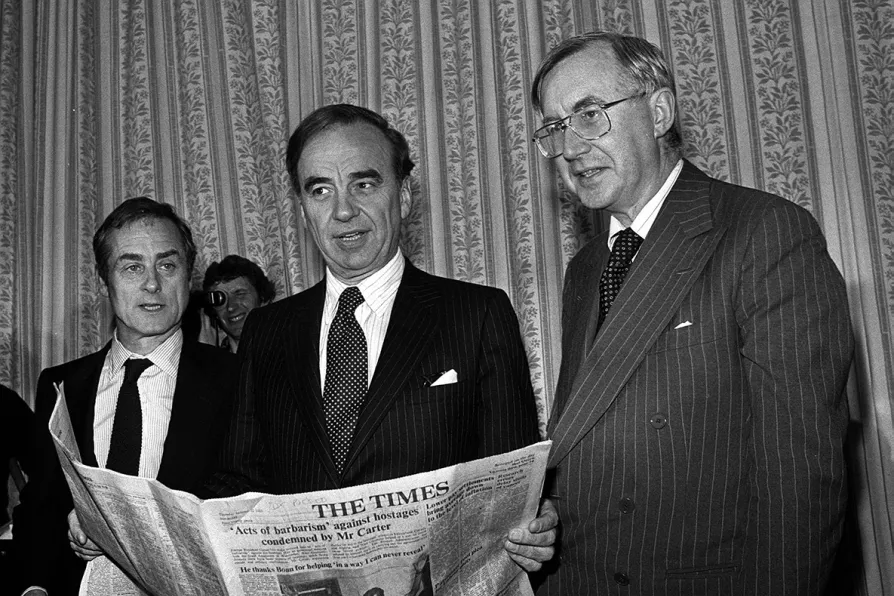
Four decades on, the Wapping dispute stands as both a heroic act of resistance and a decisive moment in the long campaign to break trade union power. Lord JOHN HENDY KC looks back on the events of 1986
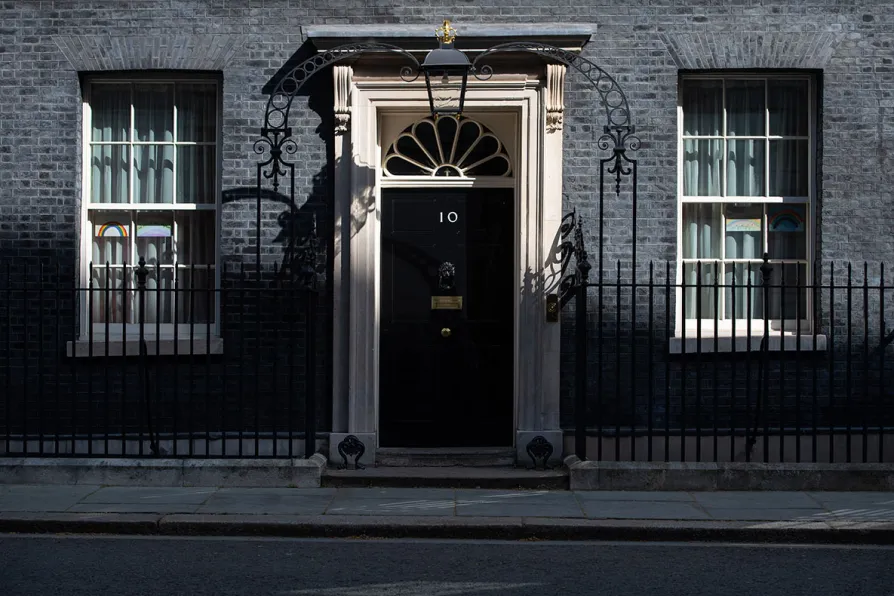
Labour’s long-promised Act has scraped through the Lords. While the law marks a step forward, its lack of collective rights leaves workers short-changed — and sets the stage for a renewed campaign for an Employment Rights Bill #2, argues TONY BURKE
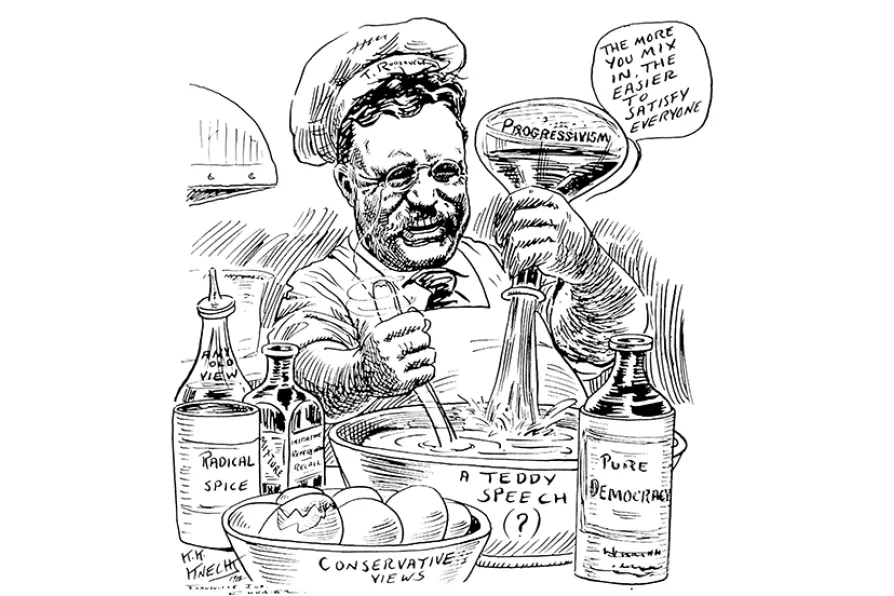
STEPHEN ARNELL casts a critical eye over the sudden rash of challenges to the two-party system on both sides of the Atlantic, noting that today’s performative populist politics sadly lacks Roosevelt’s progressive ‘Bull Moose’ vision of the early 20th century
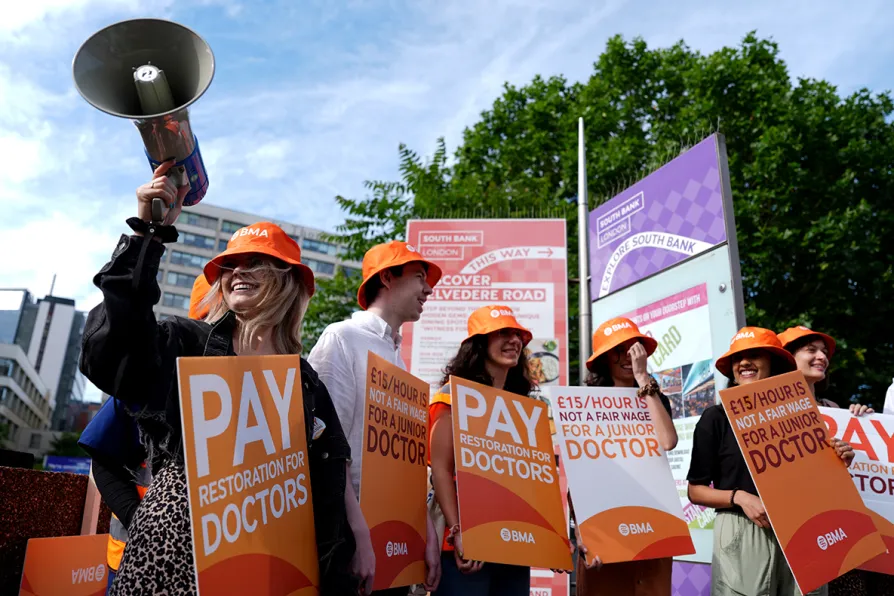
It is only trade union power at work that will materially improve the lot of working people as a class but without sector-wide collective bargaining and a right to take sympathetic strike action, we are hamstrung in the fight to tilt back the balance of power, argues ADRIAN WEIR