All the evidence shows voters want Labour to shift to the left — but initial signs from Andy Burnham are worrying on that front, cautions DIANE ABBOTT


 Latest editorial
Nato's an obstacle to peace in Europe and elsewhere
The US, EU and Nato reneging on promises made to Russia lays at the crux of present tensions, writes JOHN WIGHT
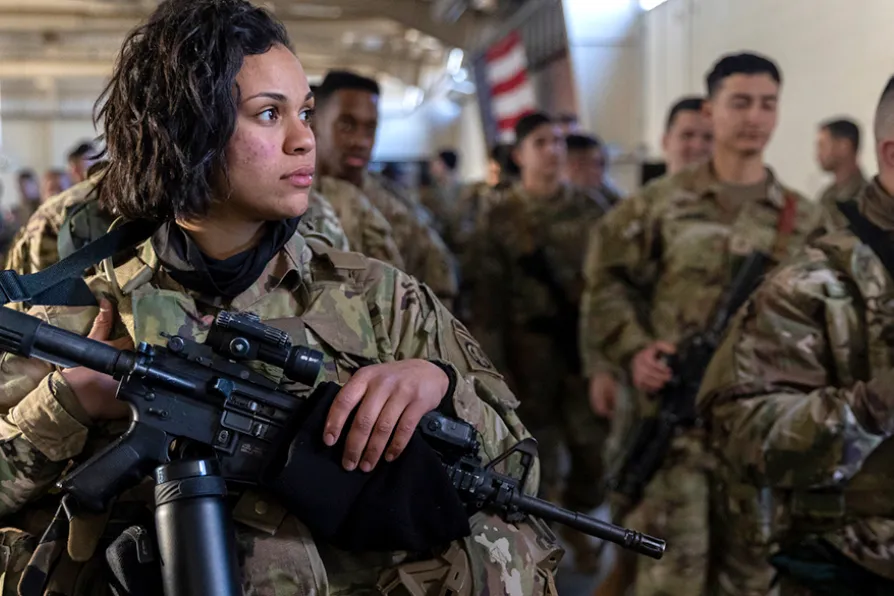 RATCHETING UP TENSIONS: The US 82nd Airborne Division deploys, last Monday, to Poland on a Nato mission. On October 25 1983 it spearheaded a treacherous attack on Grenada and its revolutionary government and on December 20 1989 a similar invasion of Panama
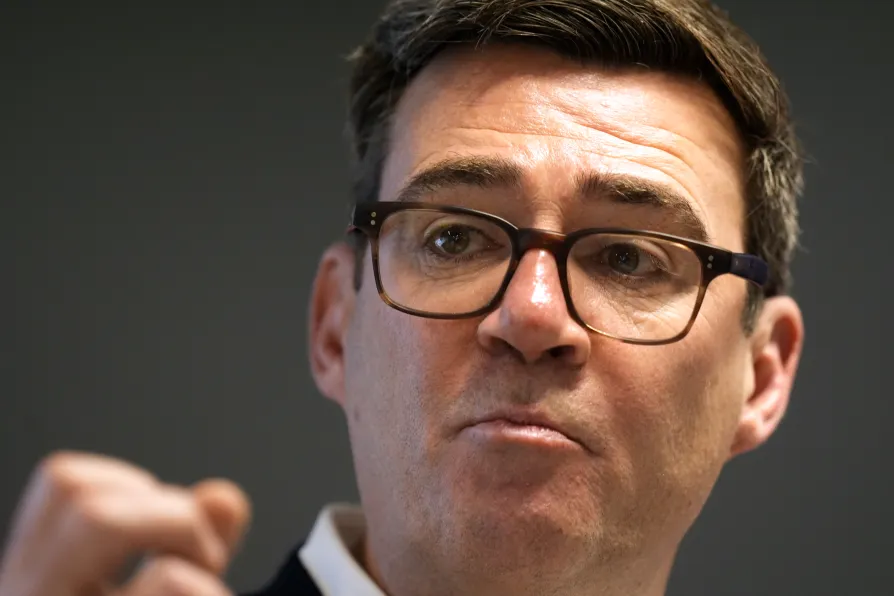
ANDY McDONALD MP says Labour must show it is capable of delivering real improvements in people’s lives — bold action is required
ANGUS REID and ANDREW JOHNSTONE report on an initiative that we must take this summer
ALLISON FEWTRELL on what Plaid Cymru's historic election victory means for the communities being failed by Wales’s housing crisis, and four things the new government can do right now
France Insoumise MP JEROME LEGAVRE speaks to Christophe Domec on building the Europe-wide peace movement that came together in the International Conference Against War last weekend
At last weekend’s International Conference Against War, LINDA PENTZ GUNTER talks to the Palestinian physician and politician about the struggles ahead to achieve a truly free Palestine





THE current and ongoing crisis with regard to Ukraine reminds us that the existence of Nato 73 years on from its creation stands as an insult to the millions who died in WWII so that the UN Charter could be born.
Produced as the foundational document of the United Nations upon its birth in October 1945, enshrined within the Charter’s articles was the solemn pledge that henceforth justice, international law and tolerance would reign in place of brute power, force and intolerance.
Consider for a moment the first section of the Charter’s preamble:
Similar stories
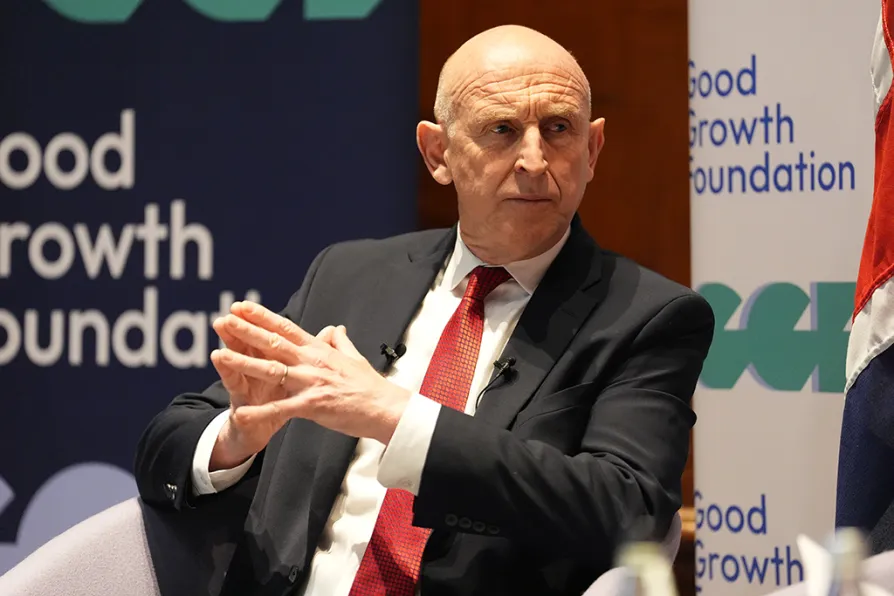
The defence secretary’s resignation reveals not a split over principle but a dispute over pace of military spending, as Britain’s political Establishment unites behind deeper Nato commitments, argues NICK WRIGHT
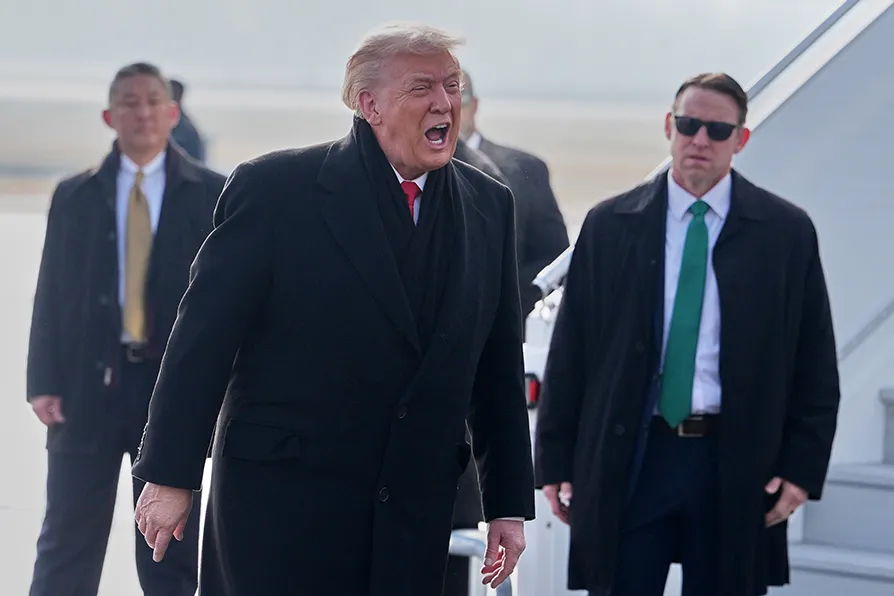
Trump’s vision of ‘might is right’ signals the collapse of the postwar order — and a warning of who may be next, warns BOB ORAM
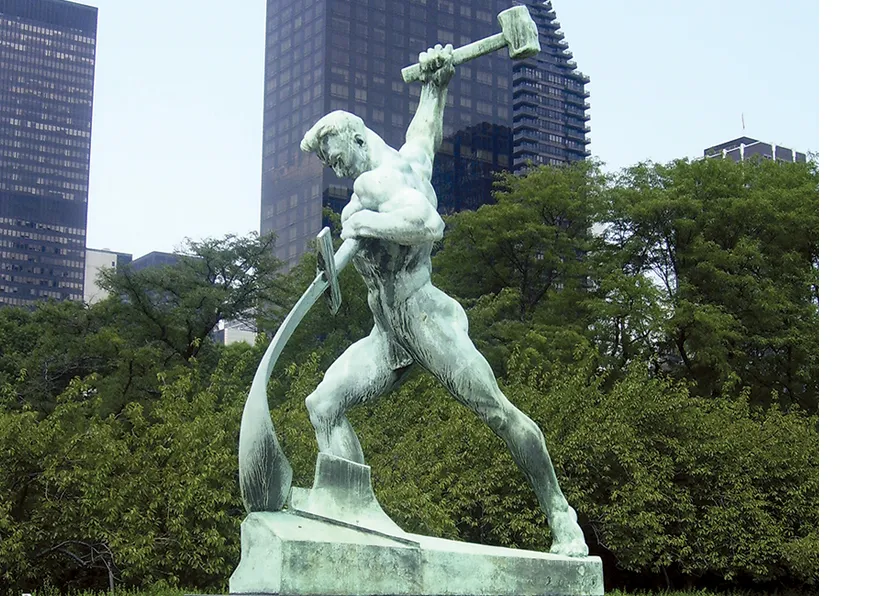
The colonial mindset behind the governance of the UN is the reason for its inertia when it comes to conflict resolution, argues ROGER McKENZIE – but can China’s Global Governance Initiative point in a new direction of global equality?
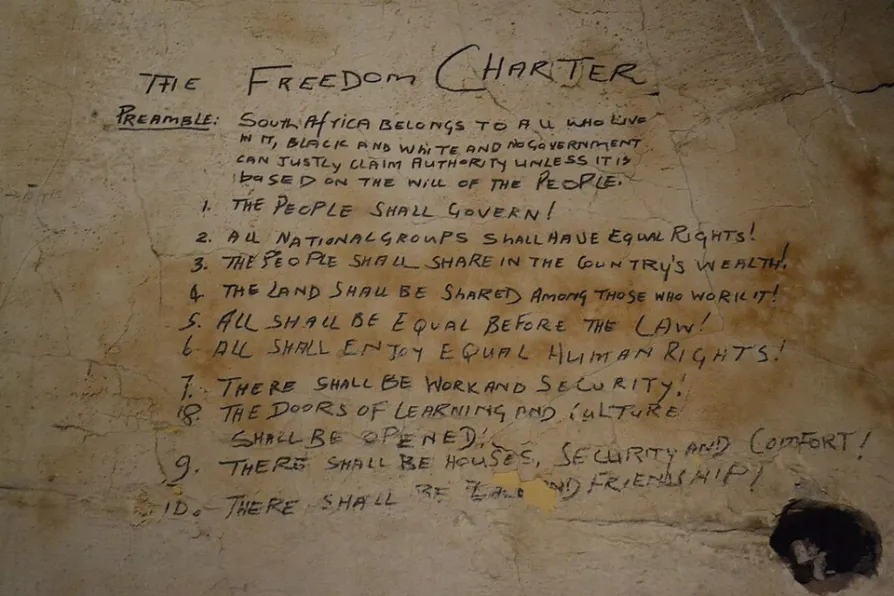
The charter emerged from a profoundly democratic process where people across South Africa answered ‘What kind of country do we want?’ — but imperial backlash and neoliberal compromise deferred its deepest transformations, argues RONNIE KASRILS