All the evidence shows voters want Labour to shift to the left — but initial signs from Andy Burnham are worrying on that front, cautions DIANE ABBOTT


 Latest editorial
What makes a cat tick
Let's focus on how the genetic code provides the toolbox for the myriad possibilities in any person, or cat for that matter
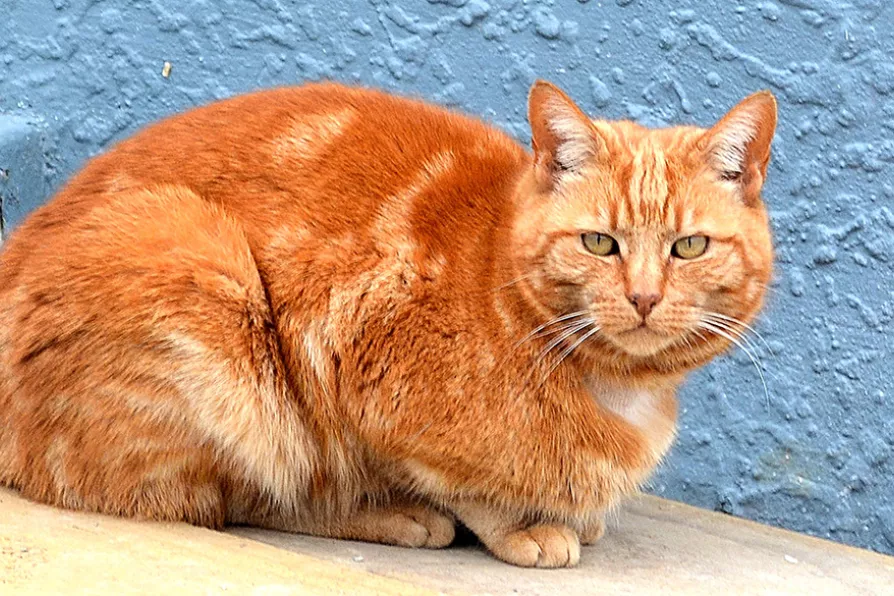 LUCK OF THE DRAW: Two copies of the eumelanin inhibiting gene gives a completely orange cat
[GPS 56/Creative Commons]
LUCK OF THE DRAW: Two copies of the eumelanin inhibiting gene gives a completely orange cat
[GPS 56/Creative Commons]

ANDY McDONALD MP says Labour must show it is capable of delivering real improvements in people’s lives — bold action is required
ANGUS REID and ANDREW JOHNSTONE report on an initiative that we must take this summer
ALLISON FEWTRELL on what Plaid Cymru's historic election victory means for the communities being failed by Wales’s housing crisis, and four things the new government can do right now
France Insoumise MP JEROME LEGAVRE speaks to Christophe Domec on building the Europe-wide peace movement that came together in the International Conference Against War last weekend
At last weekend’s International Conference Against War, LINDA PENTZ GUNTER talks to the Palestinian physician and politician about the struggles ahead to achieve a truly free Palestine





THE DNA of domestic cats is bundled up into 38 chromosomes. Each chromosome is a long, tightly packed string of DNA that contains many different genes. The concept of a “gene” as a discrete unit of heredity dates back to before the discovery of DNA.
In the 20th century, it was realised that some regions of DNA are operated on by molecular machines in the cell, turning their encoded sequence into RNA and then into proteins, short-lived molecules that are involved in almost all cellular processes.
These DNA regions are what we now call genes. There is some nuance in this: for example, some regions of a gene are not turned into protein themselves and instead play a role in how exactly this happens.

Similar stories

GEORGE FOGARTY is dazzled by a breathtakingly skillful puppet version of Shakespeare’s greatest love poem

RICHARD SHILLCOCK examines an enjoyable, but philosophically conventional book, and urges Marxists to employ their capacity to embrace the totality in any explanation
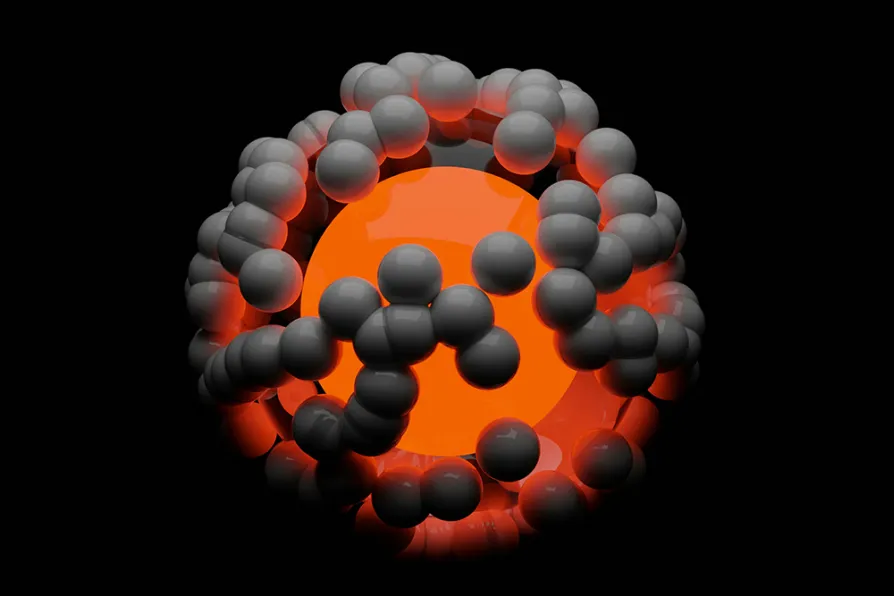
Neutrinos are so abundant that 400 trillion pass through your body every second. ROX MIDDLETON, LIAM SHAW and MIRIAM GAUNTLETT explain how scientists are seeking to know more about them
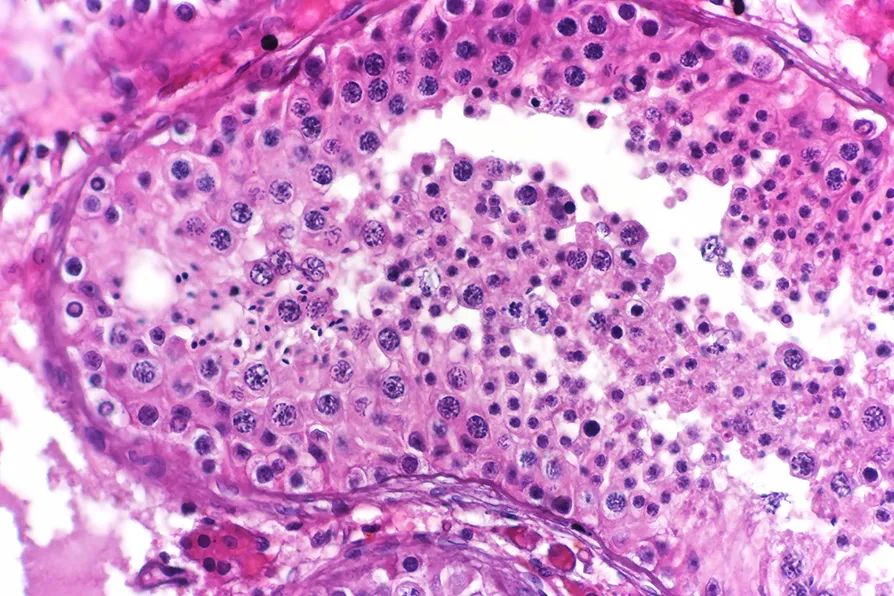
New research into mutations in sperm helps us better understand why they occur, while debunking a few myths in the process, write ROX MIDDLETON, LIAM SHAW and MIRIAM GAUNTLETT