All the evidence shows voters want Labour to shift to the left — but initial signs from Andy Burnham are worrying on that front, cautions DIANE ABBOTT


 Latest editorial
A history of jingoism shows the importance of anti-war protest
KEITH FLETT sees some unpleasant echoes of the past in today’s drumbeats for war
 A mob loots suspected German shops in east London, 1915

ANDY McDONALD MP says Labour must show it is capable of delivering real improvements in people’s lives — bold action is required
ANGUS REID and ANDREW JOHNSTONE report on an initiative that we must take this summer
ALLISON FEWTRELL on what Plaid Cymru's historic election victory means for the communities being failed by Wales’s housing crisis, and four things the new government can do right now
France Insoumise MP JEROME LEGAVRE speaks to Christophe Domec on building the Europe-wide peace movement that came together in the International Conference Against War last weekend
At last weekend’s International Conference Against War, LINDA PENTZ GUNTER talks to the Palestinian physician and politician about the struggles ahead to achieve a truly free Palestine





OFCOM has taken the decision to withdraw the licence of Russia Today to broadcast in Britain.
The regulator’s view is that it is a conduit for pro-Putin propaganda in respect of Ukraine, but it can be argued that the BBC functions at least partly as a pro-Nato broadcaster.
Between the two there is little space for those who oppose imperialist wars, whether launched and organised by East or West.

Similar stories
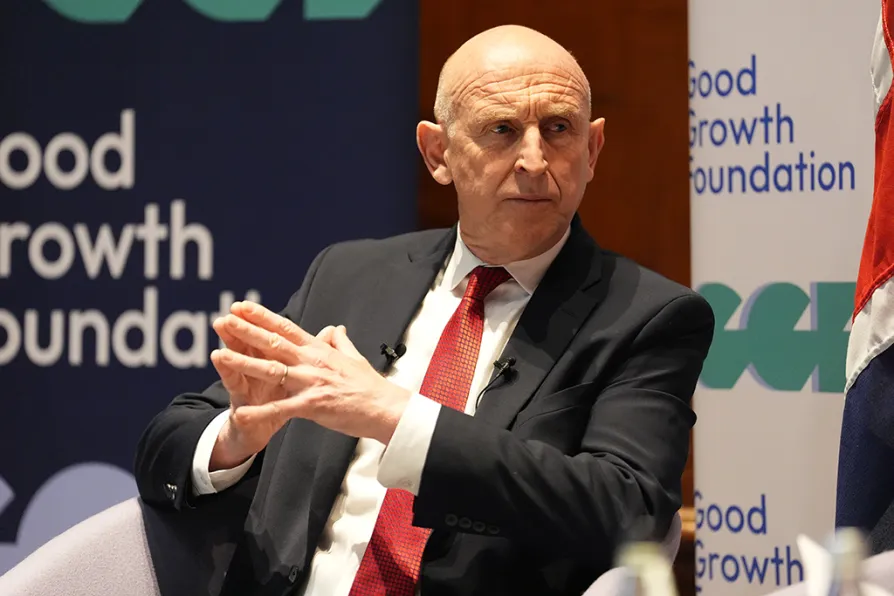
The defence secretary’s resignation reveals not a split over principle but a dispute over pace of military spending, as Britain’s political Establishment unites behind deeper Nato commitments, argues NICK WRIGHT
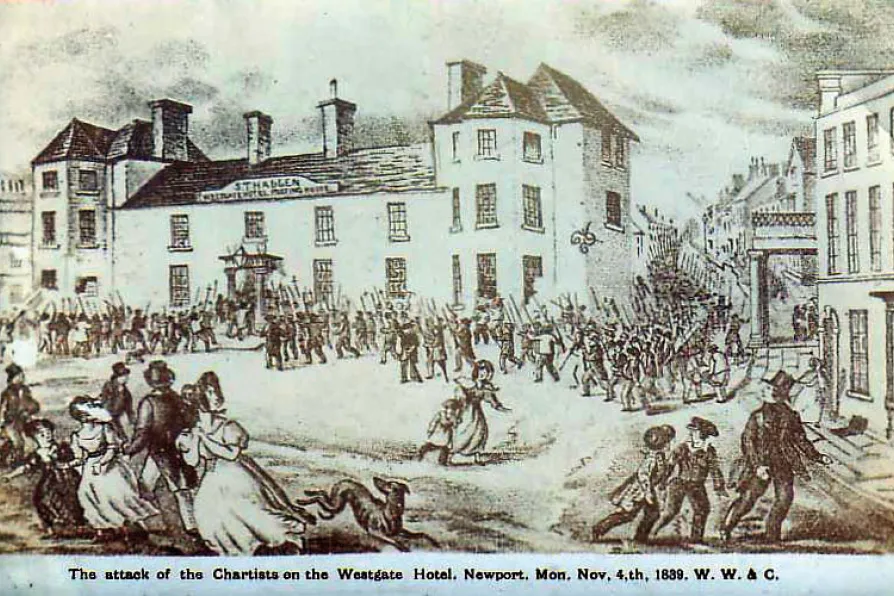
It’s not just the Starmer regime: the workers of Britain have always faced legal affronts on their right to assemble and dissent, and the Labour Party especially has meddled with our freedoms from its earliest days, writes KEITH FLETT
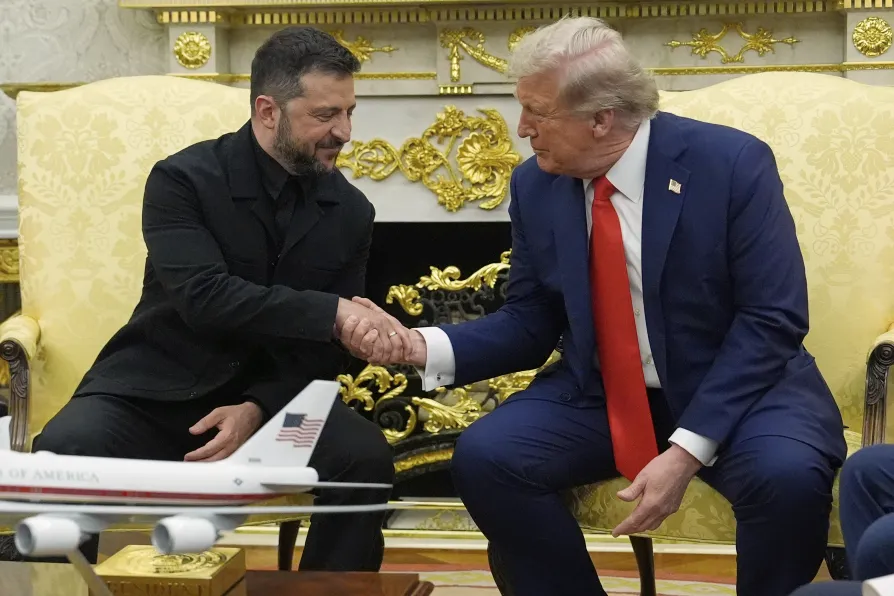
Washington plays innocent bystander while pouring weapons and intelligence into Ukraine, just as it enables the Gaza genocide — but every US escalation leaves Ukraine weaker than the neutrality deal rejected in 2022, argue MEDEA BENJAMIN and NICOLAS JS DAVIES
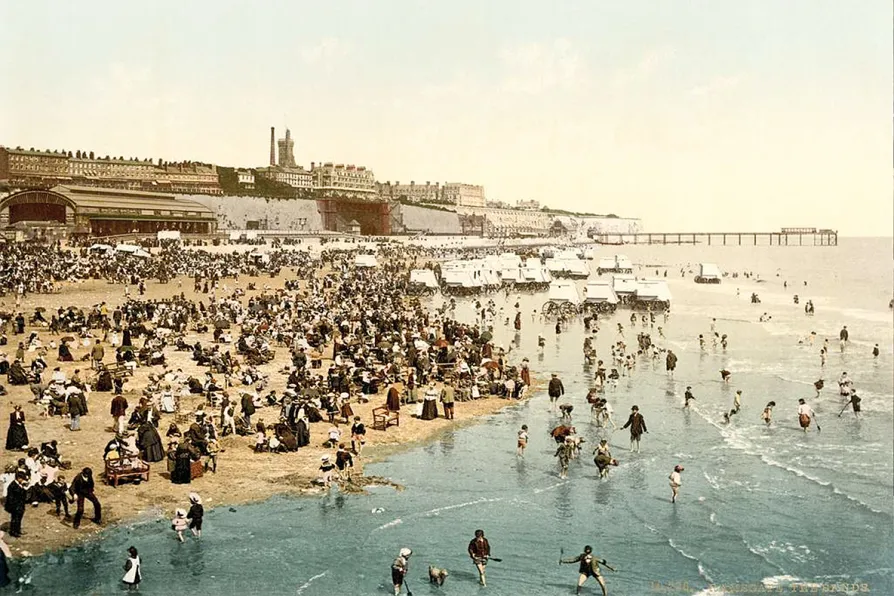
The summer saw the co-founders of modern communism travelling from Ramsgate to Neuenahr to Scotland in search of good weather, good health and good newspapers in the reading rooms, writes KEITH FLETT