All the evidence shows voters want Labour to shift to the left — but initial signs from Andy Burnham are worrying on that front, cautions DIANE ABBOTT


 Latest editorial
I will survive
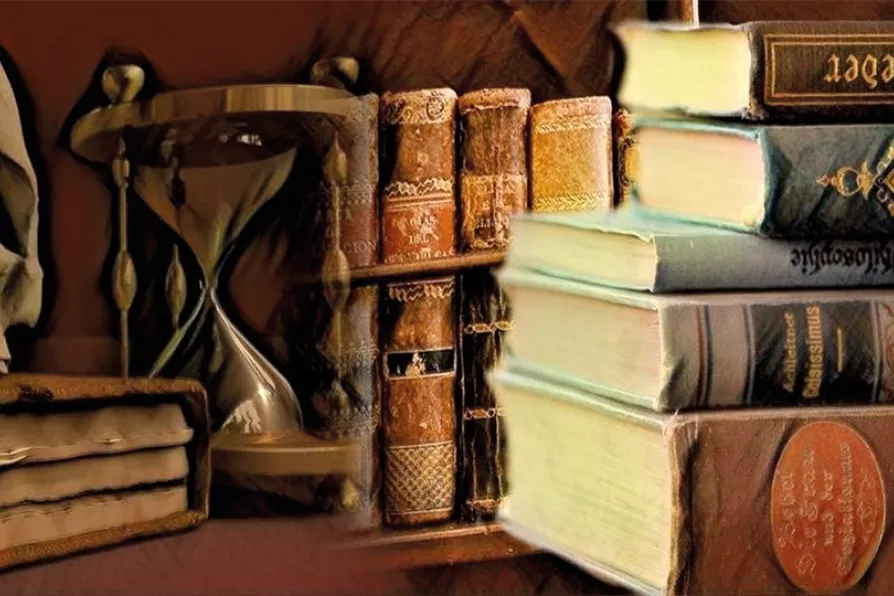
Working out the survival rates of medieval manuscripts needed surprise input from those studying animal diversity – and reminds us on the left to make sure we keep our own story safe, write ROX MIDDLETON, LIAM SHAW and JOEL HELLEWELL
ANDY McDONALD MP says Labour must show it is capable of delivering real improvements in people’s lives — bold action is required
ANGUS REID and ANDREW JOHNSTONE report on an initiative that we must take this summer
ALLISON FEWTRELL on what Plaid Cymru's historic election victory means for the communities being failed by Wales’s housing crisis, and four things the new government can do right now
France Insoumise MP JEROME LEGAVRE speaks to Christophe Domec on building the Europe-wide peace movement that came together in the International Conference Against War last weekend
At last weekend’s International Conference Against War, LINDA PENTZ GUNTER talks to the Palestinian physician and politician about the struggles ahead to achieve a truly free Palestine




HISTORIANS must work with limited information about the past.
First, what is set down is a biased subset to begin with. The experiences of the working class in England before the Industrial Revolution, for example, are much harder to reconstruct than the royal court.
Second, even written records can be lost, crumble away in attics, or be burned in library fires. So the evidence that does survive today from the past is a proportion of what once existed. But what is that proportion?

Similar stories
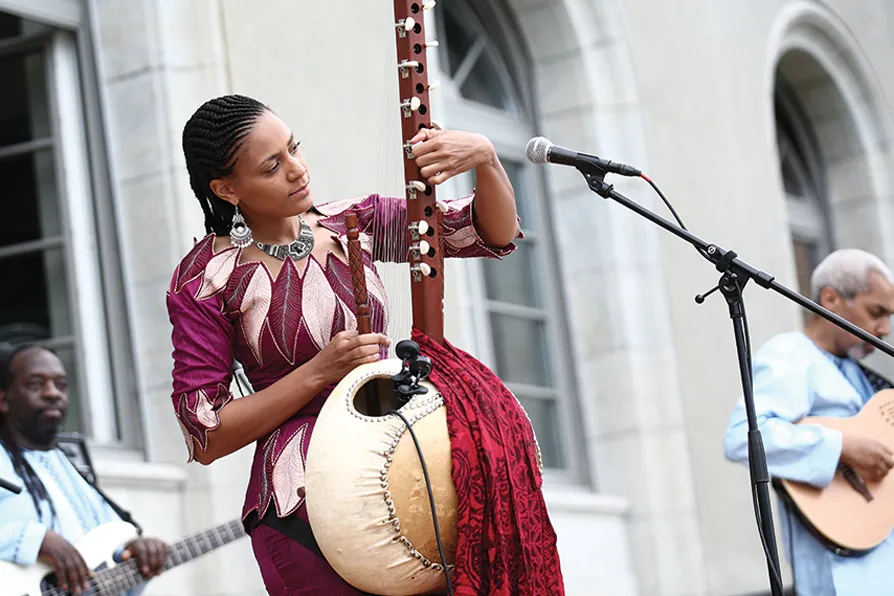
ROGER McKENZIE draws attention to the much-neglected oral traditions of the global South that define the identity – and therefore the liberation – of its custodians
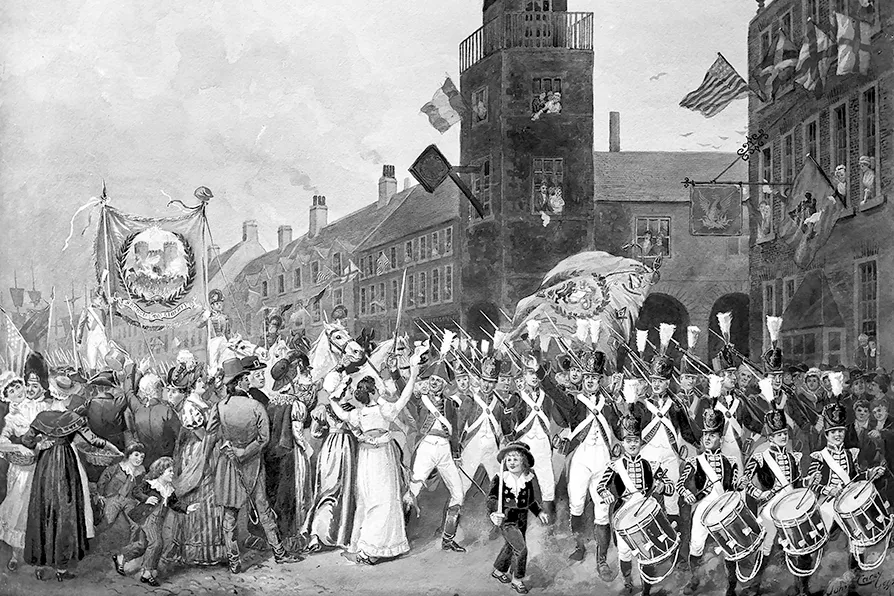
TOM GALLAHUE argues that asking what role Irish diaspora educators can play in shaping Irish unity is to ask a deeper question about democracy itself
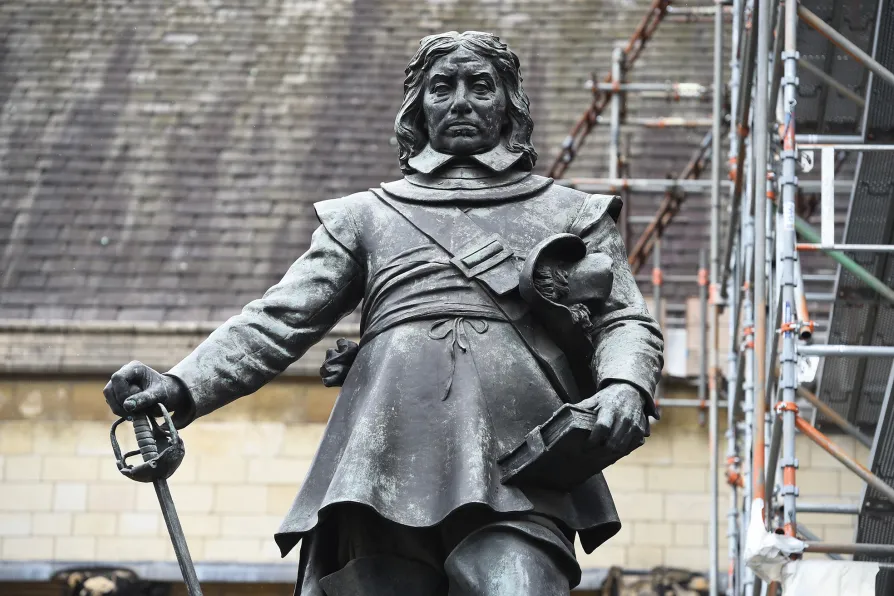
The selection, analysis and interpretation of historical ‘facts’ always takes place within a paradigm, a model of how the world works. That’s why history is always a battleground, declares the Marx Memorial Library
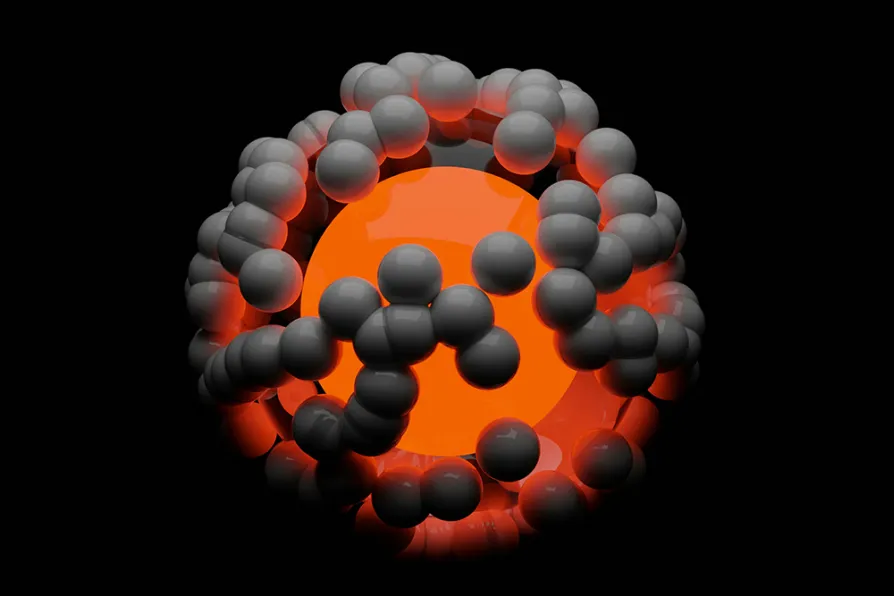
Neutrinos are so abundant that 400 trillion pass through your body every second. ROX MIDDLETON, LIAM SHAW and MIRIAM GAUNTLETT explain how scientists are seeking to know more about them