All the evidence shows voters want Labour to shift to the left — but initial signs from Andy Burnham are worrying on that front, cautions DIANE ABBOTT


 Latest editorial
May Day traditions – not just marches and rallies
The Chartists marked May Day long before it became a labour movement occasion. KEITH FLETT explains
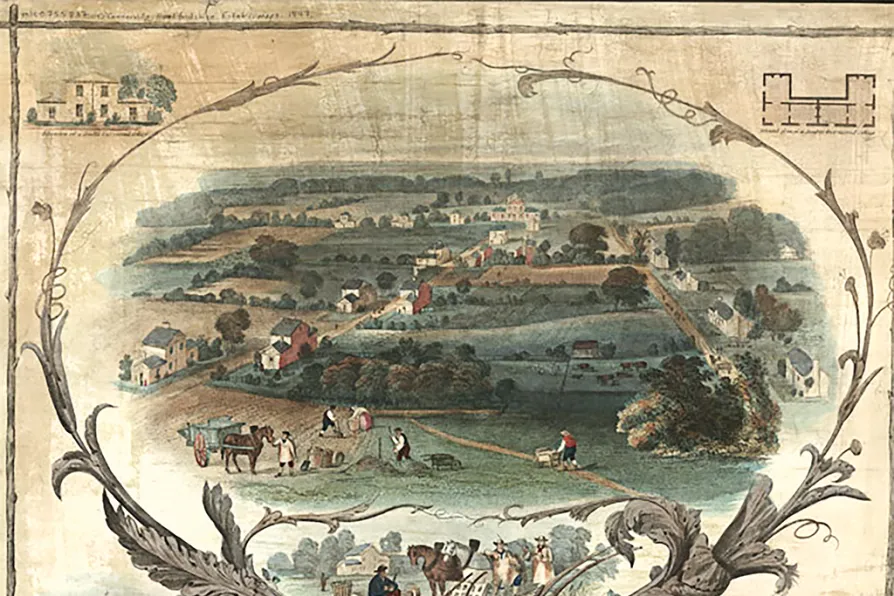 IDEALISM: A map showing plans for a Chartist land settlement in Hertfordshire, named O’Connorville after the Chartist leader Feargus O’Connor

ANDY McDONALD MP says Labour must show it is capable of delivering real improvements in people’s lives — bold action is required
ANGUS REID and ANDREW JOHNSTONE report on an initiative that we must take this summer
ALLISON FEWTRELL on what Plaid Cymru's historic election victory means for the communities being failed by Wales’s housing crisis, and four things the new government can do right now
France Insoumise MP JEROME LEGAVRE speaks to Christophe Domec on building the Europe-wide peace movement that came together in the International Conference Against War last weekend
At last weekend’s International Conference Against War, LINDA PENTZ GUNTER talks to the Palestinian physician and politician about the struggles ahead to achieve a truly free Palestine




MAY DAY is, worldwide, a labour and socialist festival. It has been marked in Britain since the first London May Day demonstrations in the 1890s.
As Eric Hobsbawm and Terence Ranger wrote, traditions are invented. In Britain at the moment there is an official May Day public holiday held on the first Monday after the actual date, which often sees marches and rallies.
We have Michael Foot and the 1974-79 Labour government to thank for that, although Margaret Thatcher recorded in her papers that she also enjoyed a day off, despite disapproving of its stated purpose.

Similar stories
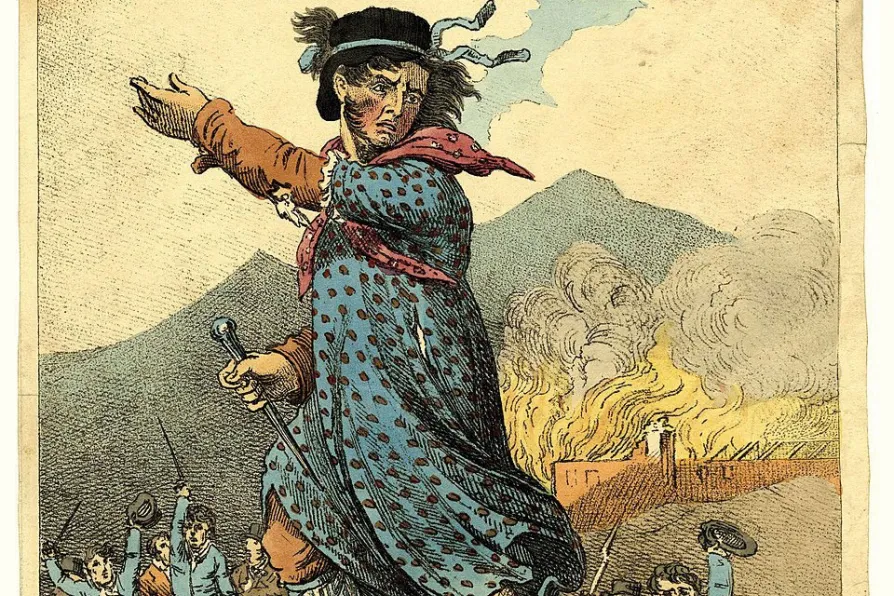
Inspired by a hit TV show, KEITH FLETT takes a look at the murky history of undercover class war
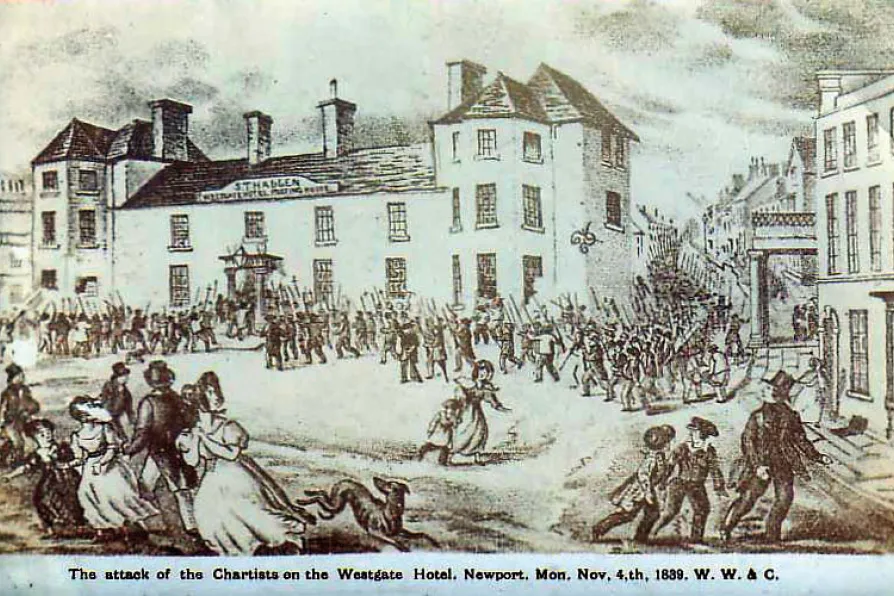
It’s not just the Starmer regime: the workers of Britain have always faced legal affronts on their right to assemble and dissent, and the Labour Party especially has meddled with our freedoms from its earliest days, writes KEITH FLETT

Who you ask and how you ask matter, as does why you are asking — the history of opinion polls shows they are as much about creating opinions as they are about recording them, writes socialist historian KEITH FLETT
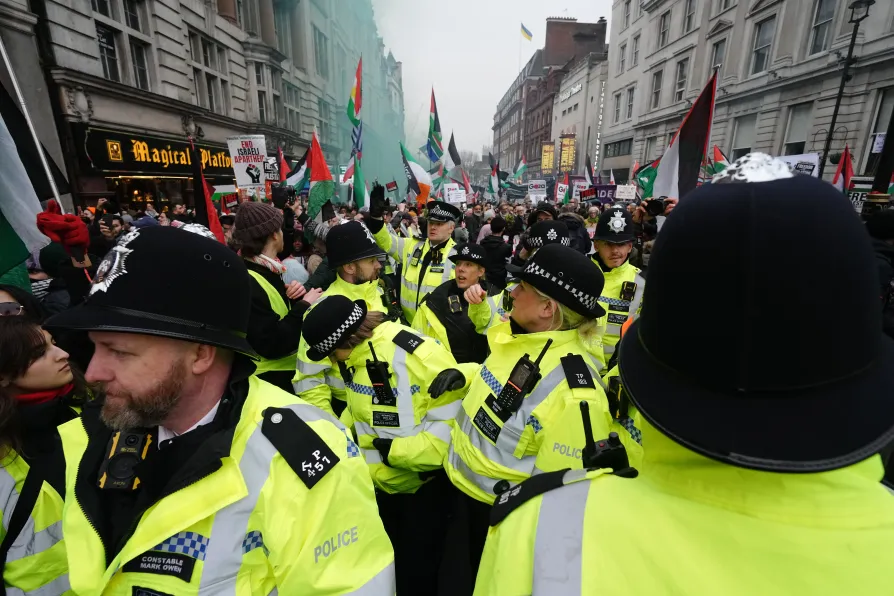
The government cracking down on something it can’t comprehend and doesn’t want to engage with is a repeating pattern of history, says KEITH FLETT