All the evidence shows voters want Labour to shift to the left — but initial signs from Andy Burnham are worrying on that front, cautions DIANE ABBOTT


 Latest editorial
Palestine’s new resistance model
Last year redefined how Palestinians fight against their occupiers, overcoming years of factional division and arbitary standards imposed on them from outside — the 'Unity Intifada' shows no sign of fading, writes RAMZY BAROUD
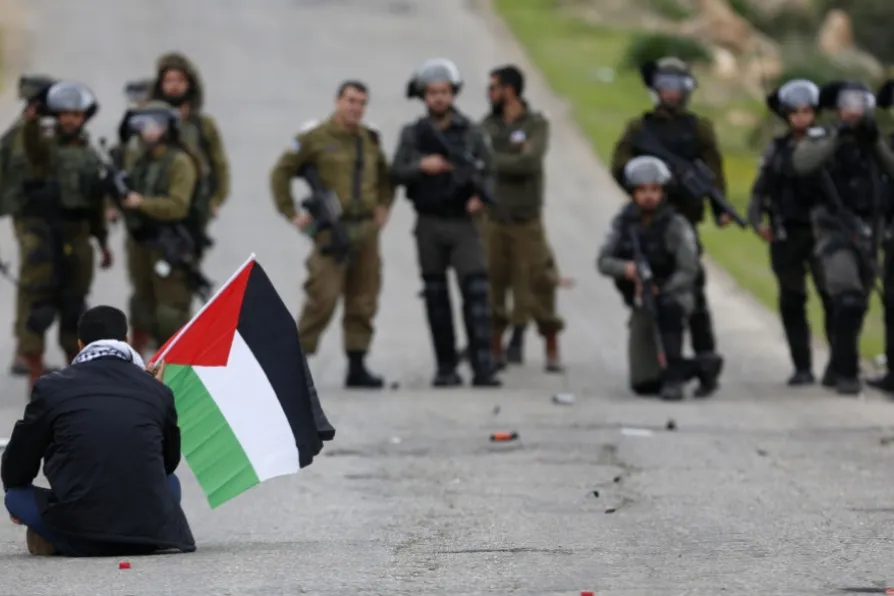 A Palestinian demonstrator holds a national flags in front of Israeli forces in the West Bank

ANDY McDONALD MP says Labour must show it is capable of delivering real improvements in people’s lives — bold action is required
ANGUS REID and ANDREW JOHNSTONE report on an initiative that we must take this summer
ALLISON FEWTRELL on what Plaid Cymru's historic election victory means for the communities being failed by Wales’s housing crisis, and four things the new government can do right now
France Insoumise MP JEROME LEGAVRE speaks to Christophe Domec on building the Europe-wide peace movement that came together in the International Conference Against War last weekend
At last weekend’s International Conference Against War, LINDA PENTZ GUNTER talks to the Palestinian physician and politician about the struggles ahead to achieve a truly free Palestine





WHAT took place between May 2021 and May 2022 is nothing less than a paradigm shift in Palestinian resistance. Thanks to the popular and inclusive nature of Palestinian mobilisation against the Israeli occupation, resistance in Palestine is no longer an ideological, political or regional preference.
In the period between the signing of the Oslo Accords in 1993 and only a few years ago, Palestinian “muqawama” — or resistance — was constantly put in the dock, often criticised and condemned, as if an oppressed nation had a moral responsibility in selecting the type of resistance to suit the needs and interests of its oppressors.
As such, Palestinian resistance became a political and ideological litmus test. The Palestinian Authority of Yasser Arafat and, later, Mahmoud Abbas, called for “popular resistance,” but it seems that it neither understood what the strategy actually meant and certainly was not prepared to act upon such a call.

Similar stories
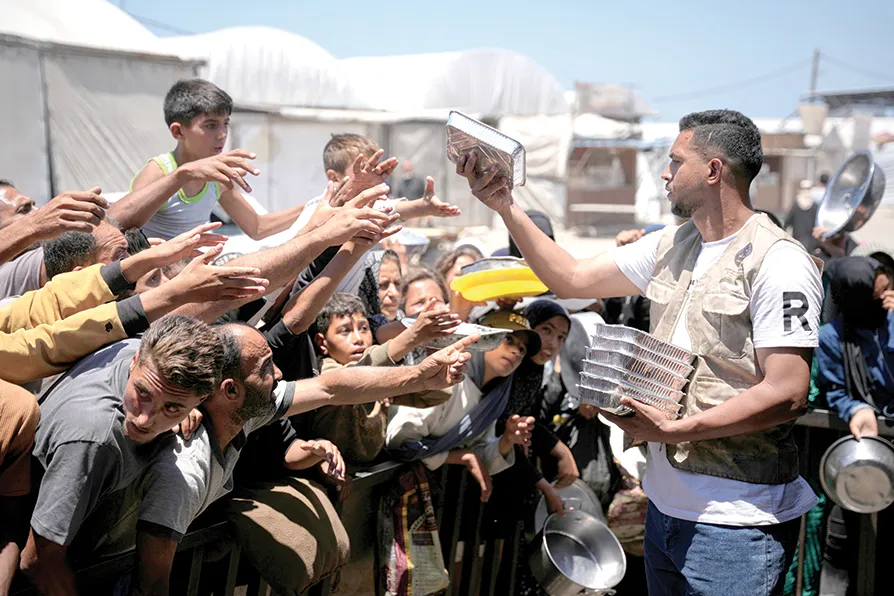
While international attention focuses on ceasefire frameworks, Israel is openly advancing plans for a permanent expansion of its control over Gaza, writes RAMZY BAROUD
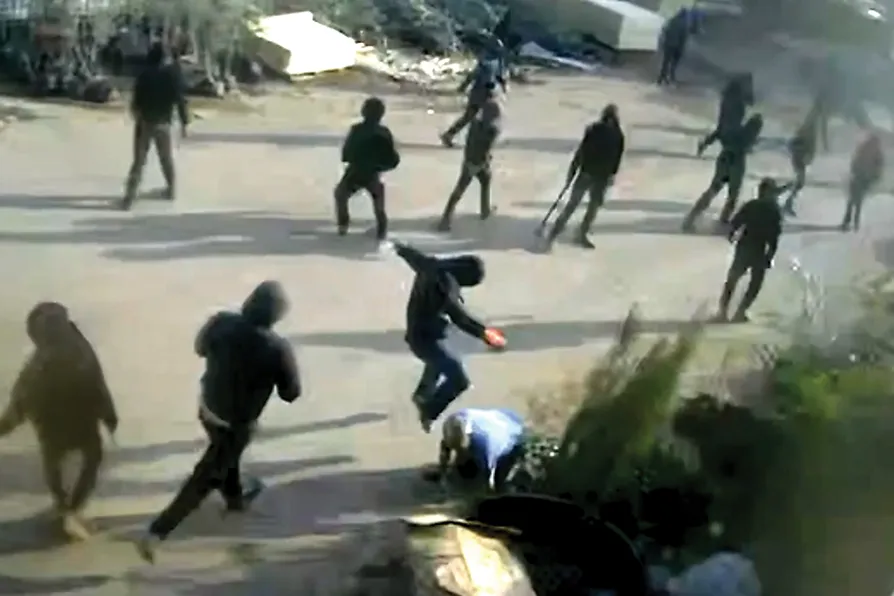
RAMZY BAROUD looks at how entire West Bank communities have been shattered, their social and physical fabric deliberately dismantled by Israel to enable its formal annexation
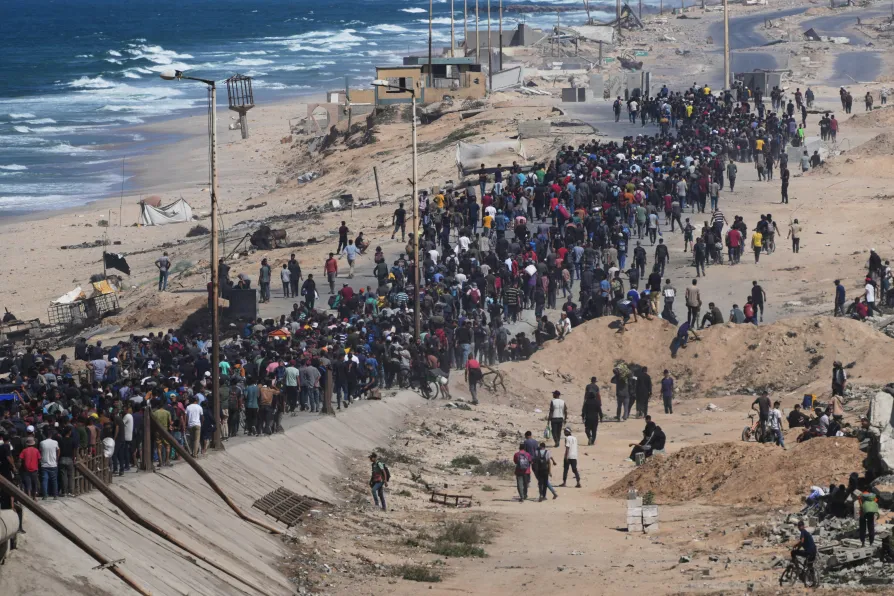
ANN CZERNIK looks back over the last two years of carnage that began with the unprecedented October 7 operation and considers the rhetoric from both sides in light of the massacre carried out by Israel that has united the world in horror

Israel’s genocide in Palestine and wars against its neighbours would be impossible without constant Western support — so we must amplify the brave voices demanding a halt, argues DR RAMZY BAROUD