As tens of thousands return to the streets for the first national Palestine march of 2026, this movement refuses to be sidelined or silenced, says PETER LEARY


 Latest editorial

Rebuild Britain: for socially responsible public finance
Reviewing a new pamphlet, FAWZI IBRAHIM asserts the need for public expenditure in which private finance is strictly regulated and constrained, allowing the Bank of England to fund government expenditure without the risk of inflation
 The Bank of England

If the government really wanted to address public finances, improve living standards and begin economic recovery, it would increase its borrowing for investment, argues MICHAEL BURKE
MATT KERR takes a winter journey through poetry, labour and memory, from Glasgow to Newcastle, arguing that our radical past isn’t something to revere from a distance, but a tool still meant to be used
One of Canada’s most revered politicians is a native of Falkirk but is relatively unknown in his original homeland. KENNY MacASKILL tells his story
Labour prospects in May elections may be irrevocably damaged by Birmingham Council’s costly refusal to settle the year-long dispute, warns STEVE WRIGHT
HENRY FOWLER and ROB POOLE explain the significance of today’s Megapicket





HOW a government funds its expenditure is a question that all countries face. It is not confined to capitalist economies. It applies to Cuba as well as to Britain and the US.
Government expenditure invariably exceeds its income whether by design as a result of investment decisions, or due to natural disasters or war. Governments with a sovereign currency (and Britain is such a country, unlike those who are inside the EU) can simply print money to fund expenditure. However, that will lead to inflationary pressures on prices, at least in the short term, as general demand for resources increases.
Traditionally, governments have borrowed money from the private financial market through the issuance of bonds. Money is thus taken away from private finance into the hands of the government to spend.

Similar stories

If the government really wanted to address public finances, improve living standards and begin economic recovery, it would increase its borrowing for investment, argues MICHAEL BURKE
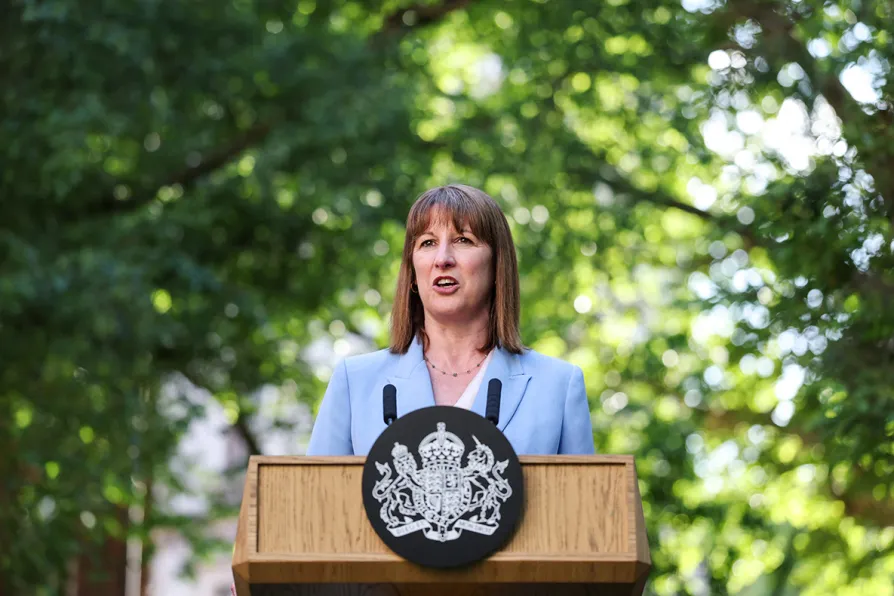
Exempting military expenditure from austerity while slashing welfare represents a fundamental misallocation of resources that guarantees continued decline, argues MICHAEL BURKE
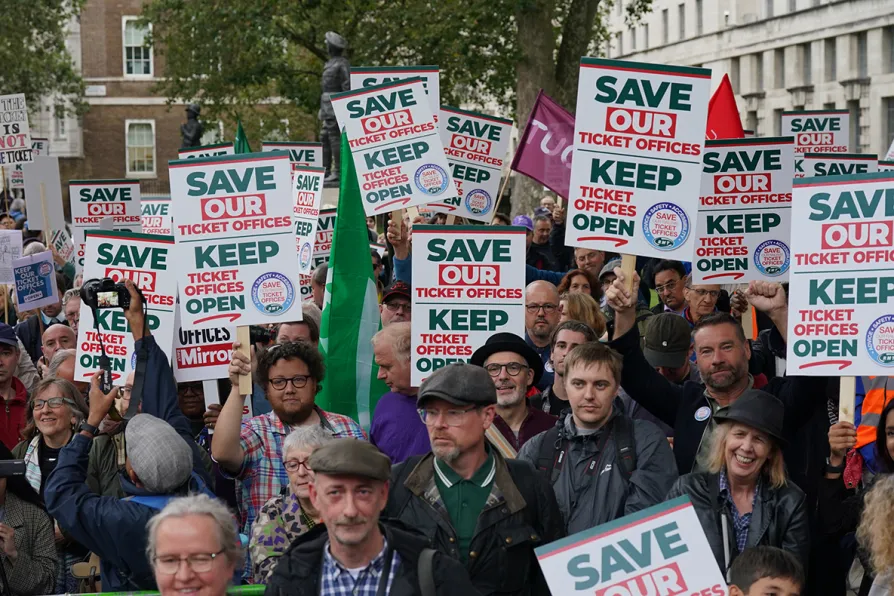
This May Day we reaffirm our commitment to working people and our class and to get trade unionism back on the front foot, says EDDIE DEMPSEY

Labour’s fiscal policy is already in trouble. But simply printing money is not a solution, says the Marx Memorial Library and Workers School