All the evidence shows voters want Labour to shift to the left — but initial signs from Andy Burnham are worrying on that front, cautions DIANE ABBOTT


 Latest editorial
Unions need women and women need unions
As 65 per cent of the public-sector workforce are female, this puts them on the front line of the struggle against privatisation and de-regulation — unions must centre women workers for an effective fightback, writes HELEN O'CONNOR
 Low pay, scandalously low levels of sick pay and the failure to grant paid carers’ leave are all issues that plunge working women and families into poverty and are driving increasing numbers of families to food banks and homelessness.

ANDY McDONALD MP says Labour must show it is capable of delivering real improvements in people’s lives — bold action is required
ANGUS REID and ANDREW JOHNSTONE report on an initiative that we must take this summer
ALLISON FEWTRELL on what Plaid Cymru's historic election victory means for the communities being failed by Wales’s housing crisis, and four things the new government can do right now
France Insoumise MP JEROME LEGAVRE speaks to Christophe Domec on building the Europe-wide peace movement that came together in the International Conference Against War last weekend
At last weekend’s International Conference Against War, LINDA PENTZ GUNTER talks to the Palestinian physician and politician about the struggles ahead to achieve a truly free Palestine





THE 1980s under Margaret Thatcher marked a regressive period for working-class people as a whole — and women in particular.
The conditions were laid down for a savage assault on the public sector. Competitive tendering was laid out in the provision of domestic, catering and laundering services, which led to the super-exploitation of outsourced hospital workers that we see today.
Monetarist policies, economic deregulation, the slashing of social security, privatisation of public services and anti-union legislation had a devastating impact through deindustrialisation and unemployment rose to three million. State benefits including child benefit were cut and child poverty doubled as Thatcher attacked working mothers for “raising a creche generation.”

Similar stories

The new Employment Rights Act is a step forward, but restoring collective bargaining and union power remains essential to tackling insecurity, outsourcing and low pay, says PAUL WHITEHOUSE

As Unison launches its Year of Women Workers, ANNIE COGAN-THOMAS argues that stronger organisation and collective bargaining are essential to winning equality
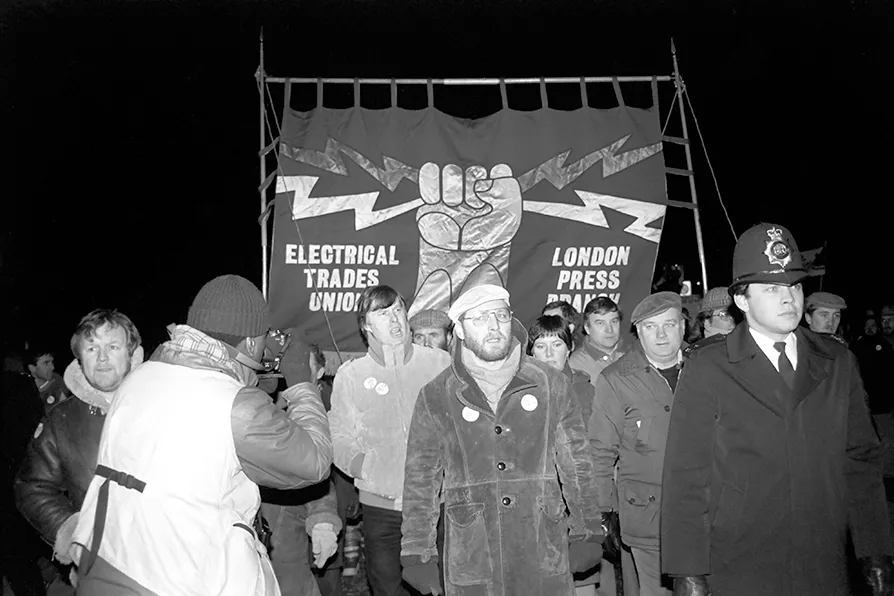
A past confrontation permanently shaped the methods the state will use to protect employers against any claims by their employees, writes MATT WRACK, but unions are readying to face the challenge
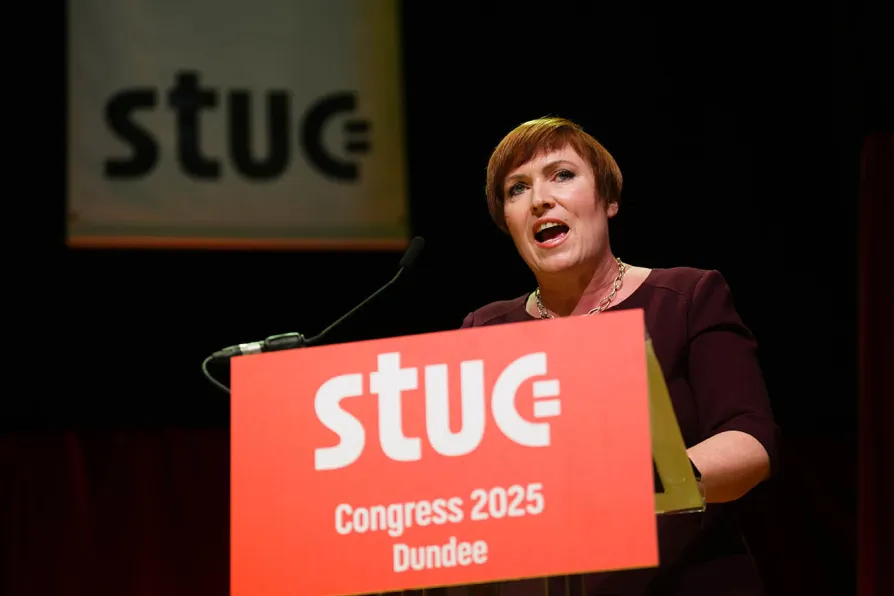
Working-class women lead the fight for fair work and equitable pay and against sexual harassment, the rise of the far right and years of failed austerity policies, writes ROZ FOYER