All the evidence shows voters want Labour to shift to the left — but initial signs from Andy Burnham are worrying on that front, cautions DIANE ABBOTT


 Latest editorial
Women’s rights are not some subsection of the class struggle
Women have just as big a role to play in the trade unions and in political life as men – every aspect of our day-to-day lives is affected by workplace policies and by the decisions of the politicians in Westminster, argues HELEN O’CONNOR
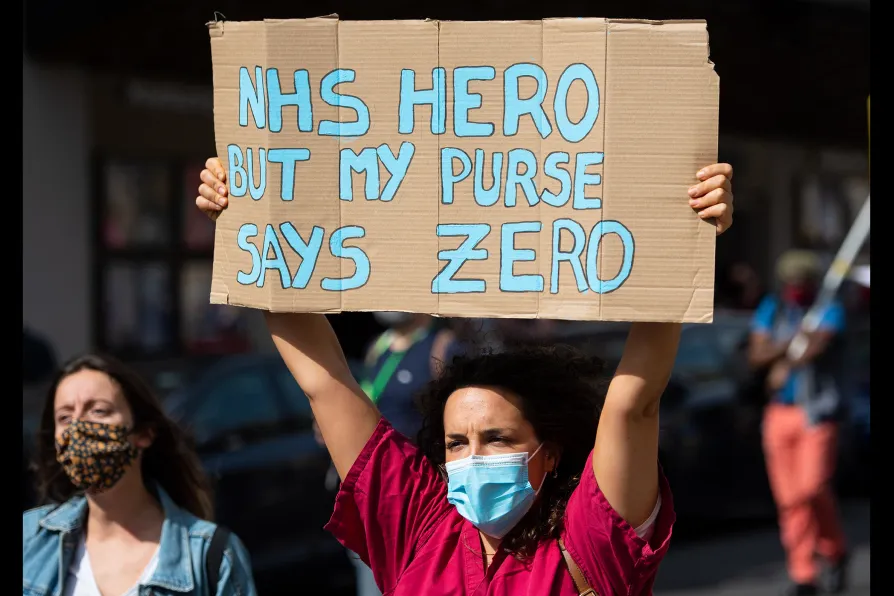
ANDY McDONALD MP says Labour must show it is capable of delivering real improvements in people’s lives — bold action is required
ANGUS REID and ANDREW JOHNSTONE report on an initiative that we must take this summer
ALLISON FEWTRELL on what Plaid Cymru's historic election victory means for the communities being failed by Wales’s housing crisis, and four things the new government can do right now
France Insoumise MP JEROME LEGAVRE speaks to Christophe Domec on building the Europe-wide peace movement that came together in the International Conference Against War last weekend
At last weekend’s International Conference Against War, LINDA PENTZ GUNTER talks to the Palestinian physician and politician about the struggles ahead to achieve a truly free Palestine





IT IS no accident that too many working-class women end up trapped working long hours in low-paid dead-end jobs while juggling the lion’s share of caring and domestic duties.
All too often women who try to get active in our unions to change the workplace end up having doors slammed in our faces.
We quickly find ourselves relegated to the sidelines in union branches that are dominated by older men who wrongly think they know better than women.

Similar stories
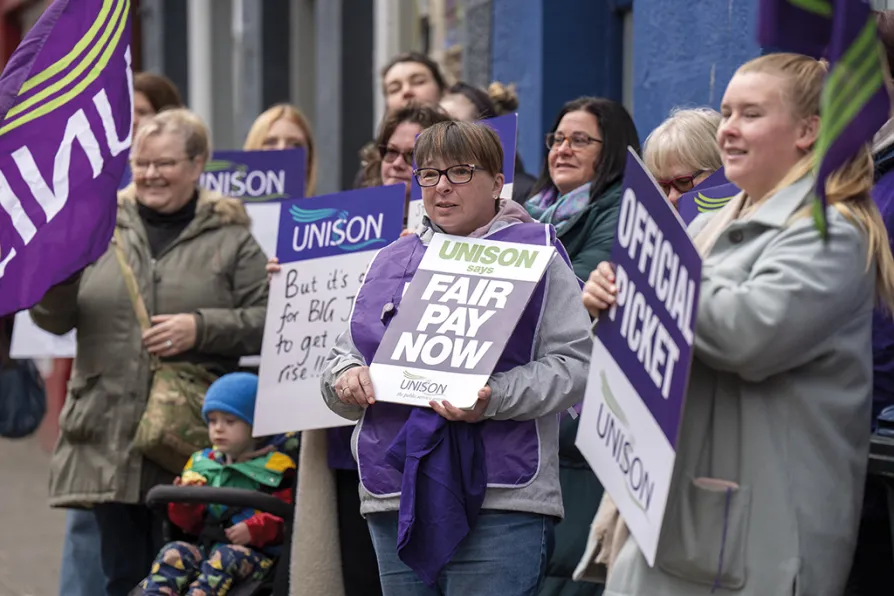
As Unison launches its Year of Women Workers, ANNIE COGAN-THOMAS argues that stronger organisation and collective bargaining are essential to winning equality
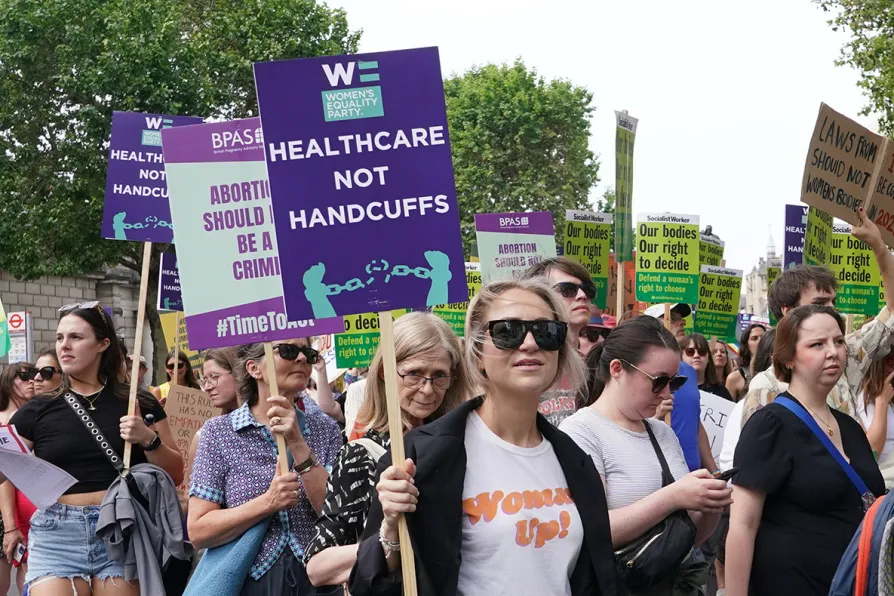
Professor MARY DAVIS argues that feminism has been hollowed out by liberal co-option – and only a revival of socialist, class-based politics can restore International Working Women’s Day’s original, radical purpose
Comments from Matt Goodwin and Danny Kruger expose a reactionary vision in which falling birth rates are blamed on women, says JUDITH CAZORLA
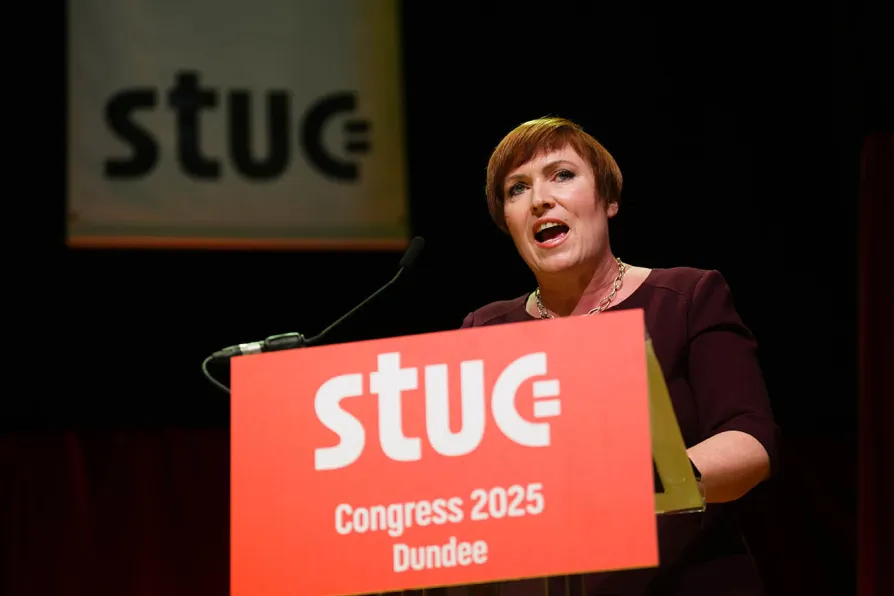
Working-class women lead the fight for fair work and equitable pay and against sexual harassment, the rise of the far right and years of failed austerity policies, writes ROZ FOYER