All the evidence shows voters want Labour to shift to the left — but initial signs from Andy Burnham are worrying on that front, cautions DIANE ABBOTT


 Latest editorial
‘Avenging Sabra and Shatila’ — Israeli massacres and Palestinian resistance
When the survivors of one of the most infamous crimes against the Palestinian diaspora took Israel to court in Belgium, the US used its influence to block the case — but the struggle for justice does not end there, writes RAMZY BAROUD
 NOT FORGOTTEN: A 2003 demonstration commemorating the Sabra and Shatila massacre
ANDY McDONALD MP says Labour must show it is capable of delivering real improvements in people’s lives — bold action is required
ANGUS REID and ANDREW JOHNSTONE report on an initiative that we must take this summer
ALLISON FEWTRELL on what Plaid Cymru's historic election victory means for the communities being failed by Wales’s housing crisis, and four things the new government can do right now
France Insoumise MP JEROME LEGAVRE speaks to Christophe Domec on building the Europe-wide peace movement that came together in the International Conference Against War last weekend
At last weekend’s International Conference Against War, LINDA PENTZ GUNTER talks to the Palestinian physician and politician about the struggles ahead to achieve a truly free Palestine





SEPTEMBER 16 marks the 40th anniversary of the Sabra and Shatila massacre, the killing of around 3,000 Palestinians at the hands of Lebanon’s Phalangist militias operating under the command of the Israeli army.
Four decades have passed, yet no measure of justice has been received by the survivors of the massacre. Many of them have died, and others are ageing while they carry the scars of physical and psychological wounds, in the hope that, perhaps, within their lifetime they will see their executioners behind bars.
However, many of the Israeli and Phalange commanders who had ordered the invasion of Lebanon, orchestrated or carried out the heinous massacres in the two Palestinian refugee camps in 1982, have already died. Ariel Sharon, who was implicated by the official Israeli Kahan Commission a year later for his “indirect responsibility” for the grisly mass killing and rape, later rose in rank to become, in 2001, Israel’s prime minister.

Similar stories
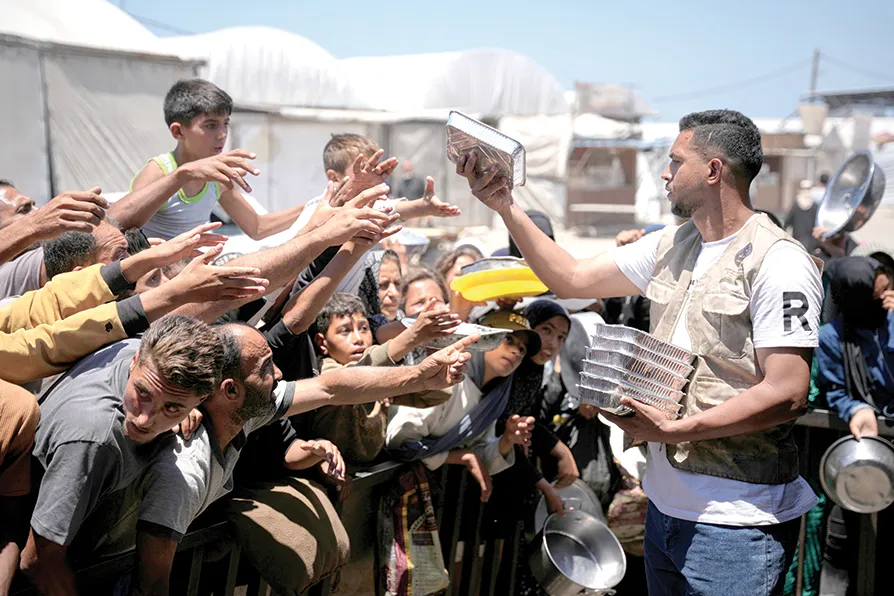
While international attention focuses on ceasefire frameworks, Israel is openly advancing plans for a permanent expansion of its control over Gaza, writes RAMZY BAROUD
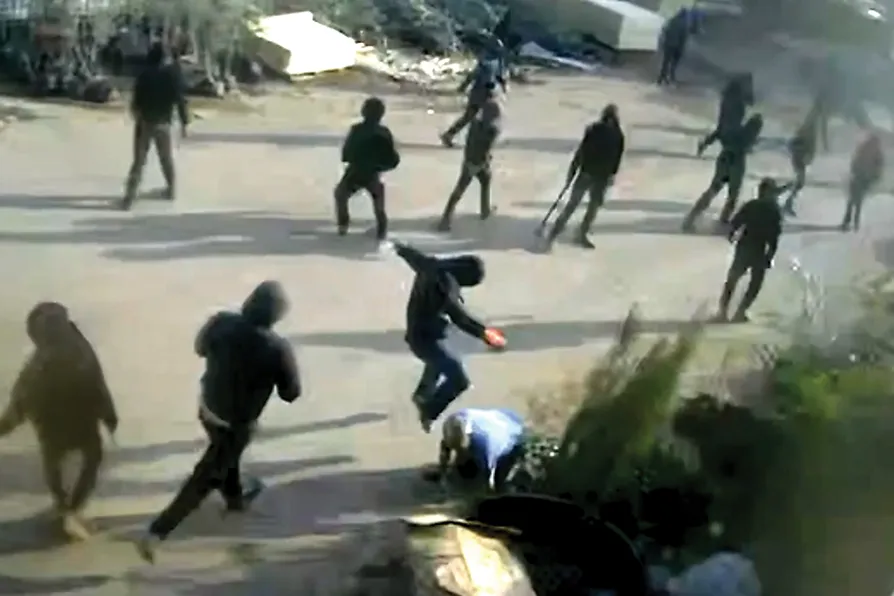
RAMZY BAROUD looks at how entire West Bank communities have been shattered, their social and physical fabric deliberately dismantled by Israel to enable its formal annexation
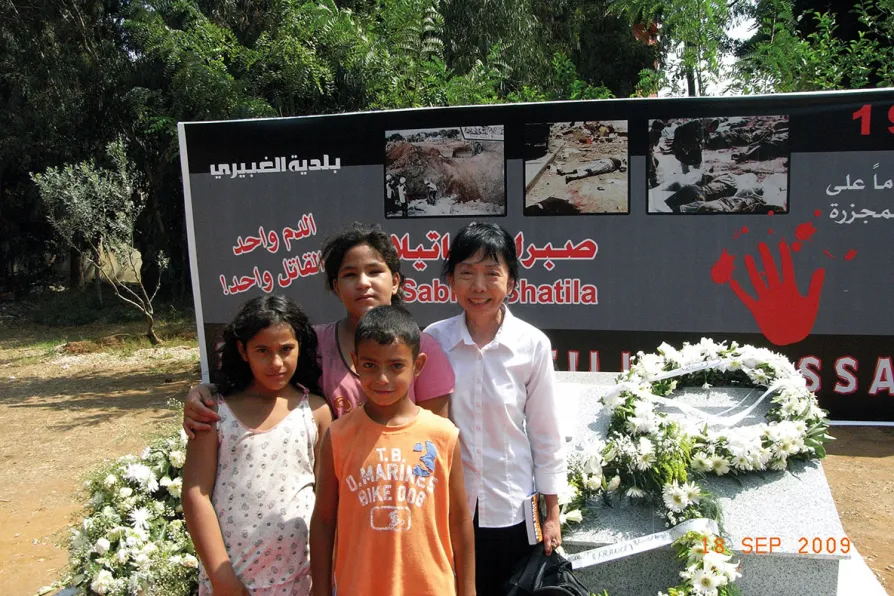
SWEE ANG, the founder of Medical Aid for Palestinians, is a big believer in the power of small actions, and she is the living proof it works, writes Linda Pentz Gunter

Israel’s genocide in Palestine and wars against its neighbours would be impossible without constant Western support — so we must amplify the brave voices demanding a halt, argues DR RAMZY BAROUD