To rescue Kahlo from the clutches of the corporate art market, we need to acknowledge the overt and covert political dimensions of the work, demands GAVIN O’TOOLE


 Latest editorial
The rebel who revolutionised filmmaking
Jean-Luc Godard: December 3 1930 - September 13 2022
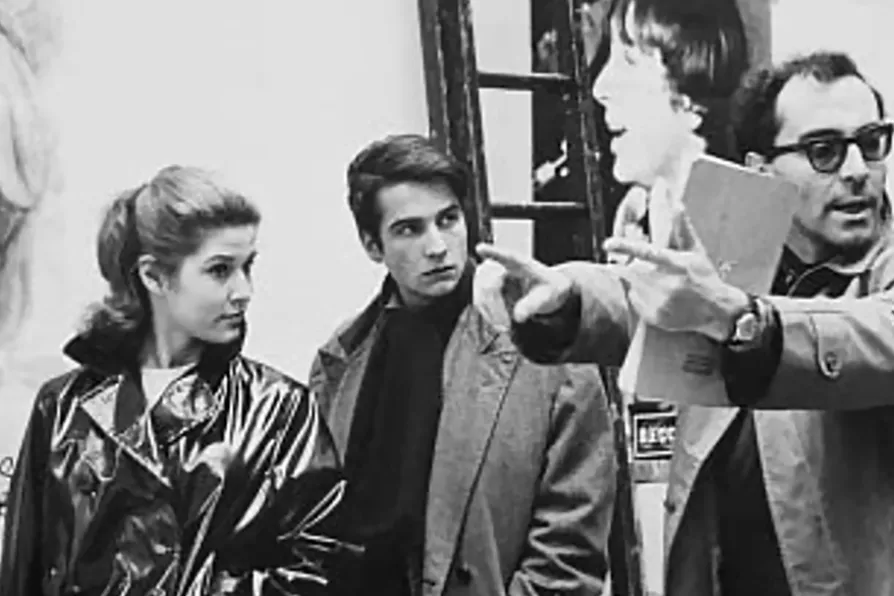 Jean Luc Godard directing Masculin, Feminin with Catherine Duport (left) and Jean Pierre Leaud
[IMDb]
Jean Luc Godard directing Masculin, Feminin with Catherine Duport (left) and Jean Pierre Leaud
[IMDb]
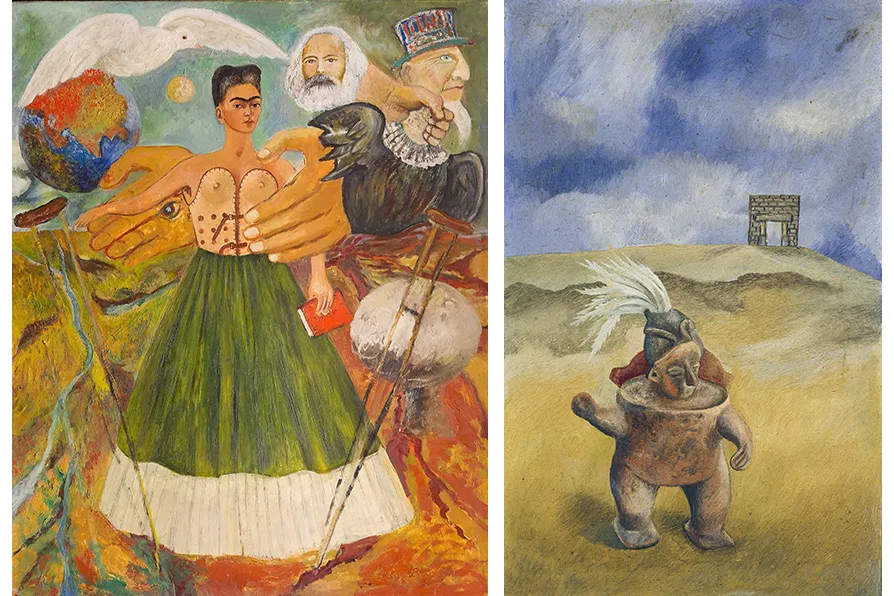
If you can see past the relentless commodification you will be rewarded by enormously powerful work, suggests JENNY MITCHELL
CHRIS SEARLE revels in the one-off collaboration between an American polymath and a British Muslim, and detects the presence of their revolutionary forebear
GORDON PARSONS revels in an ebullient production of Shakespeare’s magical comedy
BRENT CUTLER welcomes a thoughtful analysis of the Erdogan regime, viewed through the evolving history of a neighbourhood in Istanbul
GORDON PARSONS regrets the price, but is dazzled by an outstandingly ambitious study of the way art restoration in particular, and culture in general was weaponised by the Nazis





JEAN-LUC GODARD, born in Paris on December 3 1930, died last week in Switzerland, taking his own life. He was the son of Odile and Paul Godard. His wealthy parents came from Protestant families of Franco–Swiss descent.
He was to become the enfant terrible of French cinema and one of the founders of the 1960s Nouvelle Vague (New Wave), that ushered in a whole new, revolutionary approach to film-making.
He was arguably the most influential French filmmaker of the post-war era. He and a number of like-minded film-makers revolutionised the motion picture form through experimentation with narrative, continuity, sound and camerawork. During his lifetime he made over 100 films – a formidable output.
He began his career as a film critic for the influential magazine Cahiers du Cinema. He criticised mainstream French cinema and established conventions over innovation and experimentation. In response, he and like-minded cinema afficionados like Rivette, Chabrol, Truffaut, Agnes Varda and Chis Marker, began to make their own films challenging the traditional conventions and Hollywood escapism.

Similar stories
RITA DI SANTO takes us through the prize winners, and takes the temperature of a festival that prioritised narratives of exile, state violence and class division
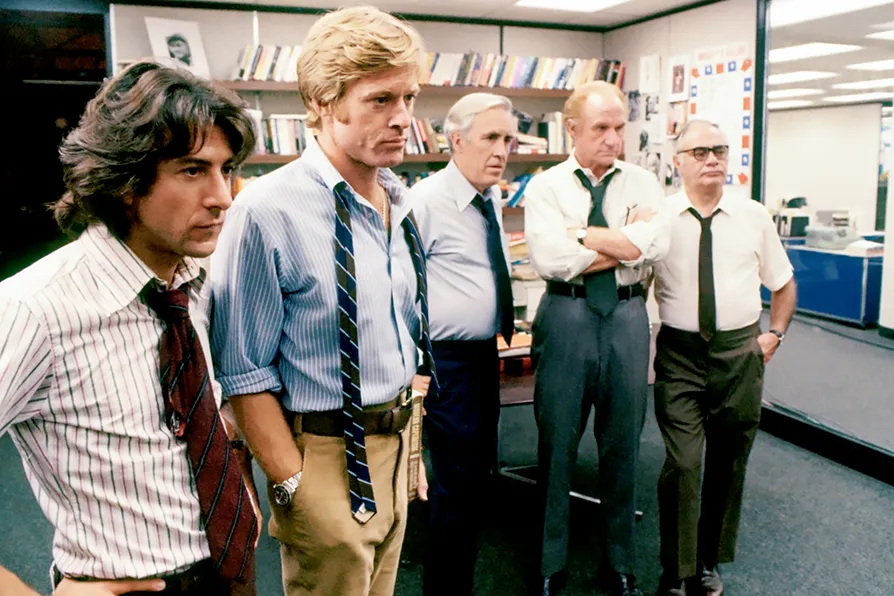
SETH SANDRONSKY recommends a production that looks back at the political Tinseltown in the mid-1970s when US cinema ‘didn’t pander to trends’
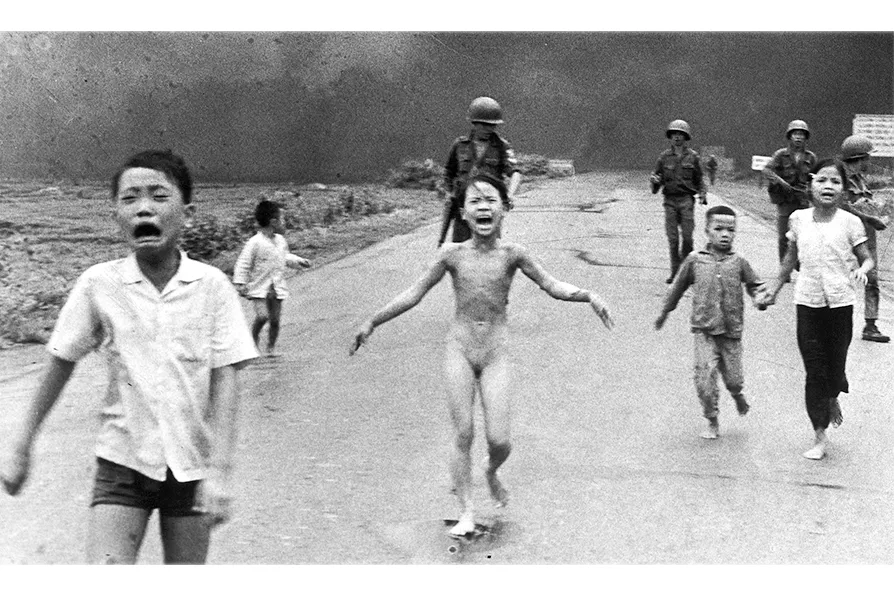
If true, the photo’s history is a damning indictment of the systematic exploitation of non-Western journalists by Western media organisations – a pattern that persists today, posit KATE CANTRELL and ALISON BEDFORD
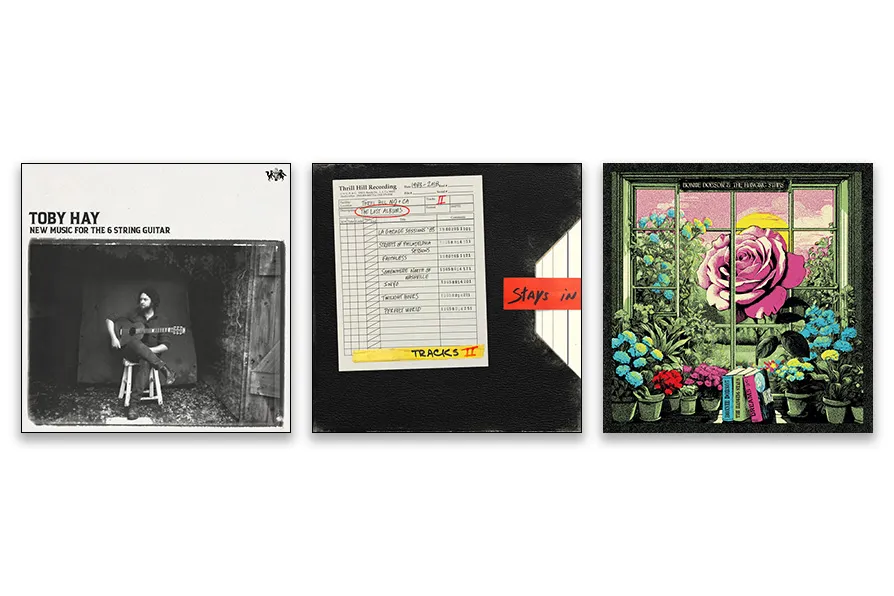
New releases from Toby Hay, Bruce Springsteen, Bonnie Dobson & The Hanging Stars