To rescue Kahlo from the clutches of the corporate art market, we need to acknowledge the overt and covert political dimensions of the work, demands GAVIN O’TOOLE


 Latest editorial
No real catharsis offered
This production’s bland ‘let’s not offend anybody’ approach could not be less appropriate in a work with such piercing and targeted acumen, writes MARY CONWAY
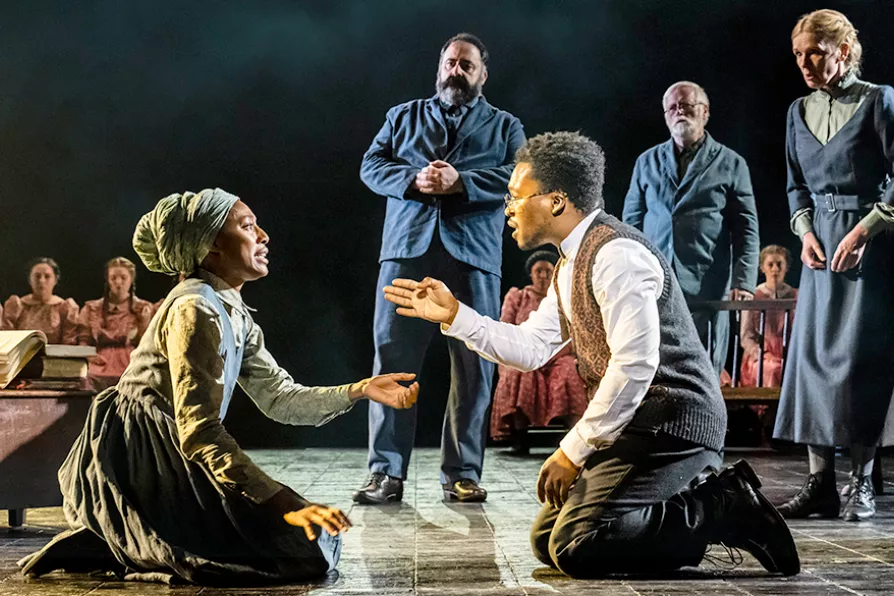 (L to R) Sophia Brown (Tituba), Fisayo Akinade (Rev. Hale), Alastair Parker (Thomas Putnam), Martin Johnston (Ensemble) and Zoe Aldrich (Ann Putnam)
[Johan Persson]
(L to R) Sophia Brown (Tituba), Fisayo Akinade (Rev. Hale), Alastair Parker (Thomas Putnam), Martin Johnston (Ensemble) and Zoe Aldrich (Ann Putnam)
[Johan Persson]
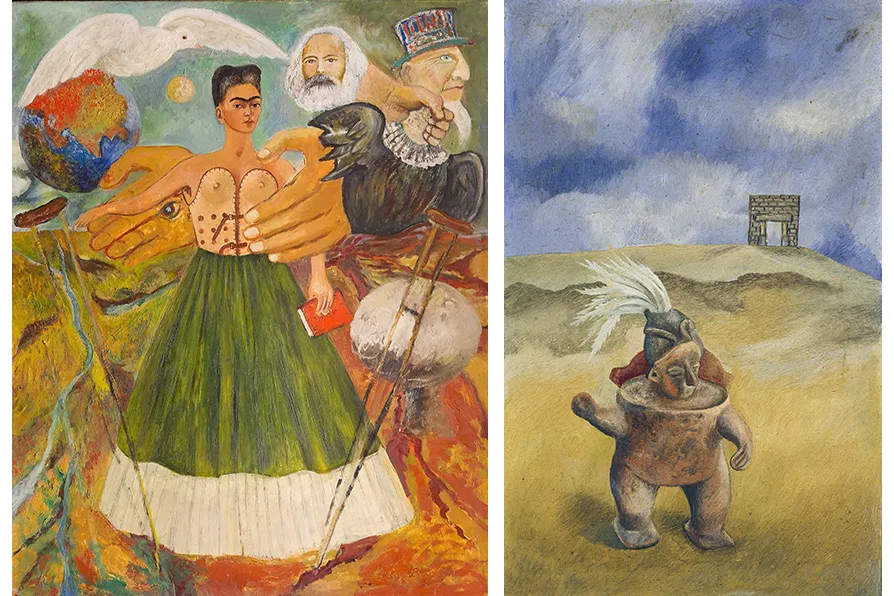
If you can see past the relentless commodification you will be rewarded by enormously powerful work, suggests JENNY MITCHELL
CHRIS SEARLE revels in the one-off collaboration between an American polymath and a British Muslim, and detects the presence of their revolutionary forebear
GORDON PARSONS revels in an ebullient production of Shakespeare’s magical comedy
BRENT CUTLER welcomes a thoughtful analysis of the Erdogan regime, viewed through the evolving history of a neighbourhood in Istanbul
GORDON PARSONS regrets the price, but is dazzled by an outstandingly ambitious study of the way art restoration in particular, and culture in general was weaponised by the Nazis





The Crucible
National Theatre
PLAYWRIGHT Arthur Miller is a towering figure of the 20th century. The Crucible is one reason why.
Written in 1953, the play transports us to late 17th-century Massachusetts and the infamous Salem witch trials. It’s a magnificent tale, rooted in those early years of the American dream when the quest for religious tolerance and individual freedom clashed with the tyranny of the big idea and the spawning of new authority figures. The quintessential struggle between those who would impose order and obedience and those who instinctively fragment it is the source of all frenzy here.

Similar stories
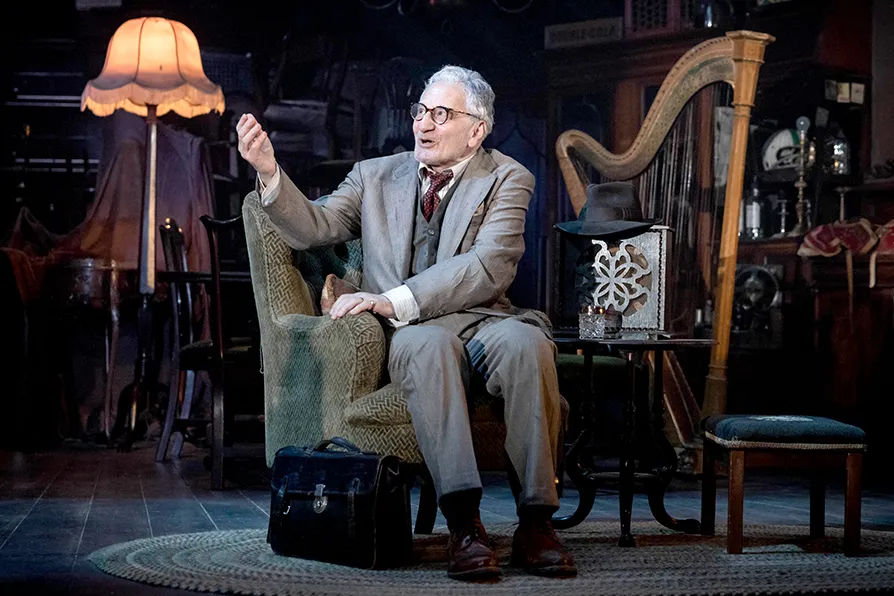
MARY CONWAY applauds the timely revival of Miller’s study of people fatally deformed by the economics of survival
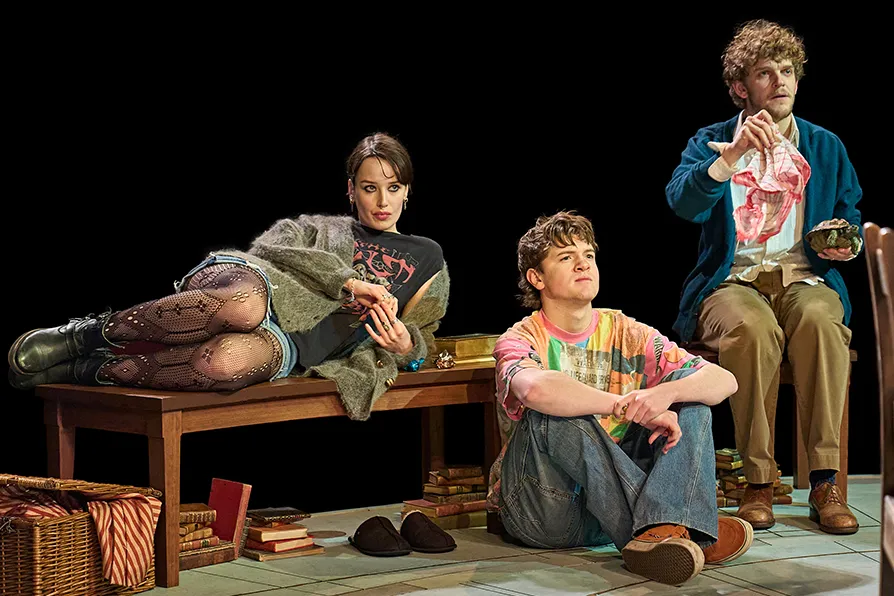
MARY CONWAY becomes impatient with the intellectual self-indulgence of Tom Stoppard in a production that is, nevertheless, total class
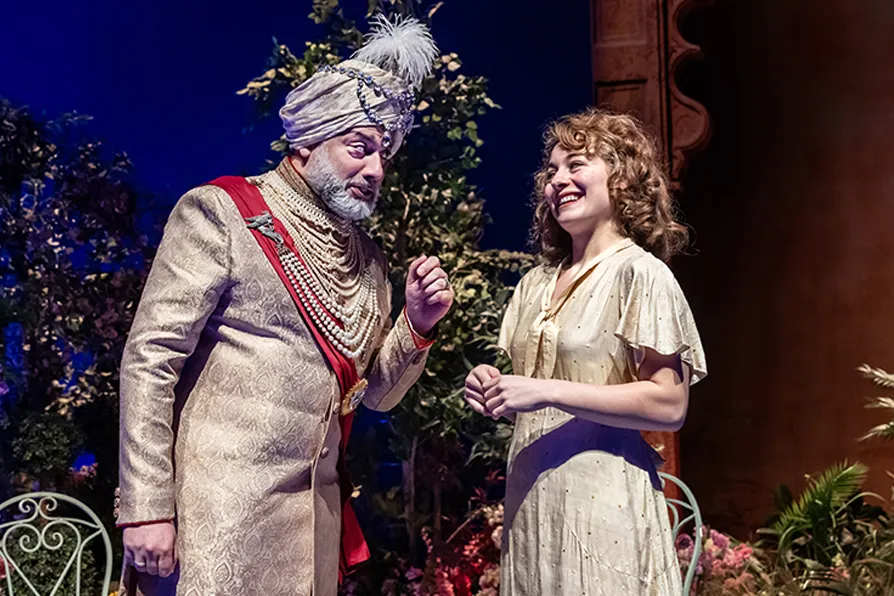
Although this production was in rehearsal before the playwright’s death, it allows us to pay homage to his life, suggests MARY CONWAY
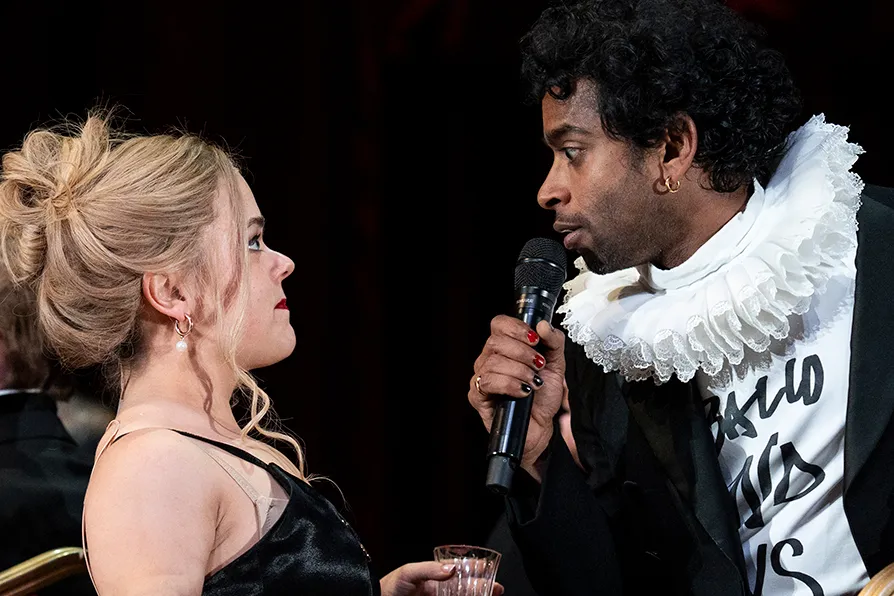
MAYER WAKEFIELD is gripped by a production dives rapidly from champagne-quaffing slick to fraying motormouth