GABRIELE NEHER draws attention to an astoundingly skilled Flemish painter who defied the notion that women cannot paint like men


 Latest editorial

‘I can’t see the old antiquated structures of imperial Britain delivering the goods for anyone’
Daniel Powell speaks with IRVINE WELSH about writing, politics and rave culture
 Irvine Welsh takes part in a charity walk down Edinburgh's Royal Mile, to help launch the Hoof It to Hyderabad Challenge for the Scottish Love In Action charity

The Bard pays homage to Hull’s finest promoter and venue, and awards Douze Points to Laibach
KEVIN DONNELLY outlines how the bourgeois institutions inhibit our ability to to view art in revolutionary ways, and suggests some tactics to overturn it
ANDY HEDGECOCK welcomes an accessible - and optimistic - take on our relationship to new technology
JOHN GREEN suggests that a new, biased, and highly readable re-hash of the story of the Cambridge Five be taken with a large pinch of salt
BRENT CUTLER welcomes a timely reminder of the long history of protests and the outdoor spaces in which they takes place





RISING to fame in the mid ’90s, Irvine Welsh produced writing that captured the essence of a raw vernacular language in conversations and events around not only his hometown of Leith, Edinburgh, or London — to where he moved in the ’80s finding punk and acid house scenes — but also resonating with readers on a truly global scale.
If you ever have the delight of finding a copy of his debut novel, Trainspotting, in a French edition — and wonder how translators tackled words such as “bampot,” “swedge,” “radge,” “weedgie” and “gadgie” — then spare a thought for the person who had the task of adapting Welsh’s book into Chinese, likesay.
Trainspotting was perhaps received as a mostly drug-themed story — yet within the narrative and candid style, there is an undercurrent reflecting the realities of a dispossessed generation that still resonates today.

Similar stories
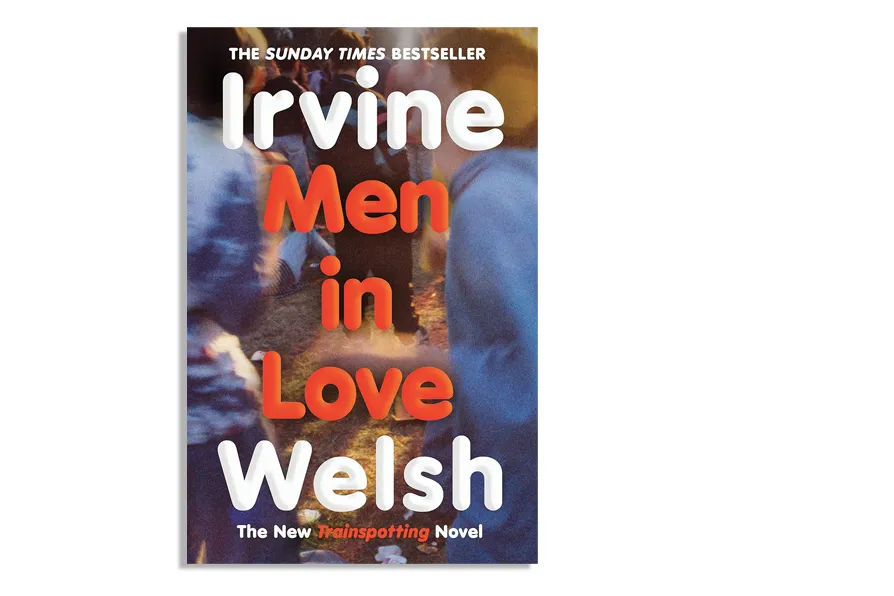
The book feels like a writer working within his limits and not breaking any new ground, believes KEN COCKBURN

Our housing crisis isn’t an accident – it’s class war, trapping millions in poverty while landlords and billionaires profit. To solve it, we need comprehensive transformation, not mere tokenistic reform, writes BECK ROBERTSON
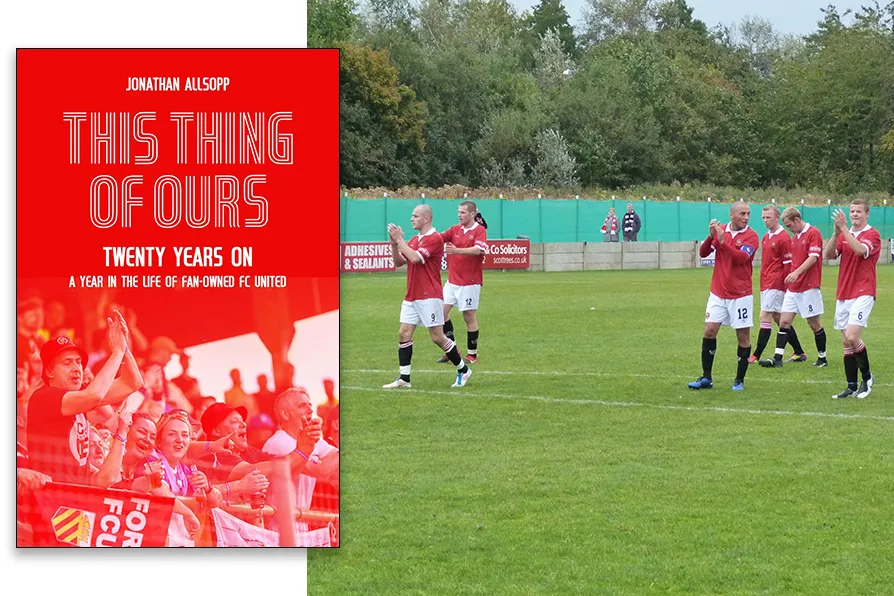
STEVEN ANDREW welcomes a fine introduction to FC United of Manchester, the team set up in opposition to Manchester United
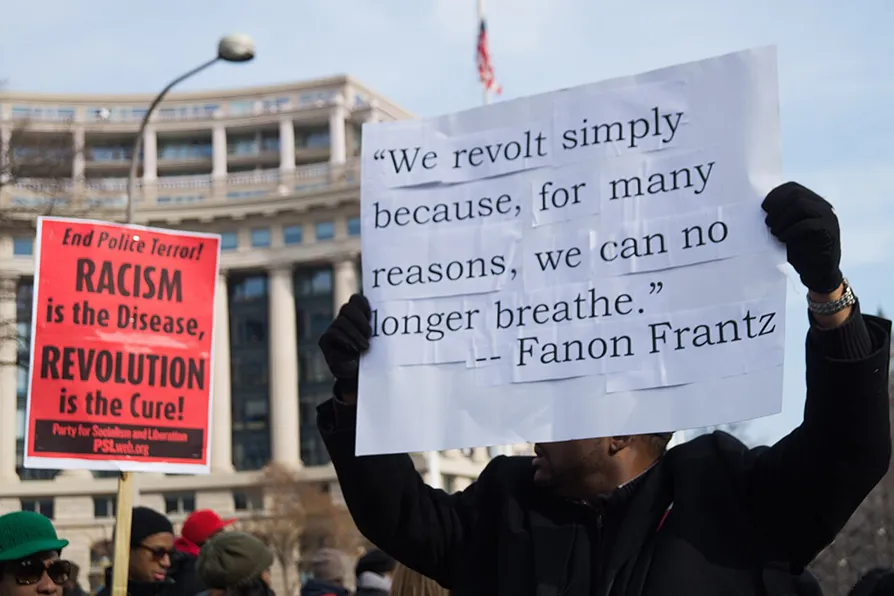
On the centenary of the birth of the anti-colonial thinker and activist Frantz Fanon, JENNY FARRELL assesses his enduring influence