All the evidence shows voters want Labour to shift to the left — but initial signs from Andy Burnham are worrying on that front, cautions DIANE ABBOTT


 Latest editorial
The Tories' ‘minimum service levels’ legislation could face legal challenge
The government's current proposals to force transport unions to effectively break their own strikes may go against legally binding post-Brexit trade agreements — but we cannot fix this in the courts alone, write KEITH EWING and LORD JOHN HENDY KC


ANDY McDONALD MP says Labour must show it is capable of delivering real improvements in people’s lives — bold action is required
ANGUS REID and ANDREW JOHNSTONE report on an initiative that we must take this summer
ALLISON FEWTRELL on what Plaid Cymru's historic election victory means for the communities being failed by Wales’s housing crisis, and four things the new government can do right now
France Insoumise MP JEROME LEGAVRE speaks to Christophe Domec on building the Europe-wide peace movement that came together in the International Conference Against War last weekend
At last weekend’s International Conference Against War, LINDA PENTZ GUNTER talks to the Palestinian physician and politician about the struggles ahead to achieve a truly free Palestine





IN an earlier article on the Transport Strikes (Minimum Service Levels) Bill recently introduced by the government, we drew attention to the bizarre proposal that employers and trade unions should negotiate minimum service agreements.
The duty is to apply even where a trade union is not recognised by the employer for collective bargaining. Failure to reach an agreement will lead to the Central Arbitration Committee being summoned to do the government’s bidding by making a minimum service determination.
In this article, we examine another aspect of the Bill, together with the government’s claim that the legislation can be justified by reference to practice in other countries — specifically France and Spain — where it is said minimum service requirements already exist.

Similar stories
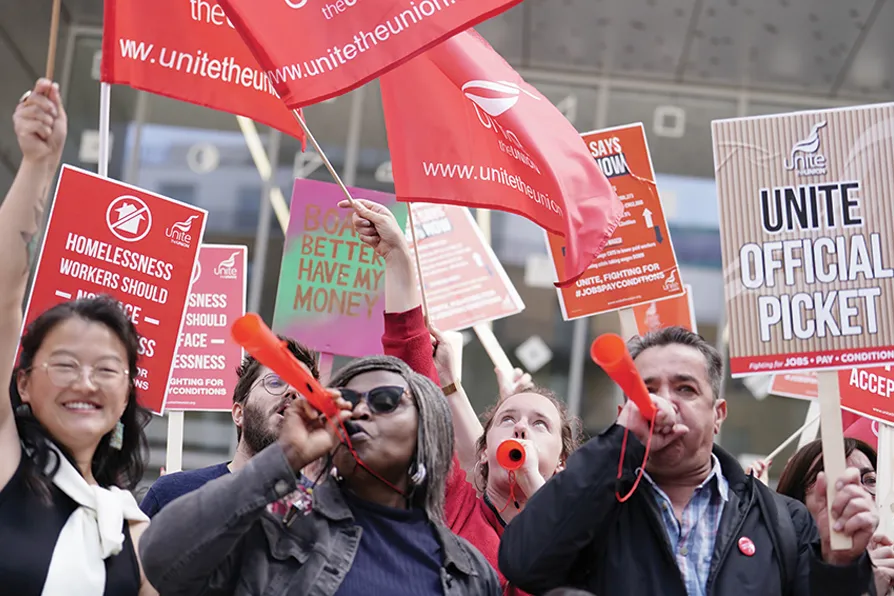
The unions are unhappy with the Employment Rights Act 2025 and with good reason. KEITH EWING and Lord JOHN HENDY KC take a close look at why the Bill promised more than it delivered
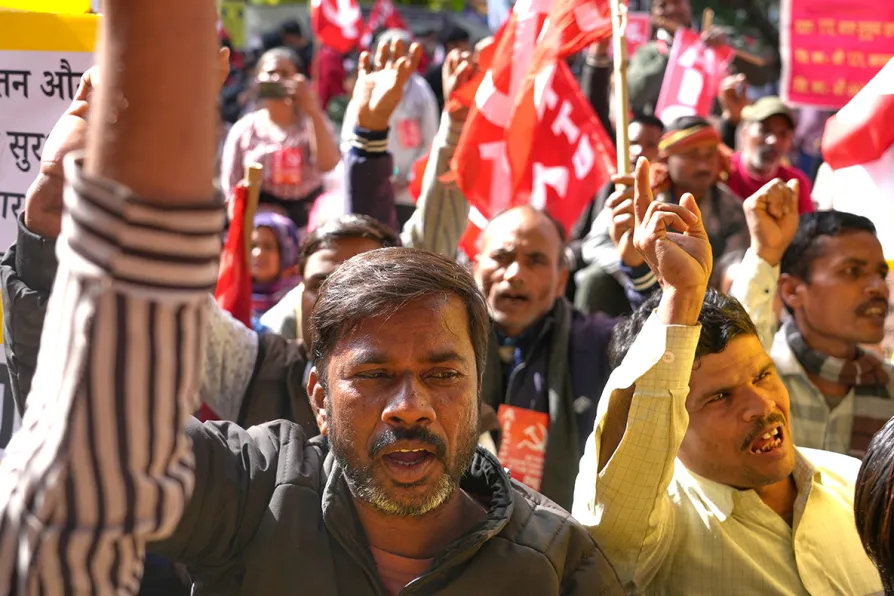
The biggest strike in global history is a template for our future. The silence tells you all you need to know, writes CLAUDIA WEBBE

The Bill addresses some exploitation but leaves trade unions heavily regulated, most workers without collective bargaining coverage, and fails to tackle the balance of power that enables constant mutation of bad practice, write KEITH EWING and LORD JOHN HENDY KC

It is only trade union power at work that will materially improve the lot of working people as a class but without sector-wide collective bargaining and a right to take sympathetic strike action, we are hamstrung in the fight to tilt back the balance of power, argues ADRIAN WEIR