All the evidence shows voters want Labour to shift to the left — but initial signs from Andy Burnham are worrying on that front, cautions DIANE ABBOTT


 Latest editorial
China’s ‘common prosperity’ agenda
China’s rich apparently don’t like it, Western commentators call it suicidal — so what exactly is this ‘common prosperity’ that Xi Jinping is promoting in his third term as leader? In part two of three-part series, JENNY CLEGG explains
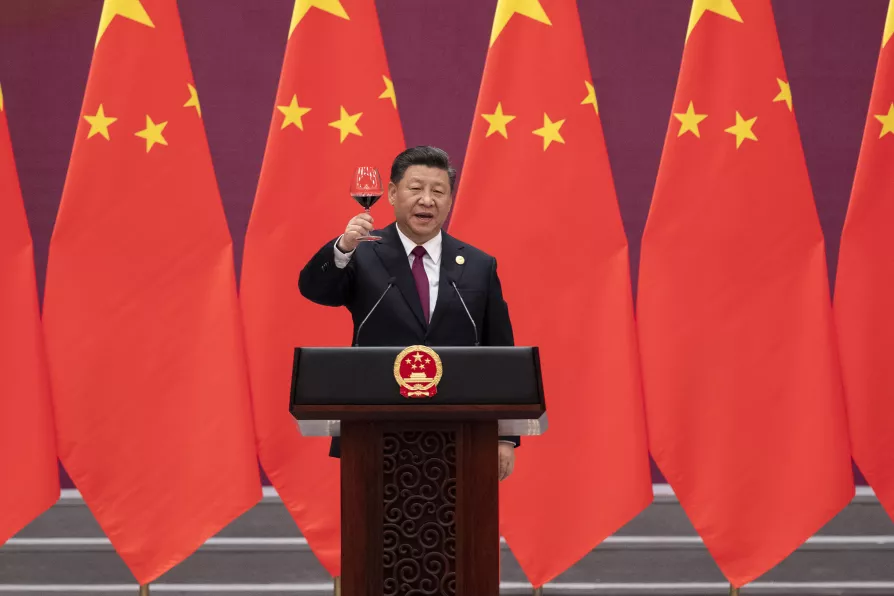 China’s immediate priority is to upgrade its technology. Escaping the dead end of trading cheap labour exports for high-end imports means pouring investment into skills and science, innovating new technologies to drive the industrialisation of the future.

ANDY McDONALD MP says Labour must show it is capable of delivering real improvements in people’s lives — bold action is required
ANGUS REID and ANDREW JOHNSTONE report on an initiative that we must take this summer
ALLISON FEWTRELL on what Plaid Cymru's historic election victory means for the communities being failed by Wales’s housing crisis, and four things the new government can do right now
France Insoumise MP JEROME LEGAVRE speaks to Christophe Domec on building the Europe-wide peace movement that came together in the International Conference Against War last weekend
At last weekend’s International Conference Against War, LINDA PENTZ GUNTER talks to the Palestinian physician and politician about the struggles ahead to achieve a truly free Palestine





FIRST mentioned by Mao Zedong in 1953 in China’s transition to socialism, the phrase “common prosperity” was also used by Deng Xiaoping — his call for some to “get rich first” always qualified with the phrase “so that they can help others to catch up.”
Now Xi is taking “common prosperity” as a defining feature of China’s socialist modernisation — at the core of the two-stage plan, laying a basic socialist foundation by 2035 to then advance to modern socialism by 2049, the 100th anniversary of the founding of the People’s Republic of China.
The gap between rich and poor is to be reduced, but what common prosperity is not is an equalisation of incomes or a radical redistribution from the rich to the poor. Xi talks rather of increasing the incomes of low-income earners and expanding the size of the middle-income group.

Similar stories

The HS2 debacle exposes what happens when public infrastructure is handed to private contractors – especially when set against China’s state-led high-speed rail success, says CARLOS MARTINEZ
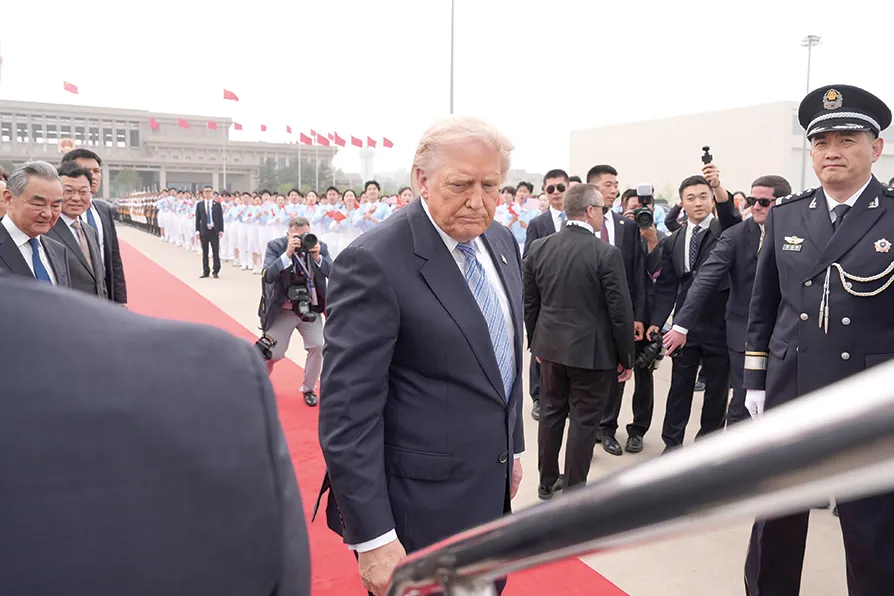
JENNY CLEGG looks at the key points that defined the China-US relationship, for now

In Part 4 of her look at the Chinese revolution JENNY CLEGG addresses the relationship between the Peasant Movement and the National Movement