All the evidence shows voters want Labour to shift to the left — but initial signs from Andy Burnham are worrying on that front, cautions DIANE ABBOTT


 Latest editorial
Human Rights is a tremendous dream
VIJAY PRASHAD marks Human Rights Day by reflecting that narrow Western definitions have robbed the term of much of its import
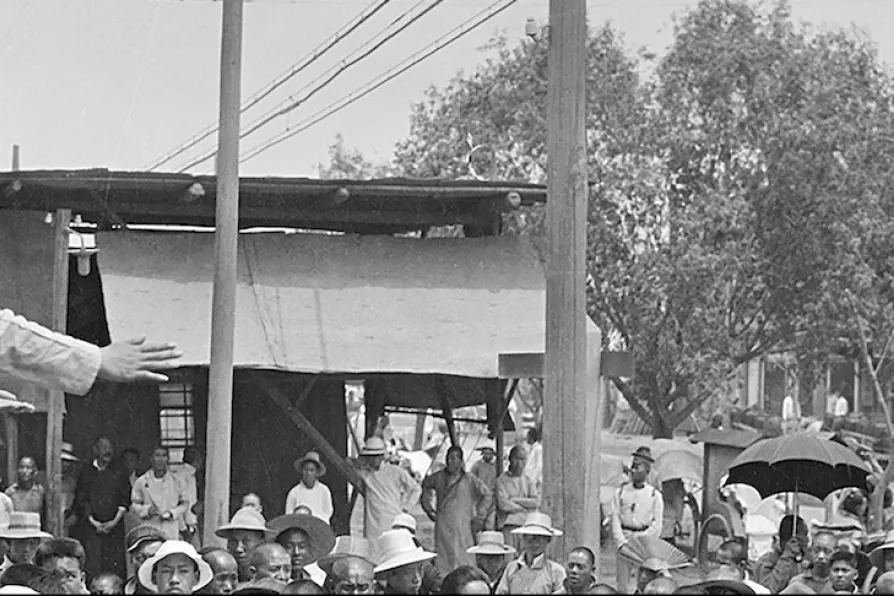 SEISMIC CHANGE: The May Fourth Movement radicalised China as the general urban population became involved in political demonstrations and many future Communist leaders were converted to Marxism.
[Sidney David Gamble / Public domain]
SEISMIC CHANGE: The May Fourth Movement radicalised China as the general urban population became involved in political demonstrations and many future Communist leaders were converted to Marxism.
[Sidney David Gamble / Public domain]

ANDY McDONALD MP says Labour must show it is capable of delivering real improvements in people’s lives — bold action is required
ANGUS REID and ANDREW JOHNSTONE report on an initiative that we must take this summer
ALLISON FEWTRELL on what Plaid Cymru's historic election victory means for the communities being failed by Wales’s housing crisis, and four things the new government can do right now
France Insoumise MP JEROME LEGAVRE speaks to Christophe Domec on building the Europe-wide peace movement that came together in the International Conference Against War last weekend
At last weekend’s International Conference Against War, LINDA PENTZ GUNTER talks to the Palestinian physician and politician about the struggles ahead to achieve a truly free Palestine




WIDTH of imagination is necessary to grasp the fullness of the dream of human rights. The idea emerges slowly, driven by the hunger of the vast majority of the world’s people.
Revolutions in the early years of the 20th century (Mexico, 1911; Persian empire, 1911; Ireland, 1916; tsarist empire, 1917) brought the old ideas of equality to life, making it perfectly possible that older social rigidities and economic destitution could be swept away. Crush the crowns underfoot, chanted the republicans, while others, the trade unions and the socialists, wanted to set aside the capitalists and establish an egalitarian social order.
It was generally understood — as far back as during the French Revolution (1789) and the Haitian Revolution (1804) — that the wretchedness of hierarchy must be overthrown. The problem before dreamers of various sorts was how to get rid of monarchs and factory-owners and yet build a world that was not going to slip back into chaos and poverty. That’s where Karl Marx came in.

Similar stories
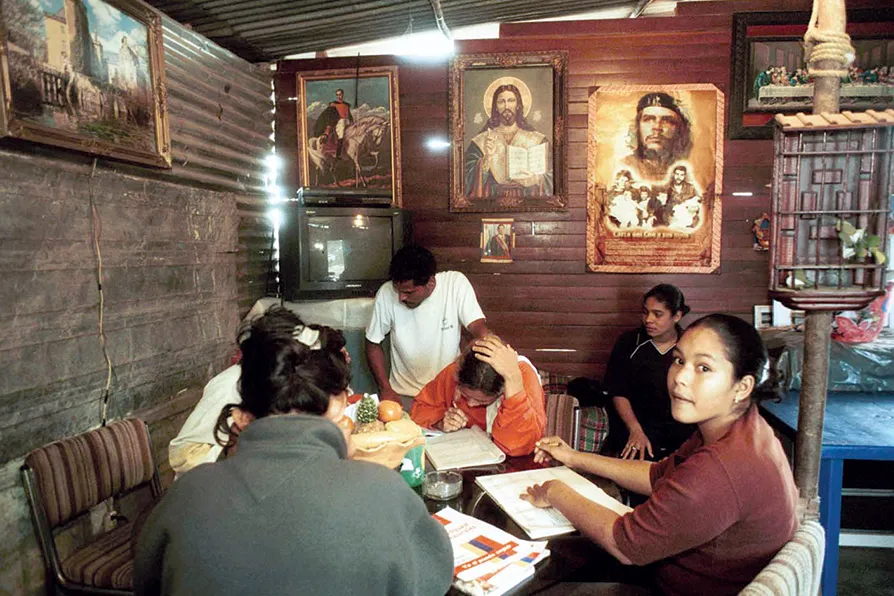
ISAAC SANEY points to the global stakes involved in defending the Cuban revolution against imperialism and calls for resistance
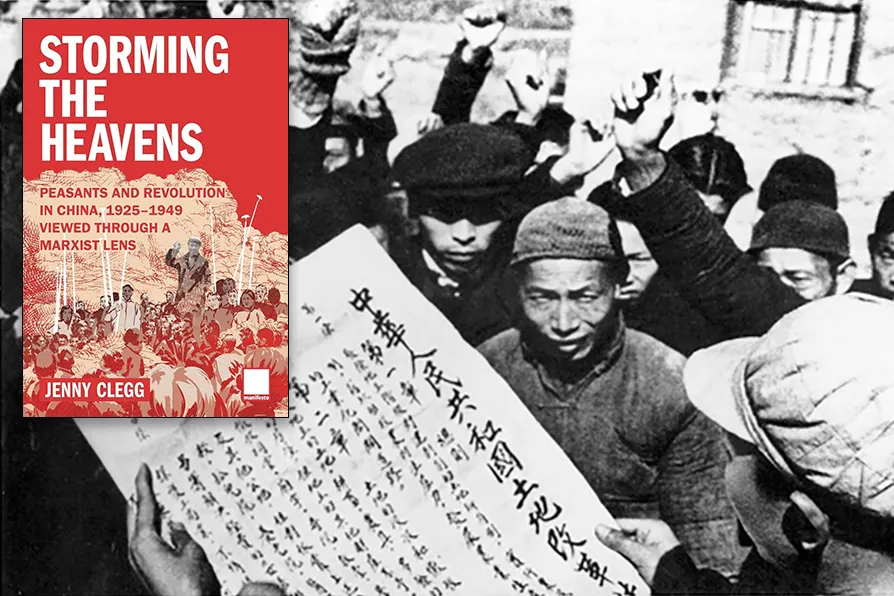
BEN CHACKO welcomes a masterful analysis that puts class struggle back at the heart of our understanding of China’s revolution
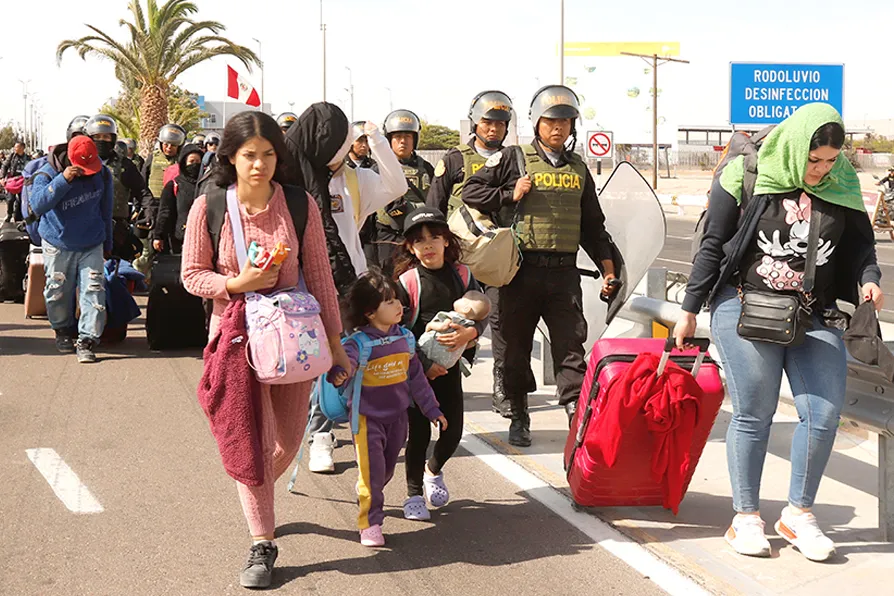
Far-right forces are rising across Latin America and the Caribbean, armed with a common agenda of anti-communism, the culture war, and neoliberal economics, writes VIJAY PRASHAD
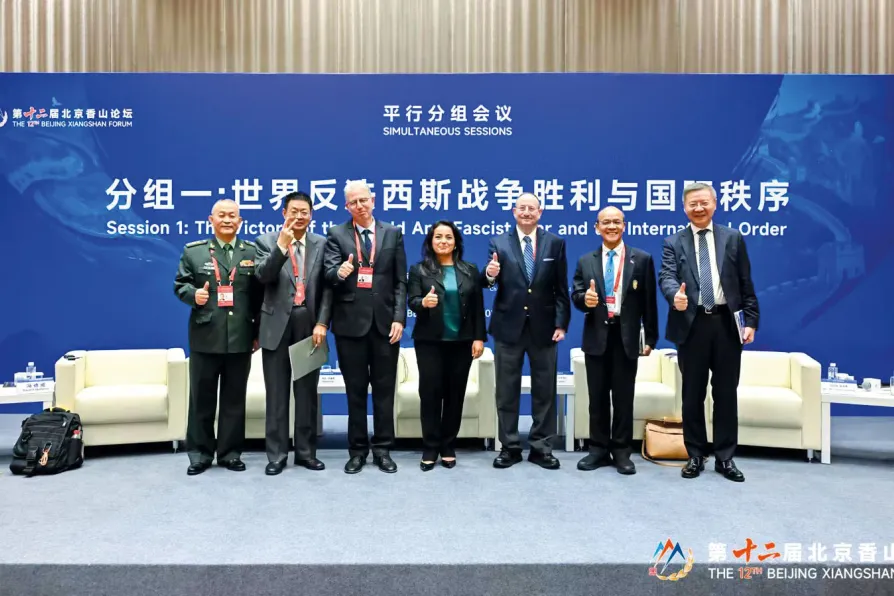
In a speech to the 12th Xiangshan Forum in Beijing, SEVIM DAGDELEN warns of a growing historical revisionism to whitewash Germany and Japan’s role in WWII as part of a return to a cold war strategy from the West — but multipolarity will win out