All the evidence shows voters want Labour to shift to the left — but initial signs from Andy Burnham are worrying on that front, cautions DIANE ABBOTT


 Latest editorial
The travesty of liberal Christmas — from Ebenezer Scrooge to Simon Thompson
Despite being possibly the most popular Christmas story after Jesus's birthday, the political logic of A Christmas Carol — that poverty is not justified punishment for indolence — still escapes Britain's bosses, writes KEITH FLETT
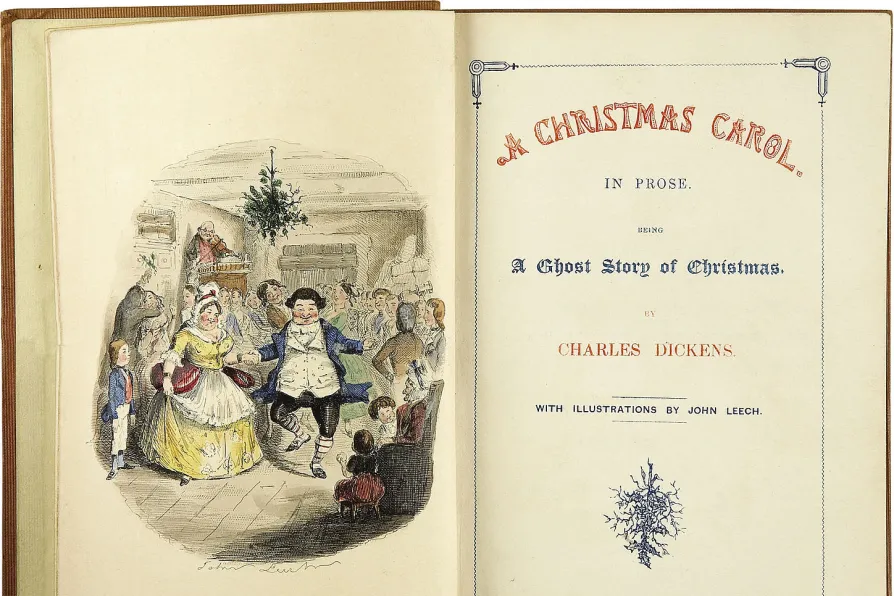 A TALE AGAINST THE RICH: Charles Dicken's most famous work in its first edition, 1843

ANDY McDONALD MP says Labour must show it is capable of delivering real improvements in people’s lives — bold action is required
ANGUS REID and ANDREW JOHNSTONE report on an initiative that we must take this summer
ALLISON FEWTRELL on what Plaid Cymru's historic election victory means for the communities being failed by Wales’s housing crisis, and four things the new government can do right now
France Insoumise MP JEROME LEGAVRE speaks to Christophe Domec on building the Europe-wide peace movement that came together in the International Conference Against War last weekend
At last weekend’s International Conference Against War, LINDA PENTZ GUNTER talks to the Palestinian physician and politician about the struggles ahead to achieve a truly free Palestine





CHARLES DICKENS wrote A Christmas Carol at remarkable speed, and it was published on December 19 1843. It had already sold 5,000 copies before Christmas Day that year — in a decade that was known as the Hungry Forties. The similarities with modern “foodbank Britain” are striking.
In Dickens’s book, Ebenezer Scrooge runs a financial business off Cornhill in the heart of the City of London, and the author takes us to his counting house on Christmas Eve.
Scrooge is in one office and across the way is his clerk Bob Cratchit. The office is barely heated, Scrooge being frugal in most things.

Similar stories
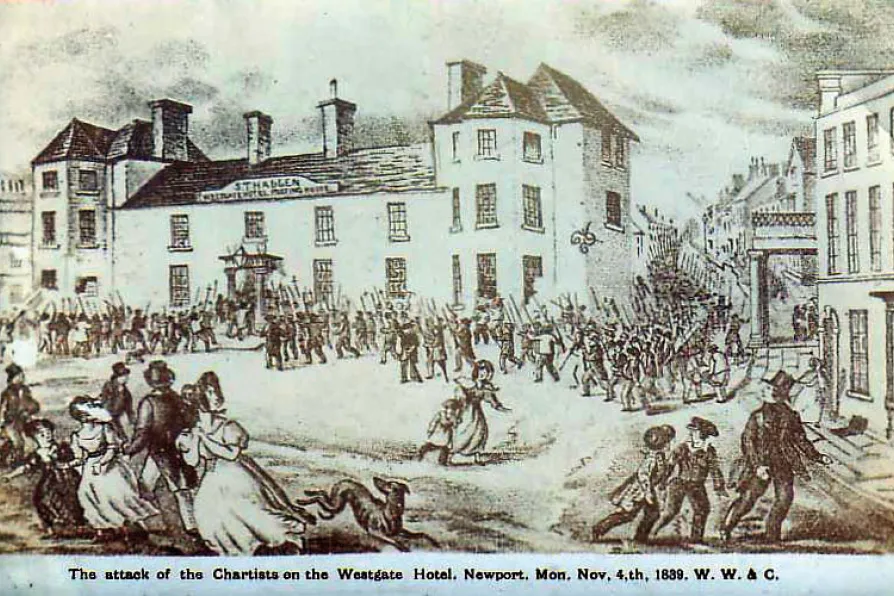
It’s not just the Starmer regime: the workers of Britain have always faced legal affronts on their right to assemble and dissent, and the Labour Party especially has meddled with our freedoms from its earliest days, writes KEITH FLETT

Royal Mail’s job quality has plummeted, with gruelling hours, two-tier pay, intense surveillance, and poor work-life balance for postal workers — but our union is fighting back, writes CWU branch secretary JOHN CARSON
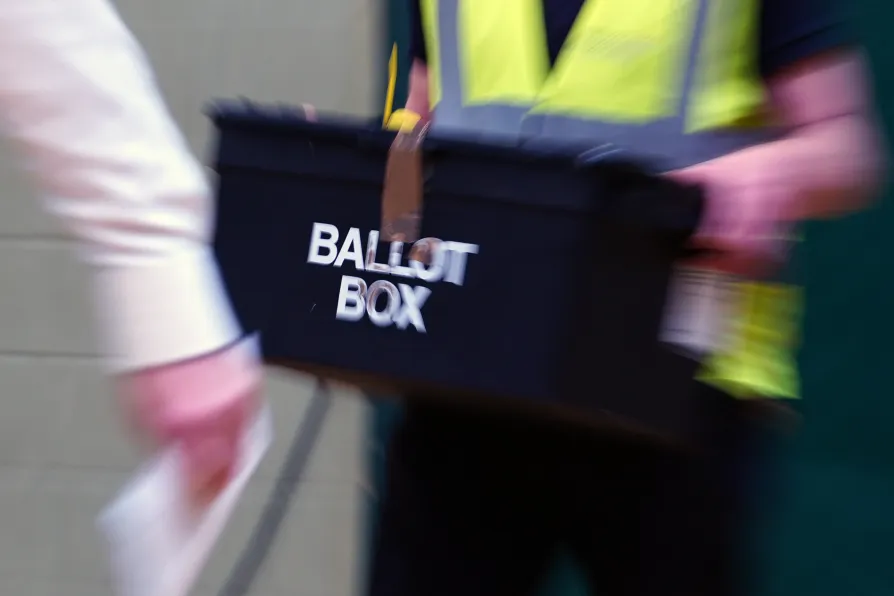
Who you ask and how you ask matter, as does why you are asking — the history of opinion polls shows they are as much about creating opinions as they are about recording them, writes socialist historian KEITH FLETT
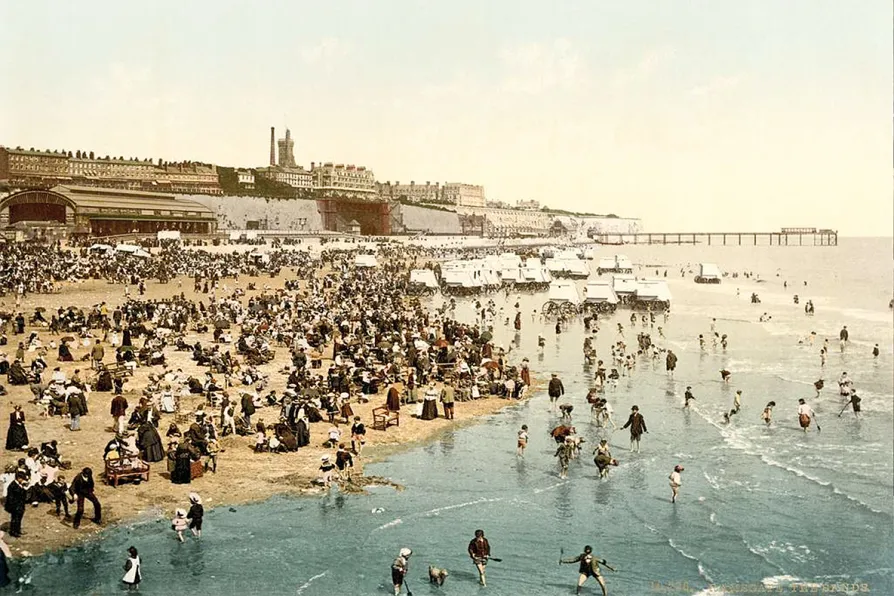
The summer saw the co-founders of modern communism travelling from Ramsgate to Neuenahr to Scotland in search of good weather, good health and good newspapers in the reading rooms, writes KEITH FLETT