All the evidence shows voters want Labour to shift to the left — but initial signs from Andy Burnham are worrying on that front, cautions DIANE ABBOTT


 Latest editorial
Space: what goes up might come down
ROX MIDDLETON, LIAM SHAW and JOEL HELLEWELL look at how British space technology came to be run by private companies like Virgin, despite a strong start with the state-built Goonhilly Earth Station in the 1960s
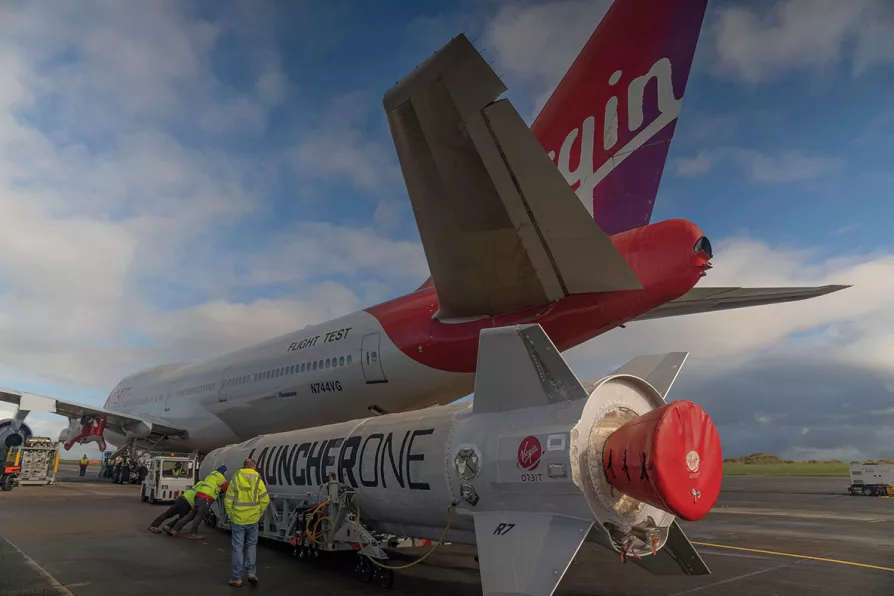 MISSION FAILED: A repurposed Virgin Atlantic Boeing 747 carrying a rocket, seen here parked at Spaceport Cornwall, was unsuccessful in its attempt to deliver several small satellites
into space last week
MISSION FAILED: A repurposed Virgin Atlantic Boeing 747 carrying a rocket, seen here parked at Spaceport Cornwall, was unsuccessful in its attempt to deliver several small satellites
into space last week
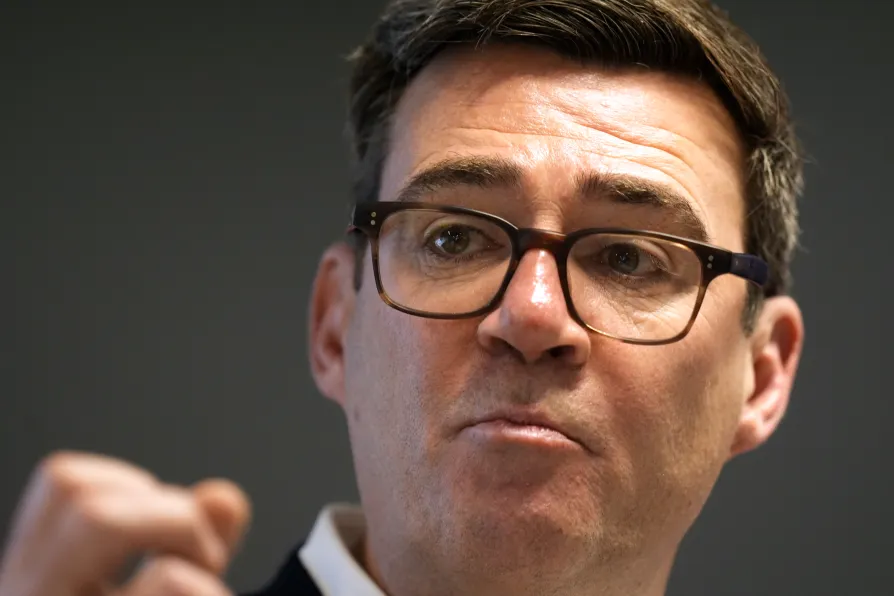
ANDY McDONALD MP says Labour must show it is capable of delivering real improvements in people’s lives — bold action is required
ANGUS REID and ANDREW JOHNSTONE report on an initiative that we must take this summer
ALLISON FEWTRELL on what Plaid Cymru's historic election victory means for the communities being failed by Wales’s housing crisis, and four things the new government can do right now
France Insoumise MP JEROME LEGAVRE speaks to Christophe Domec on building the Europe-wide peace movement that came together in the International Conference Against War last weekend
At last weekend’s International Conference Against War, LINDA PENTZ GUNTER talks to the Palestinian physician and politician about the struggles ahead to achieve a truly free Palestine





LAST week, the anticipated launch of the first satellites from Spaceport Cornwall failed. The launch technology involves a modified Boeing 747 plane with a launcher rocket fired from its wing at 35,000 feet.
The rocket successfully ignited and left the wing over the Atlantic Ocean south-west of Ireland, but an “anomaly” with the second-stage engine meant the satellites were lost with the rocket.
The launch had been heavily anticipated as a key moment for the British space industry. Though it may be entertaining to enjoy the public failure of a company associated with Richard Branson, that shouldn’t obscure the fact that this attempt was a part of a dramatic shift currently under way in space transport.

Similar stories

The HS2 debacle exposes what happens when public infrastructure is handed to private contractors – especially when set against China’s state-led high-speed rail success, says CARLOS MARTINEZ

One of the major criticisms of China’s breakneck development in recent decades has been the impact on nature — returning after 15 years away, BEN CHACKO assessed whether the government’s recent turn to environmentalism has yielded results
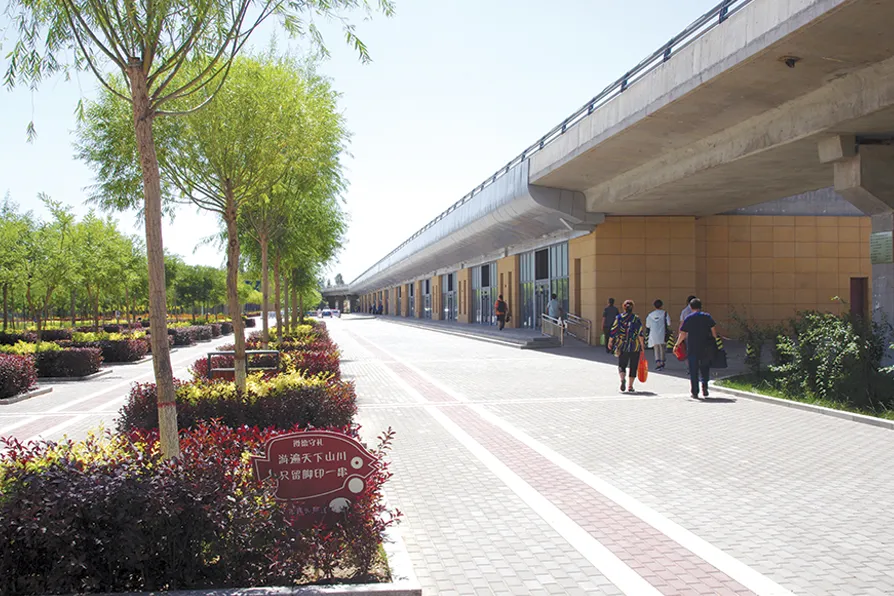
PAWEL WARGAN juxtaposes the thriving industrial centre Jiayuguan in China, with the prevailing images of decaying East European great industrial cities