All the evidence shows voters want Labour to shift to the left — but initial signs from Andy Burnham are worrying on that front, cautions DIANE ABBOTT


 Latest editorial
Winds of the new cold war are howling in the Arctic
Since the Russian invasion of Ukraine, a number of countries – under pressure from Nato – have withdrawn from the multilateral Arctic Council, reports VIJAY PRASHAD
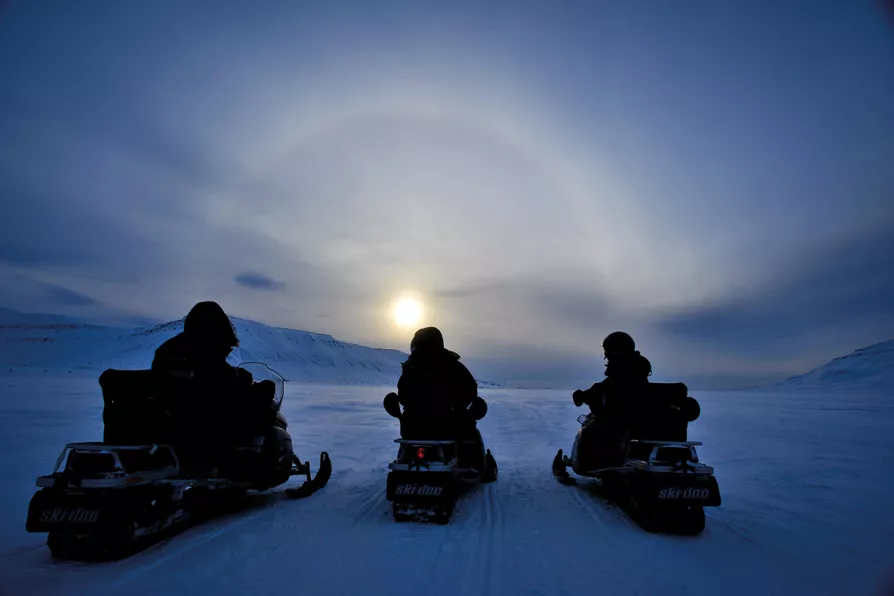 ICY: People on ski-doo’s admire an optical ‘halo’ produced by ice crystals in cirrus clouds high in the upper troposphere, on the island of Spitsbergen on the Svalbard archipelago in the Arctic Circle

ANDY McDONALD MP says Labour must show it is capable of delivering real improvements in people’s lives — bold action is required
ANGUS REID and ANDREW JOHNSTONE report on an initiative that we must take this summer
ALLISON FEWTRELL on what Plaid Cymru's historic election victory means for the communities being failed by Wales’s housing crisis, and four things the new government can do right now
France Insoumise MP JEROME LEGAVRE speaks to Christophe Domec on building the Europe-wide peace movement that came together in the International Conference Against War last weekend
At last weekend’s International Conference Against War, LINDA PENTZ GUNTER talks to the Palestinian physician and politician about the struggles ahead to achieve a truly free Palestine





IN 1996, the eight countries on the Arctic rim — Canada, Denmark, Finland, Iceland, Norway, Russia, Sweden and the United States — formed the Arctic Council, a journey that began in 1989 when Finland approached the other countries to hold a discussion about the Arctic environment.
The Finnish initiative led to the Rovaniemi Declaration (1991), which established the council’s precursor, the Arctic Environmental Protection Strategy.
The main concern for these governments at the time was the impact of “global pollution and resulting environmental threats” to the Arctic, which was destroying the region’s ecosystem.

Similar stories
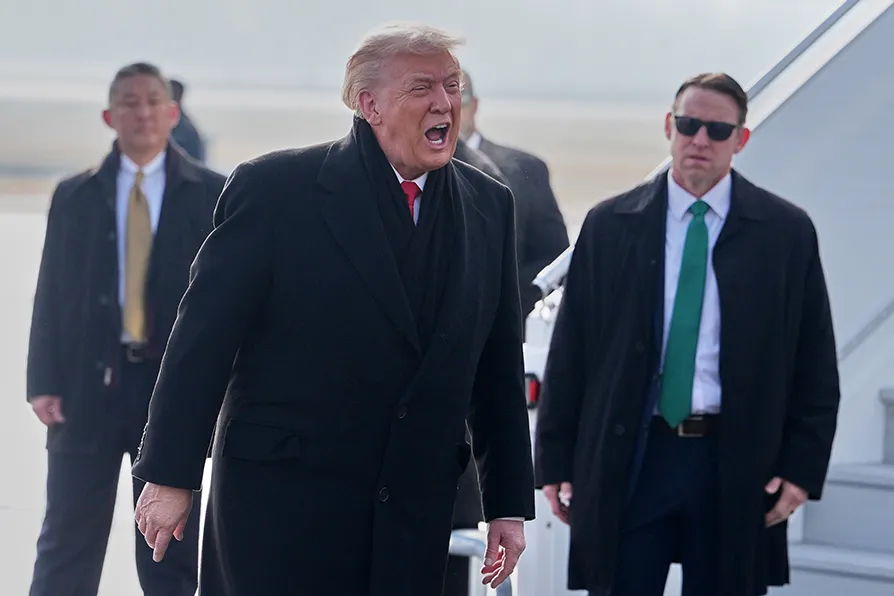
Trump’s vision of ‘might is right’ signals the collapse of the postwar order — and a warning of who may be next, warns BOB ORAM
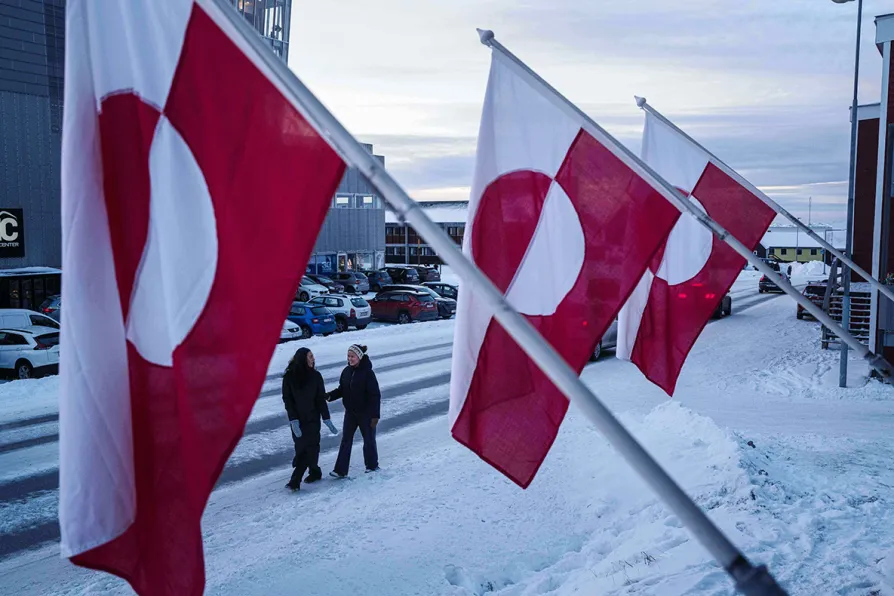
Despite opposition from Greenland’s people and Denmark, Washington intends to control the Arctic territory one way or another. Strategic dominance, mineral wealth and military power are the driving forces at play, writes ROGER McKENZIE
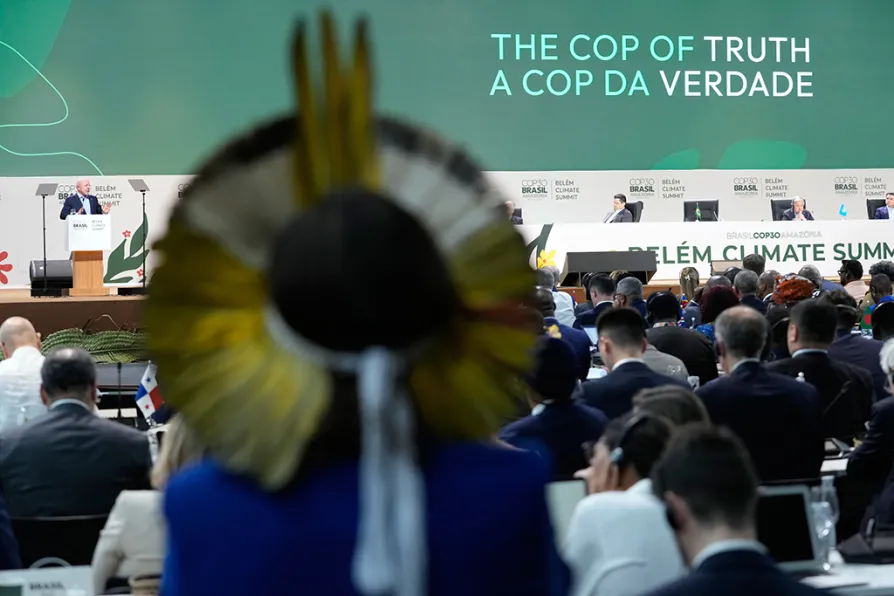
From summit to summit, imperialist companies and governments cut, delay or water down their commitments, warn the Communist Parties of Britain, France, Portugal and Spain and the Workers Party of Belgium in a joint statement on Cop30
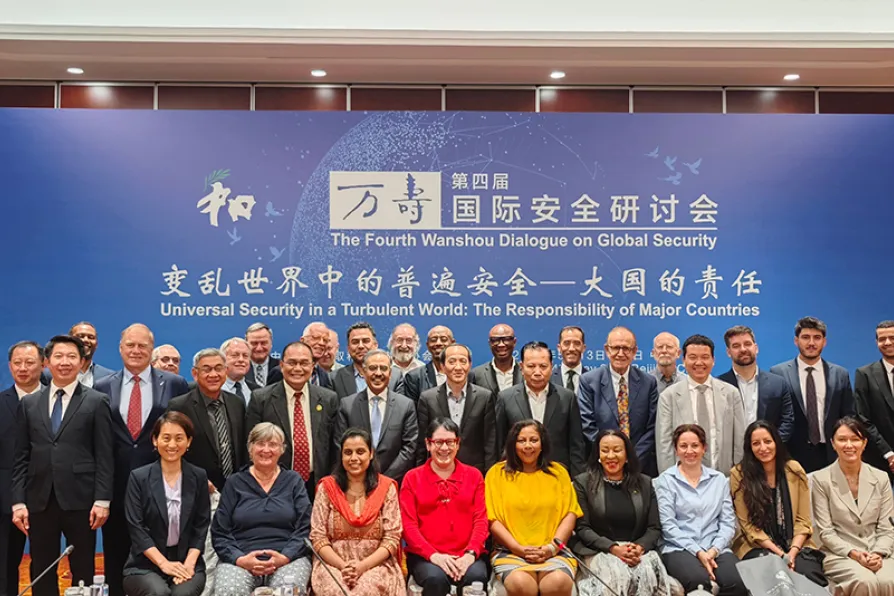
JENNY CLEGG reports from a Chinese peace conference bringing together defence ministers, US think tanks and global South leaders, where speakers warned that the erosion of multilateralism risks regional hotspots exploding into wider war