To rescue Kahlo from the clutches of the corporate art market, we need to acknowledge the overt and covert political dimensions of the work, demands GAVIN O’TOOLE


 Latest editorial
Deeply shockingly bad and irresponsible
ANGUS REID reflects on playwright Edward Bond’s aspiration to democratic theatre, and distinguishes such work from the dramas of the capitalist mainstream
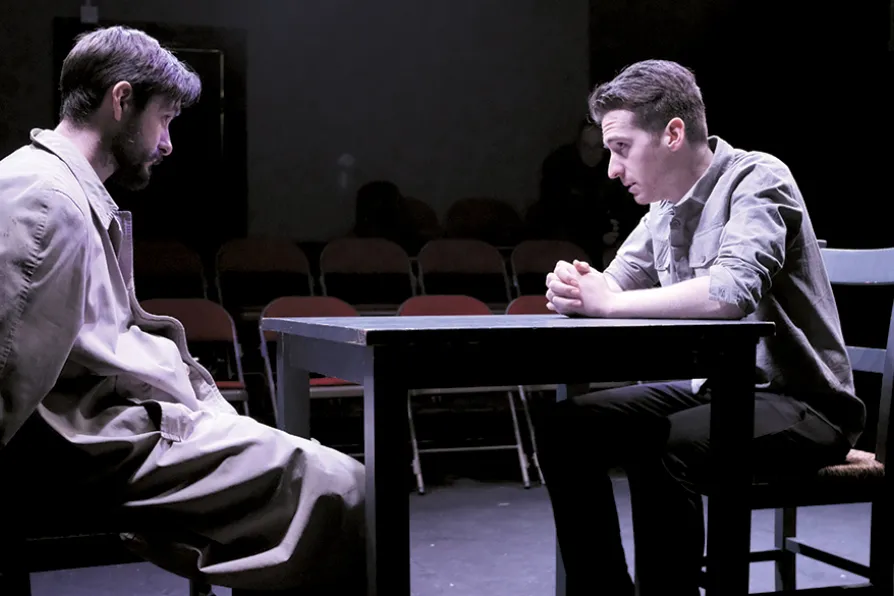 Scene from Have I None
[Francesco Codardo]
Scene from Have I None
[Francesco Codardo]
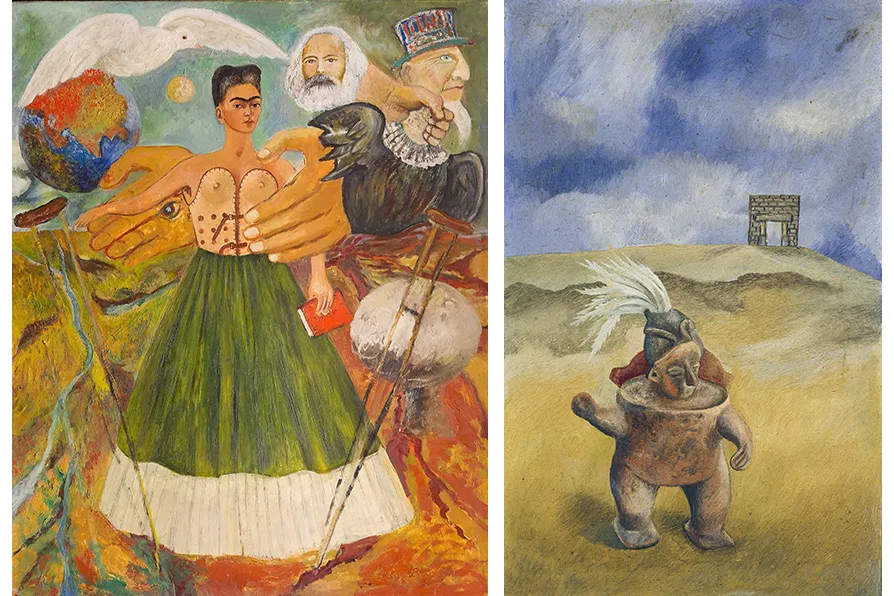
If you can see past the relentless commodification you will be rewarded by enormously powerful work, suggests JENNY MITCHELL
CHRIS SEARLE revels in the one-off collaboration between an American polymath and a British Muslim, and detects the presence of their revolutionary forebear
GORDON PARSONS revels in an ebullient production of Shakespeare’s magical comedy
BRENT CUTLER welcomes a thoughtful analysis of the Erdogan regime, viewed through the evolving history of a neighbourhood in Istanbul
GORDON PARSONS regrets the price, but is dazzled by an outstandingly ambitious study of the way art restoration in particular, and culture in general was weaponised by the Nazis





AS A companion to his recent staging of Edward Bond’s short play Have I None, the director Lewis Frost included a video interview with the playwright that gave Bond the chance to stand back and address the purpose of theatre that is ”written for humanity and not the box office” from a theoretical standpoint.
In the same way, alongside our regular arts coverage, this column invites reflection on the relationship between socialism and artistic practice.
So, what did Bond say, and how do his insights illuminate not just his own plays but others to be found in the UK theatre scene?
“I write plays,” he says, “because we need a new drama that will look us in the face so that we can know ourselves and the world we are in. Otherwise the world will destroy us.”
As a Marxist he makes a humanist argument based on the notion that industrialisation radically altered human history: “In the last three hundred years we have industrialised to such an extent that we are not physically, emotionally, intellectually or creatively prepared for what has happened to us.”
Bond is important because throughout his long career he has maintained a belief in the power of drama to create situations that address the reality of working-class lives in a direct and compelling way, and he has an unswerving commitment to such theatre.
The moving part of the interview comes when he describes a performance – almost certainly by Big Brum, the Birmingham-based theatre-in-education group – in which a teacher wished to exclude a troublesome kid from the audience.
“But the actors said: ‘No, he must come in,’ and he was let in. He sat through the play in total silence and it was unique. And afterwards… he didn’t say much, but what he said was useful and valuable. And was that because he was watching the play? No! It was because the play was listening to him. It’s the other way around. The play was listening to his problems and for once he could talk to someone, even though it was in silence.”
Bond recognises this back-to-front quality that good drama listens to the audience in the Greek tragedies that “we are still influenced by.” And why? “Because they came out of a war and said we are going to create something called democracy.”
For a play to be political and constructive, in other words, it must be aware that it is articulating reality – by whatever means – to its audience through this extraordinary mechanism of reciprocal empathy.
“There aren’t any lessons where you can teach someone to be human. All you can do is listen to that person, and that’s what good drama has to do.”
And he characterises such drama, in our era, as a form of protest against the prevailing culture of capitalism, and against its dominant code of “entertainment.”
“It’s a lie. Television is a lie. I think our culture is just one big lie and it’s very dangerous. What happens in the West End is appalling – deeply shockingly bad and irresponsible.”
And returning to the West End this week is the much lauded, much awarded NT production of The Lehman Trilogy, a historical epic that attempts to demonstrate the story of the 2008 banking crisis by following the evolution of the Lehman Brothers Bank from the arrival of a migrant with a suitcase to the transformation of that figure, generations later, into a writhing insect amidst the delirium of financial mechanisms that bet on the future and conceal sub-prime mortgages.
This production appears to address the need to grasp a universal crisis, but it poses as a critique of capitalism by adopting one of capitalist cultures most obvious survival strategies, by blaming a systemic failure on a corrupt minority. A scapegoat. To the evident approval of vast audiences in London and New York it uses a familiar trope: blaming the Jews.
Posing as a sensitive and realistic family history it commits that terrible crime: it ascribes an ethnicity to the sins of capitalism.
This anti-semitism is, in Bond’s words, “deeply shockingly bad and irresponsible.” We must be able to recognise capitalist culture as such if we are to distinguish good from bad, and to restore drama to its roots and democratic purpose.
Similar stories
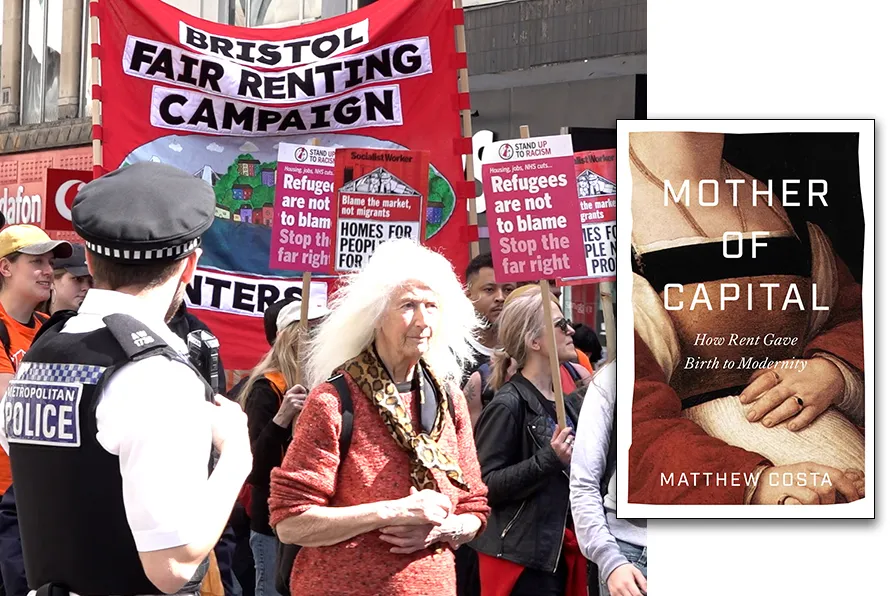
ALEX HALL is fascinated by a lucid and historically convincing account of how rent has dominated capitalist economies from feudalism to modernity
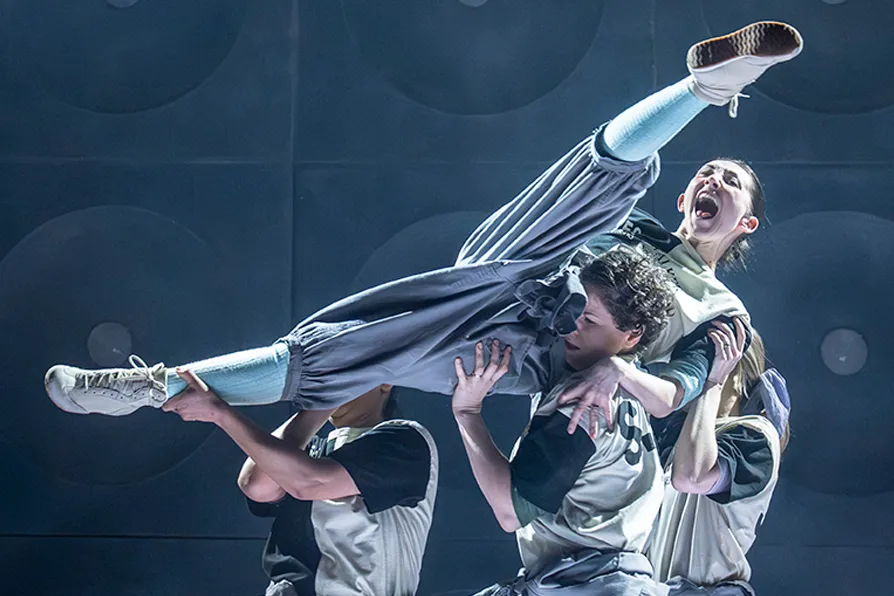
GEOFF BOTTOMS recommends an inspiring, political and bittersweet account of the munitions factory workers who are the fore-runners of the modern women’s game
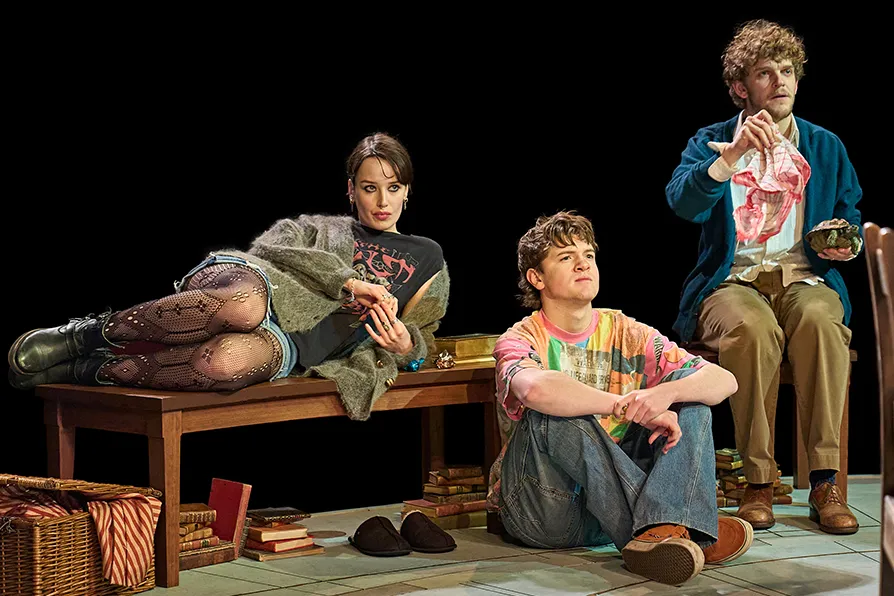
MARY CONWAY becomes impatient with the intellectual self-indulgence of Tom Stoppard in a production that is, nevertheless, total class
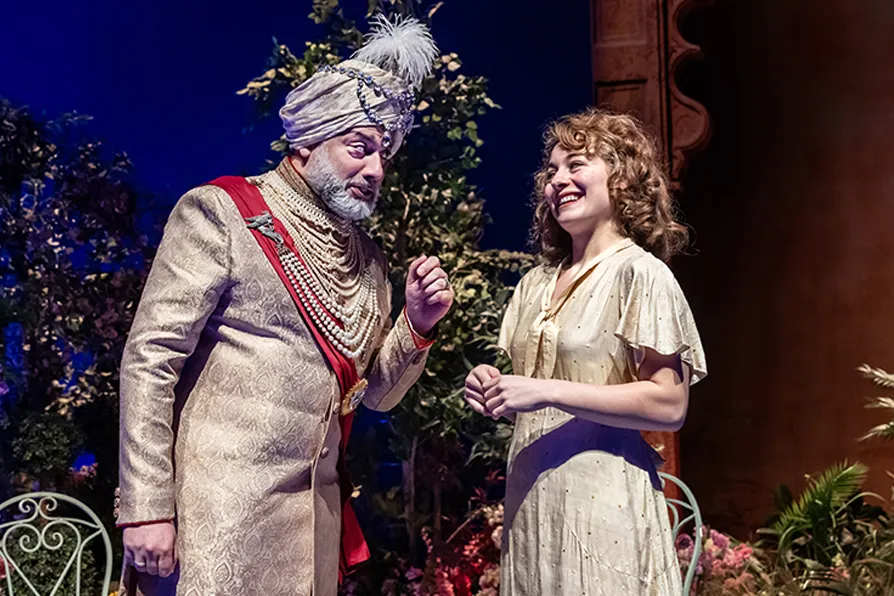
Although this production was in rehearsal before the playwright’s death, it allows us to pay homage to his life, suggests MARY CONWAY