To rescue Kahlo from the clutches of the corporate art market, we need to acknowledge the overt and covert political dimensions of the work, demands GAVIN O’TOOLE


 Latest editorial
Films by and for the people
JOHN GREEN reflects on the history of working-class access to broadcast media
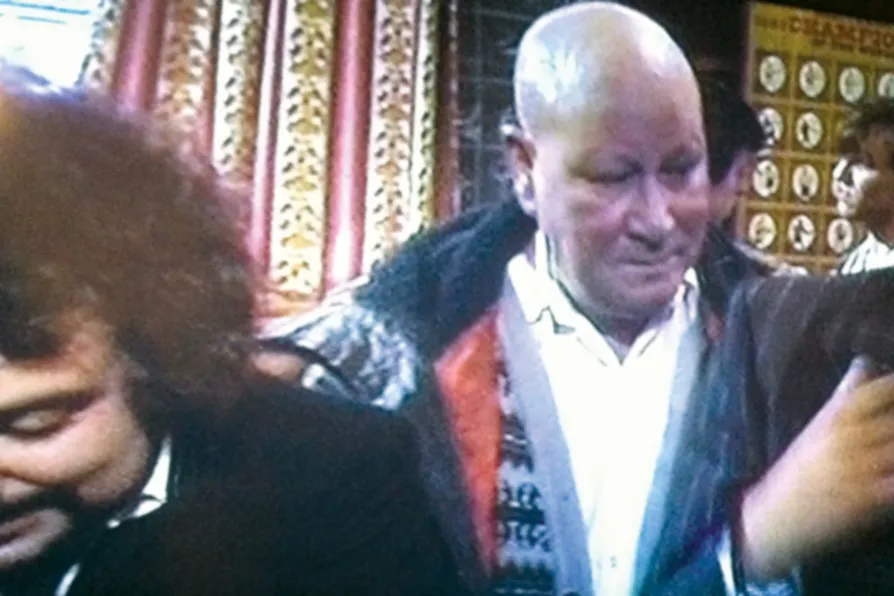 MEMORABLE: Chrissie, Shake Hands and Loggo from Boys from the Blackstuff
[Pic: DNQA/flickr/CC]
MEMORABLE: Chrissie, Shake Hands and Loggo from Boys from the Blackstuff
[Pic: DNQA/flickr/CC]
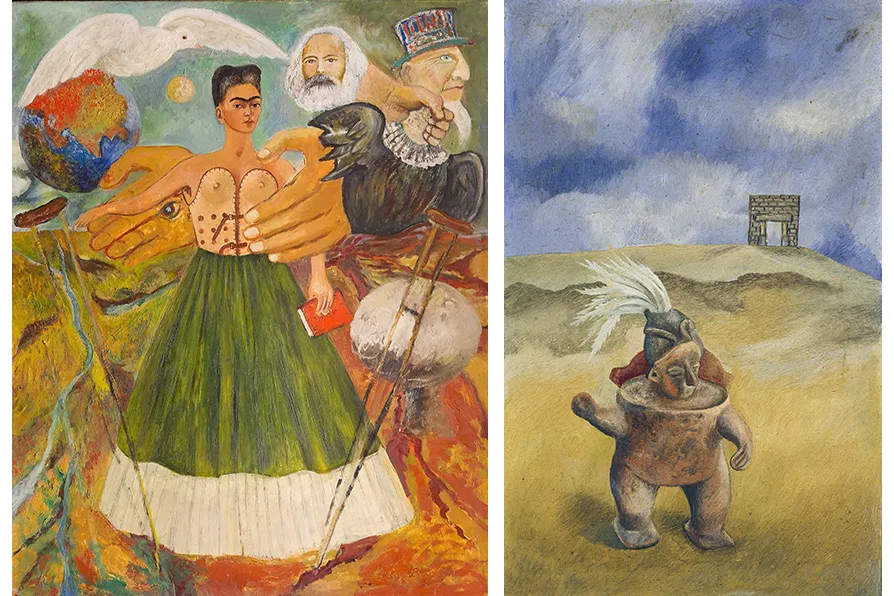
If you can see past the relentless commodification you will be rewarded by enormously powerful work, suggests JENNY MITCHELL
CHRIS SEARLE revels in the one-off collaboration between an American polymath and a British Muslim, and detects the presence of their revolutionary forebear
GORDON PARSONS revels in an ebullient production of Shakespeare’s magical comedy
BRENT CUTLER welcomes a thoughtful analysis of the Erdogan regime, viewed through the evolving history of a neighbourhood in Istanbul
GORDON PARSONS regrets the price, but is dazzled by an outstandingly ambitious study of the way art restoration in particular, and culture in general was weaponised by the Nazis





LENIN was probably the first politician to recognise the unique potential of film when he called it “the most important of the arts”. He saw its educational and propaganda possibilities.
In the early days of the Soviet Union films were used in the agit-prop trains that visited isolated and semi-literate communities throughout the vast territory of the country, showing what revolutionary changes were taking place and explaining class struggle.
In Britain, there is a long tradition of working-class film making, largely inspired by the Soviet example, but it has always been confined to the margins, largely due to the lack of finance, access to equipment and distribution networks.

Similar stories
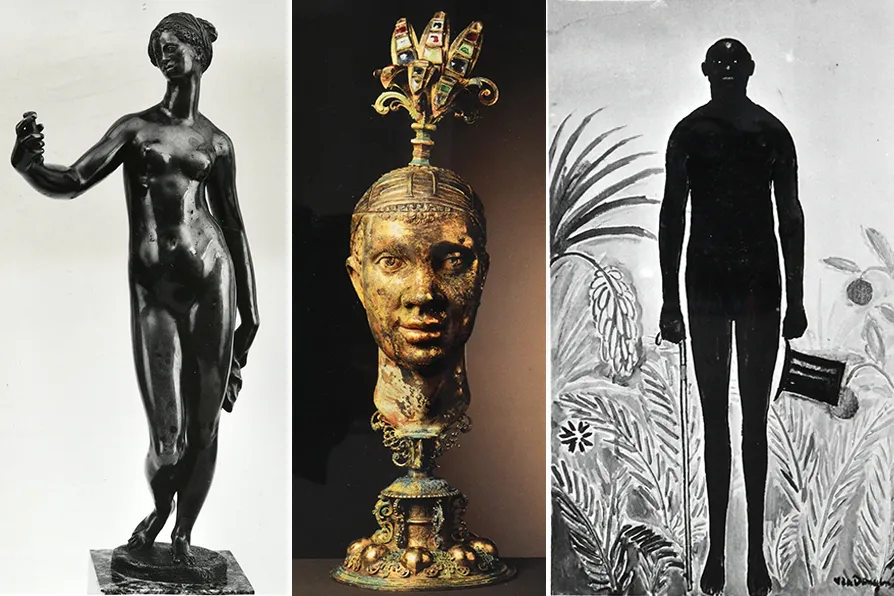
KEVIN DONNELLY accepts the invitation to think speculatively in contemplation of representations of people of African descent in our cultural heritage
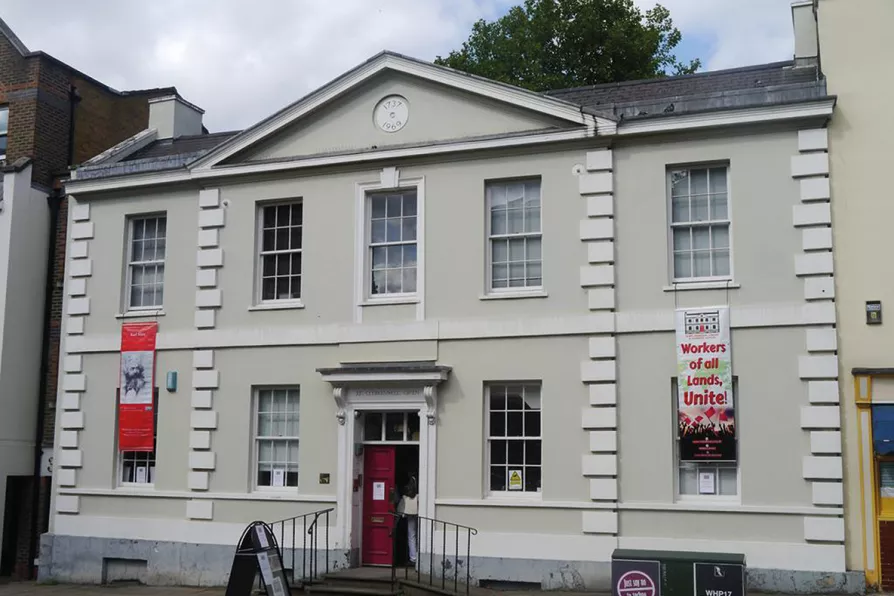
From hunting rare pamphlets at book sales to online panels and courses on trade unionism and class politics, the MML continues connecting archive treasures with the movements fighting for a better world, writes director MEIRIAN JUMP

Corbyn and Sultana’s ‘Your Party’ represents the first attempt at mass socialist organisation since the CPGB’s formation in 1921, argues DYLAN MURPHY

ANN HENDERSON on the exciting programme planned for this summer’s festival in the Scottish capital