All the evidence shows voters want Labour to shift to the left — but initial signs from Andy Burnham are worrying on that front, cautions DIANE ABBOTT


 Latest editorial
The Starmer project and the SDP: back to the 1980s
What is the Labour leader up to? It is not clear from his recent vague pronouncements — could the real goal not be winning an election, but creating the 1981 split in reverse, with the left forced into a rival party, asks KEITH FLETT
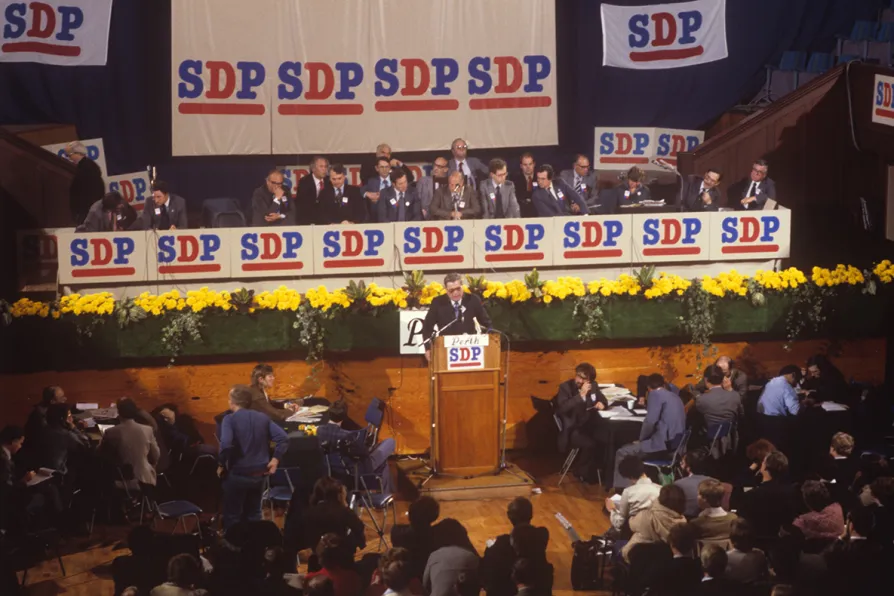 The first Social Democratic Party conference at the City Hall Perth in October 1981

ANDY McDONALD MP says Labour must show it is capable of delivering real improvements in people’s lives — bold action is required
ANGUS REID and ANDREW JOHNSTONE report on an initiative that we must take this summer
ALLISON FEWTRELL on what Plaid Cymru's historic election victory means for the communities being failed by Wales’s housing crisis, and four things the new government can do right now
France Insoumise MP JEROME LEGAVRE speaks to Christophe Domec on building the Europe-wide peace movement that came together in the International Conference Against War last weekend
At last weekend’s International Conference Against War, LINDA PENTZ GUNTER talks to the Palestinian physician and politician about the struggles ahead to achieve a truly free Palestine





KEIR STARMER has been active recently in defining what his project is. Luciana Berger, who quit Labour for the centrist Change UK party and then joined the Lib Dems has re-joined Labour — and others may follow.
Meanwhile, Starmer has been promoting his political missions, laid out in a speech and a New Statesman article. Although both were worthy enough in a general way, even the austere figure of Ed Balls noted that voters would want some more practical details about what Labour was actually going to do.
Starmer may be more popular than the Tories — but that popularity is lukewarm. A crowd chanted his name in central London recently at a protest against transphobia. “Oh, Jeremy Corbyn” chants were a familiar feature of the previous leader’s tenure. Unfortunately for Sir Keir, the recent chant was not a positive one.

Similar stories

PAUL DONOVAN recommends a thorough explanation of why Starmer’s Labour travels light on policy, and bending to knee to neoliberalism

As the PM and his chief of staff’s blunders have mounted up, ANDREW MURRAY wonders who among Labour’s diminished ‘soft left’ might make a bid for the leadership

Who you ask and how you ask matter, as does why you are asking — the history of opinion polls shows they are as much about creating opinions as they are about recording them, writes socialist historian KEITH FLETT

From Gaza complicity to welfare cuts chaos, Starmer’s baggage accumulates, and voters will indeed find ‘somewhere else’ to go — to the Greens, nationalists, Lib Dems, Reform UK or a new, working-class left party, writes NICK WRIGHT