To rescue Kahlo from the clutches of the corporate art market, we need to acknowledge the overt and covert political dimensions of the work, demands GAVIN O’TOOLE


 Latest editorial
Commemorating the victims of Pinochet’s death flights
In an exclusive interview CRISTIAN DEL CANTO speaks to Michal Boncza about his design for the Tobalaba Aerodrome Memorial, its political significance and the struggle to have it erected
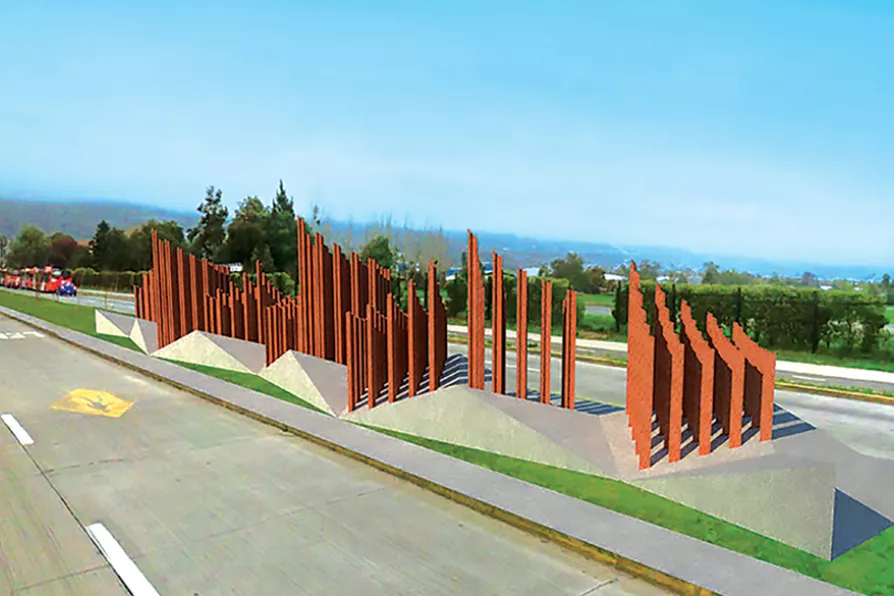 Tobalaba Aerodrome Memorial central alleyway of Fernando Castillo Velasco Avenue, mock-up
[www.arquitectonica.cl]
Tobalaba Aerodrome Memorial central alleyway of Fernando Castillo Velasco Avenue, mock-up
[www.arquitectonica.cl]
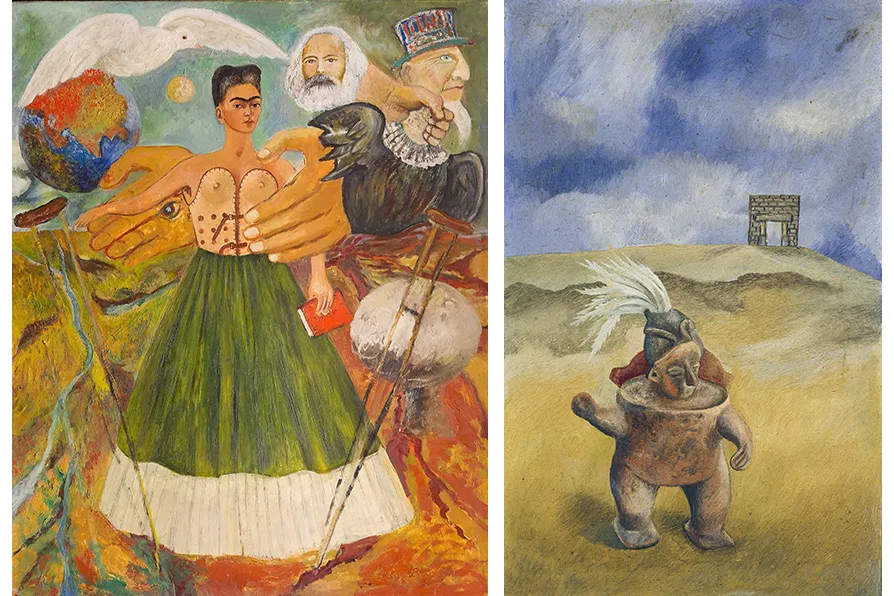
If you can see past the relentless commodification you will be rewarded by enormously powerful work, suggests JENNY MITCHELL
CHRIS SEARLE revels in the one-off collaboration between an American polymath and a British Muslim, and detects the presence of their revolutionary forebear
GORDON PARSONS revels in an ebullient production of Shakespeare’s magical comedy
BRENT CUTLER welcomes a thoughtful analysis of the Erdogan regime, viewed through the evolving history of a neighbourhood in Istanbul
GORDON PARSONS regrets the price, but is dazzled by an outstandingly ambitious study of the way art restoration in particular, and culture in general was weaponised by the Nazis





CAN you tell us what inspired you to create this unusual sculpture?
The project is the result of those of us who participate in the activities of the Tobalaba Aerodrome Memorial Group.
To relate in a sculptural work to such despicable events as throwing bodies into the sea from an army aircraft implies pain and re-victimisation, but to think that the comrades who suffered this tragic fate are reclaiming their presence among us is more a symbol of hope than of pain.
The concept behind this memorial is that of bodies that, represented by the train tracks, retake their space among us. What we know is that the bodies were tied with wires to the rails. Marta Ugarte, [a teacher] was the only body that returned to the shore, and a mother-of-pearl button was discovered attached to a train rail at the bottom of the sea.
The train rails are arranged in such a way as to evoke the shape of the waves of the sea, with each of the victims identified on a piece of rusty metal that has kept its memory unscathed.
Why place it in a central reservation?
A memorial must be built in the place where the events took place, but at the same time the chosen location must be a place of high public visibility, since the objective is to recount what happened to ensure there will be no repetition.
Cristian del Canto Quiroga [Credit: La Voz de La Reina]
The central alleyway of Fernando Castillo Velasco Avenue, located in front of the airfield runway, meets these requirements as that is where the take-off and landing of aircraft took place.
It is a connecting route to, among others, Villa Grimaldi, a detention and torture centre from which the bodies of comrades were taken to be thrown into the sea.
The elongated shape of the monument is related to Chile’s geography of more than 5,000km of coastline. The central reservation allows us to simulate that long coastline.

Similar stories
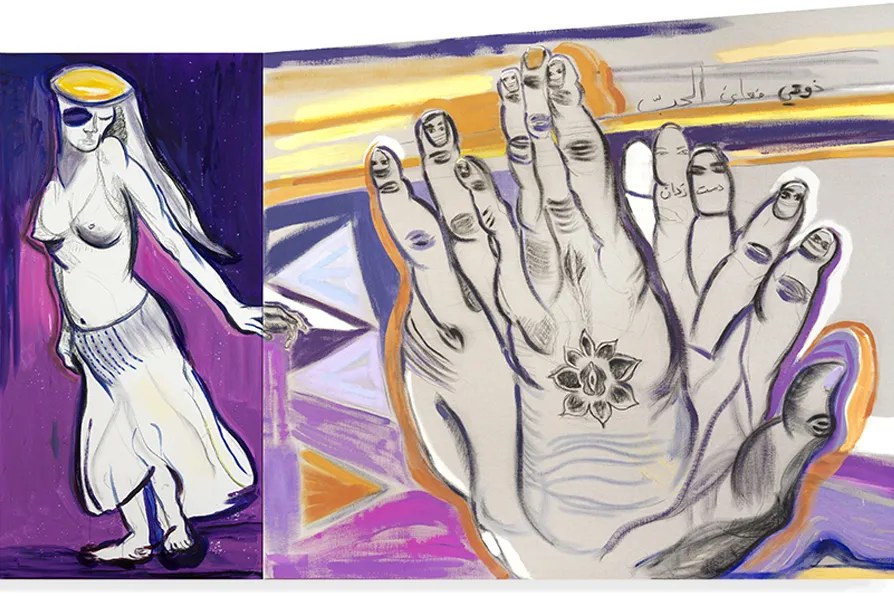
SIMON PARSONS applauds an artist who rescues and rehumanises stories of women, the victims of violence, from a feminist perspective
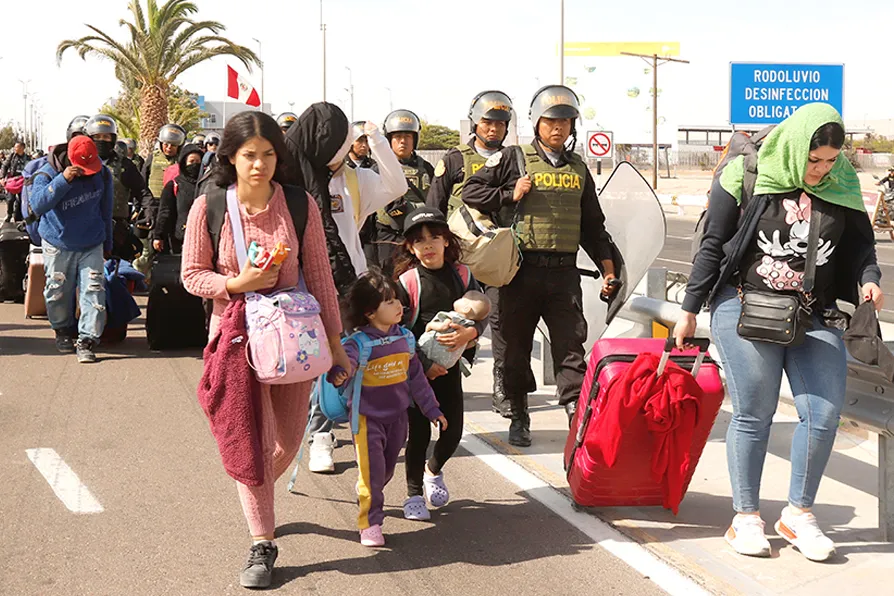
Far-right forces are rising across Latin America and the Caribbean, armed with a common agenda of anti-communism, the culture war, and neoliberal economics, writes VIJAY PRASHAD


ASSAF TALGAM talks to an Israeli Communist lawmaker about the need to use every tool of democratic and non-violent struggle; how Israeli society has changed since October 7 2023; and the persecution of the left in the parliamentary arena