To rescue Kahlo from the clutches of the corporate art market, we need to acknowledge the overt and covert political dimensions of the work, demands GAVIN O’TOOLE


 Latest editorial
The demon in our minds
PETER MASON is riveted by a tough but optimistic tale of the power of familial love
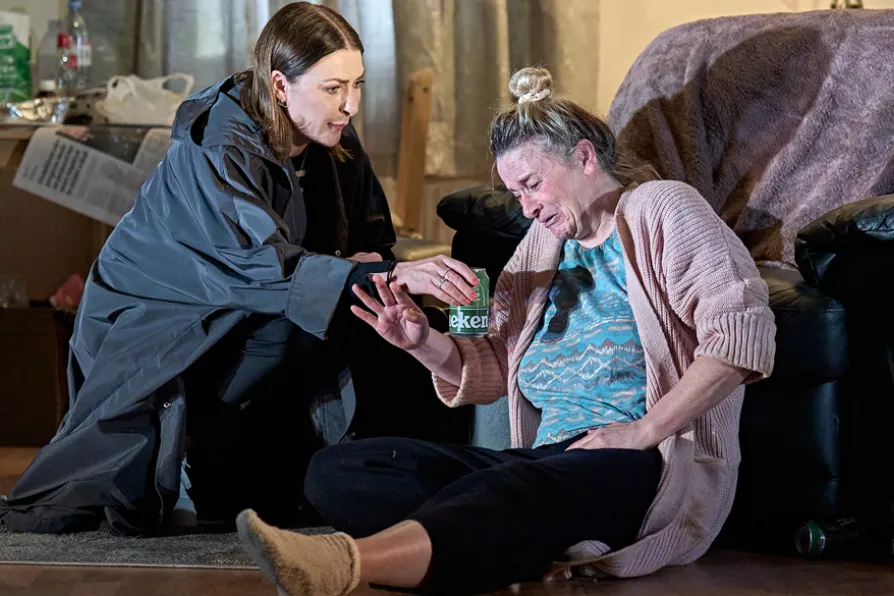 Kathy Kiera Clarke and Mairead McKinley in The Dry House
[Manuel Harlan]
Kathy Kiera Clarke and Mairead McKinley in The Dry House
[Manuel Harlan]
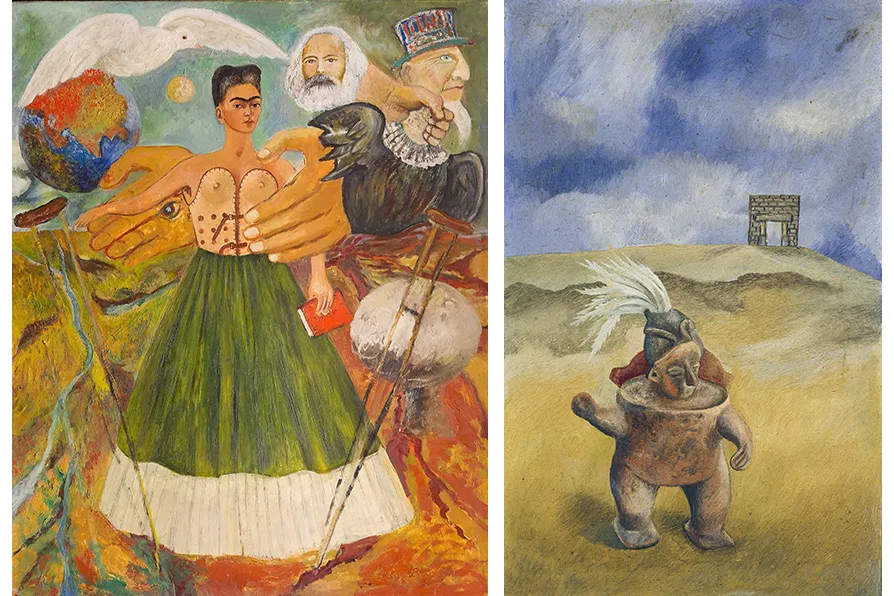
If you can see past the relentless commodification you will be rewarded by enormously powerful work, suggests JENNY MITCHELL
CHRIS SEARLE revels in the one-off collaboration between an American polymath and a British Muslim, and detects the presence of their revolutionary forebear
GORDON PARSONS revels in an ebullient production of Shakespeare’s magical comedy
BRENT CUTLER welcomes a thoughtful analysis of the Erdogan regime, viewed through the evolving history of a neighbourhood in Istanbul
GORDON PARSONS regrets the price, but is dazzled by an outstandingly ambitious study of the way art restoration in particular, and culture in general was weaponised by the Nazis





The Dry House
Marylebone Theatre, London
ONE early morning in Newry, Northern Ireland, Claire, a middle-aged woman at the end of her tether, tries to corral her fallen-apart sister, Chrissy, towards the door of a local drying-out clinic.
Chrissy is in the desperate end stages of alcoholism, almost at a point of no return, and as they sit in her small, shambolic front room (gas fire, piles of clothes, curtains not opened in months), her sibling attempts to persuade her to make the move towards redemption.
As she does so, the lyrical dialogue created by writer and director Eugene O’Hare suggests that it’s not just Chrissy but her wider community that has an alcohol problem — that those who are not already a slave to the bottle are either worried that they have “the drinking gene” or are paying the price for the drinking behaviour of others.

Similar stories

MARY CONWAY applauds the timely revival of Miller’s study of people fatally deformed by the economics of survival
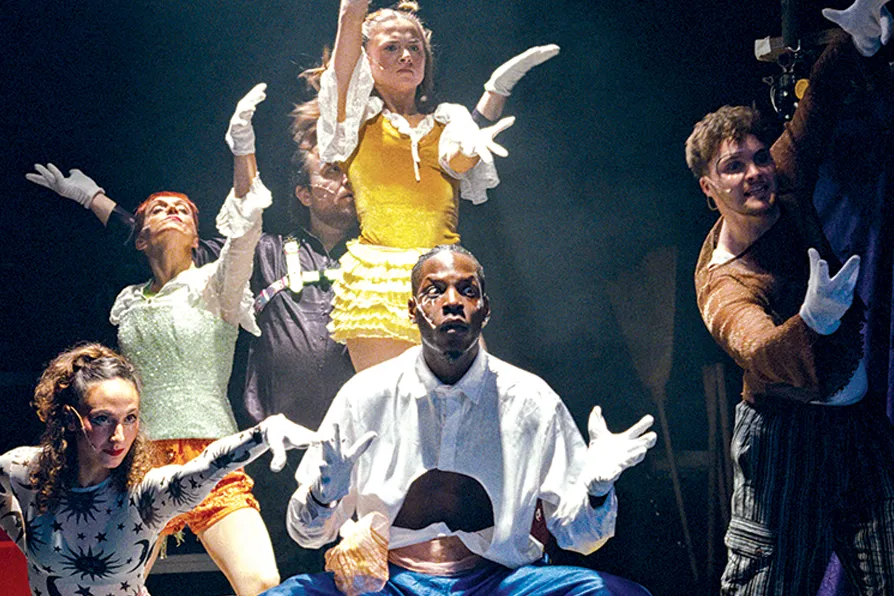
JAN WOLF enjoys a British revival of the 1972 come of age farce/panto Pippin
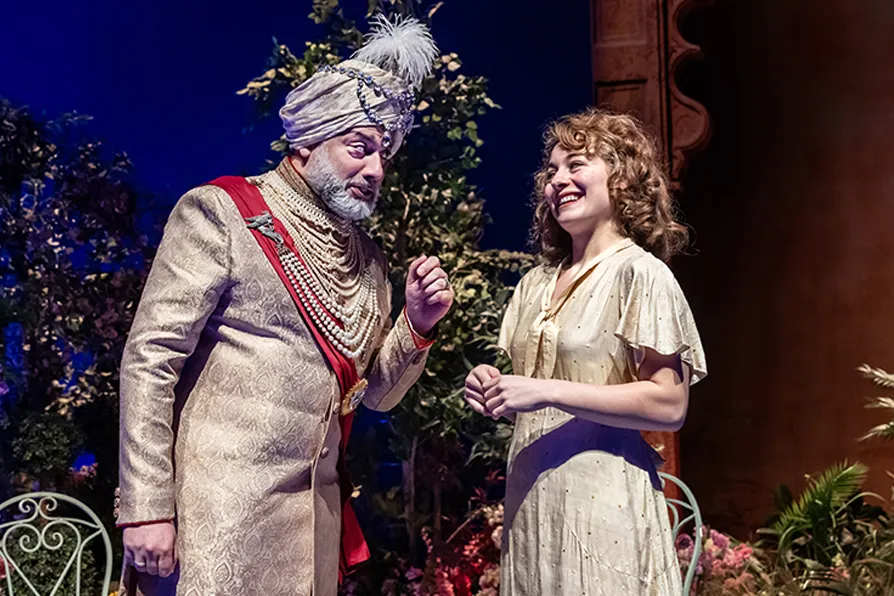
Although this production was in rehearsal before the playwright’s death, it allows us to pay homage to his life, suggests MARY CONWAY
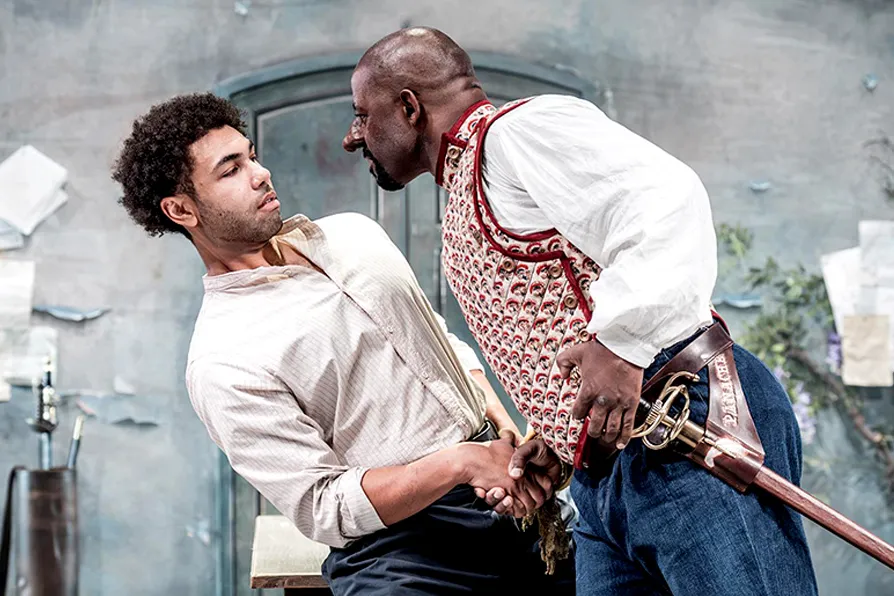
GORDON PARSONS is blown away by a superb production of Rostand’s comedy of verbal panache and swordmanship