All the evidence shows voters want Labour to shift to the left — but initial signs from Andy Burnham are worrying on that front, cautions DIANE ABBOTT


 Latest editorial
Remembering staunch trade unionist Bob Gillespie – ‘a street fighter, a tiger’
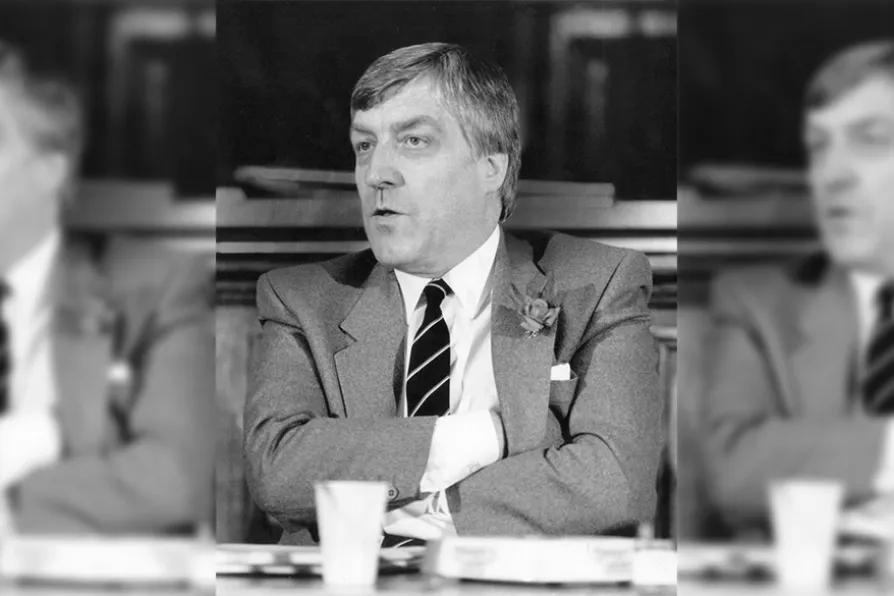 Gillespie, pictured during the Glasgow Govan by-election of 1988


ANDY McDONALD MP says Labour must show it is capable of delivering real improvements in people’s lives — bold action is required
ANGUS REID and ANDREW JOHNSTONE report on an initiative that we must take this summer
ALLISON FEWTRELL on what Plaid Cymru's historic election victory means for the communities being failed by Wales’s housing crisis, and four things the new government can do right now
France Insoumise MP JEROME LEGAVRE speaks to Christophe Domec on building the Europe-wide peace movement that came together in the International Conference Against War last weekend
At last weekend’s International Conference Against War, LINDA PENTZ GUNTER talks to the Palestinian physician and politician about the struggles ahead to achieve a truly free Palestine





BOB GILLESPIE who died on April 12 aged 85, was a staunch trade unionist and socialist, well-known and respected in the Scottish trade union and labour movement.
From humble beginnings he became a national officer of the print unions Sogat and GPMU.
Born in 1937, Robert Pollock Gillespie was evacuated to Ayrshire with his mother during the second world war. His father was an infantryman serving overseas.

Similar stories
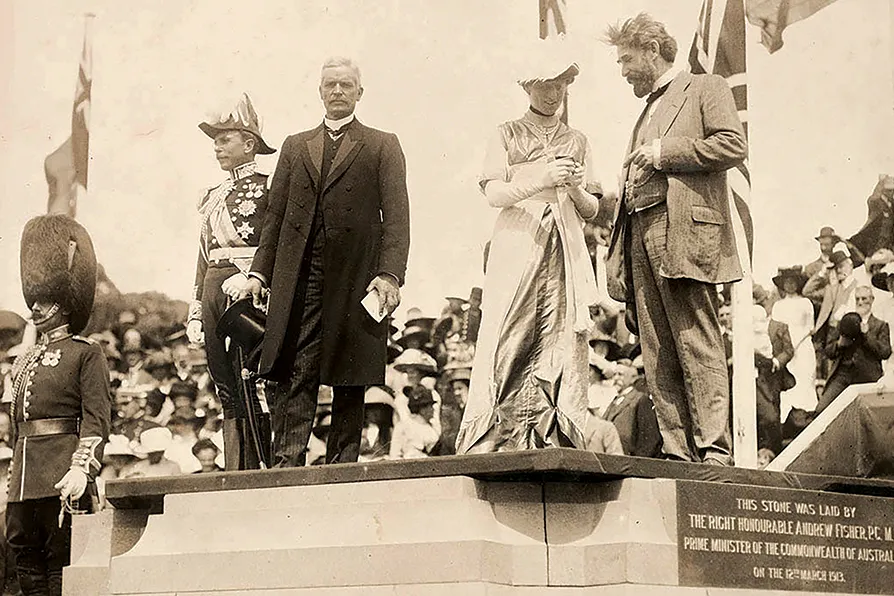
KENNY MacASKILL reminds us of the unprecedented political career of a Scottish miner’s militant son who stayed the course and true to his roots
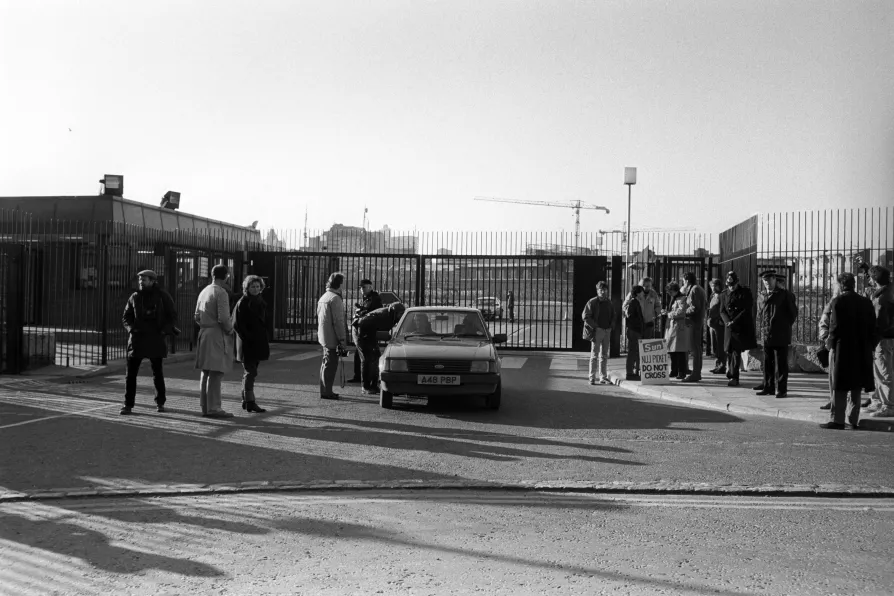
JOHN LANG recalls how Murdoch used scabbing electricians and even devised a fake newspaper to force a confrontation with printers – then sacked them all
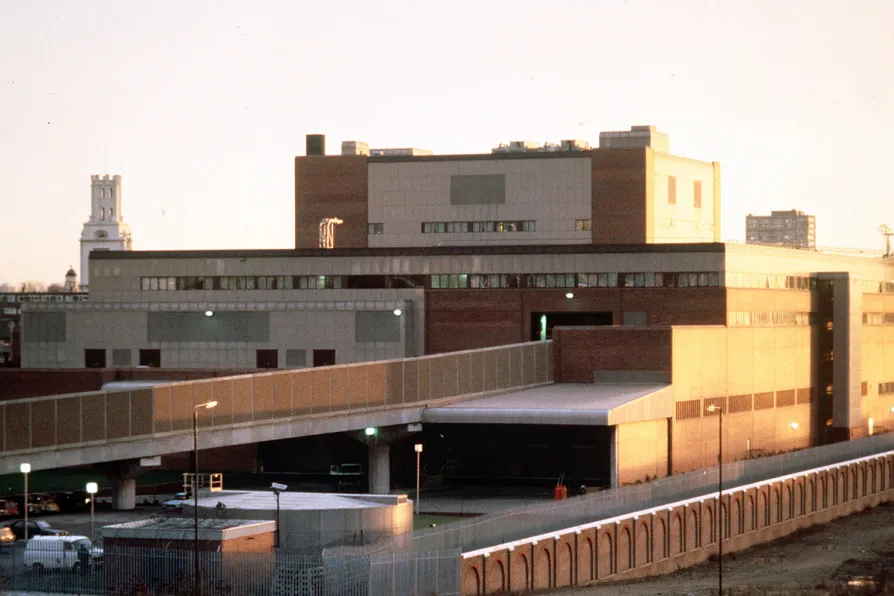
Forty years on, TONY DUBBINS revisits the Wapping dispute to argue that Murdoch’s real aim was union-busting – enabled by Thatcherite laws, police violence, compliant unions and a complicit media
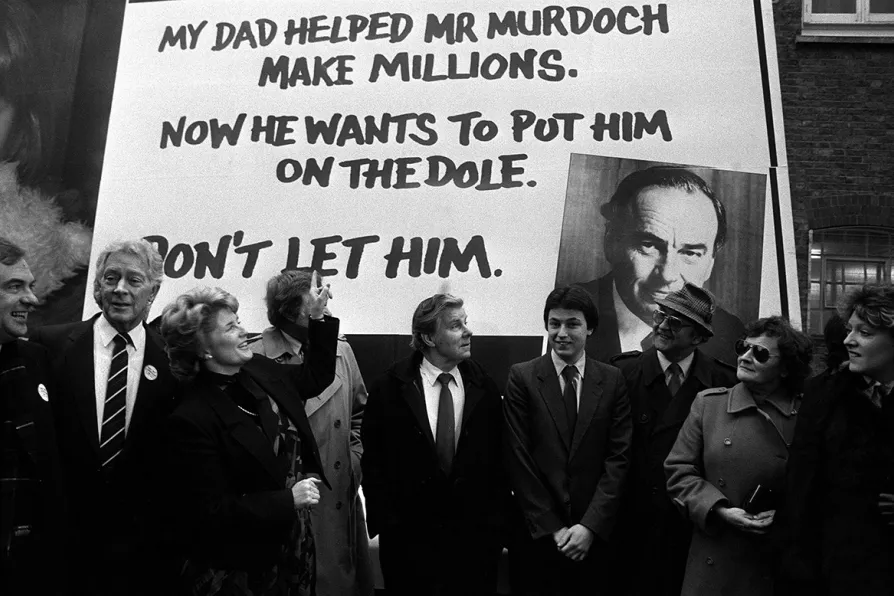
Enduring myths blame print unions for their own destruction – but TONY BURKE argues that the Wapping dispute was a calculated assault by Murdoch on organised labour, which reshaped Britain’s media landscape and casts a long shadow over trade union rights today