All the evidence shows voters want Labour to shift to the left — but initial signs from Andy Burnham are worrying on that front, cautions DIANE ABBOTT


 Latest editorial
Has the world learned anything from the Rana Plaza disaster?
A decade ago over 1,000 garment workers were killed due to the demands of fast fashion and greedy brands. We have the power here in Britain to change the system everywhere, writes CLAUDIA WEBBE MP
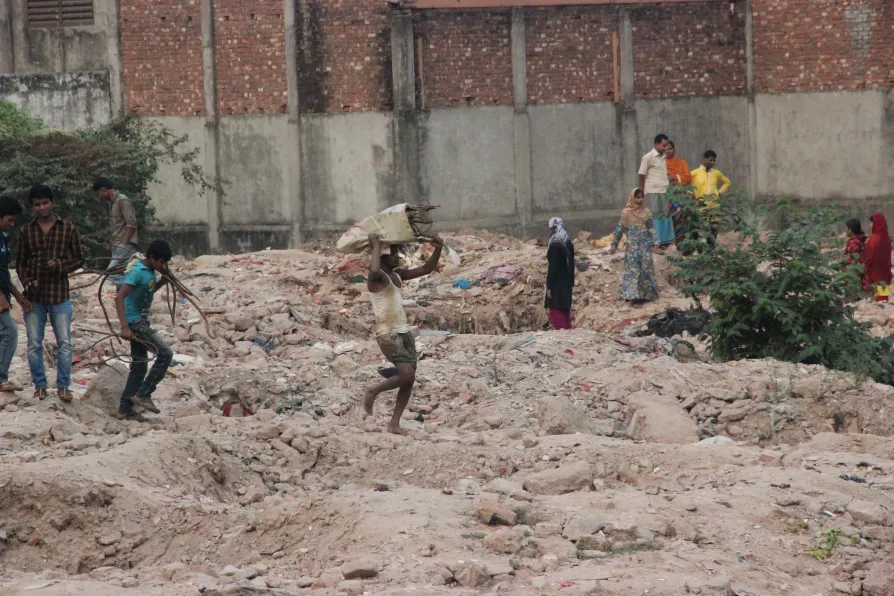 OUTRAGE: Workers sort through the remains of the factory in the Dhaka region of Bangladesh, December 2014
[NYU Stern BHR / Creative Commons]
OUTRAGE: Workers sort through the remains of the factory in the Dhaka region of Bangladesh, December 2014
[NYU Stern BHR / Creative Commons]

ANDY McDONALD MP says Labour must show it is capable of delivering real improvements in people’s lives — bold action is required
ANGUS REID and ANDREW JOHNSTONE report on an initiative that we must take this summer
ALLISON FEWTRELL on what Plaid Cymru's historic election victory means for the communities being failed by Wales’s housing crisis, and four things the new government can do right now
France Insoumise MP JEROME LEGAVRE speaks to Christophe Domec on building the Europe-wide peace movement that came together in the International Conference Against War last weekend
At last weekend’s International Conference Against War, LINDA PENTZ GUNTER talks to the Palestinian physician and politician about the struggles ahead to achieve a truly free Palestine





TEN years ago today, more than 1,100 people were killed and more than 2,500 injured when the eight-storey Rana Plaza building collapsed in Bangladesh.
Corruption and greed were identified as the key causes. The building had been built on unstable ground on a filled-in pond, with substandard materials and with eight floors instead of the four for which the developer had permits.
These dangerous working conditions are not new and workers have always been the ones to face the cost. Over a century earlier, in 1911, 146 garment workers died in the Triangle Shirtwaist Factory fire in New York City, while just a few years before the Rana Plaza collapse, in 2005, the Spectrum building just a few miles away collapsed, killing 64 workers and injuring 80.

Similar stories

PHILIP ENGLISH says military spending will not create the jobs young people need — instead, build an economy based around needs, not profit
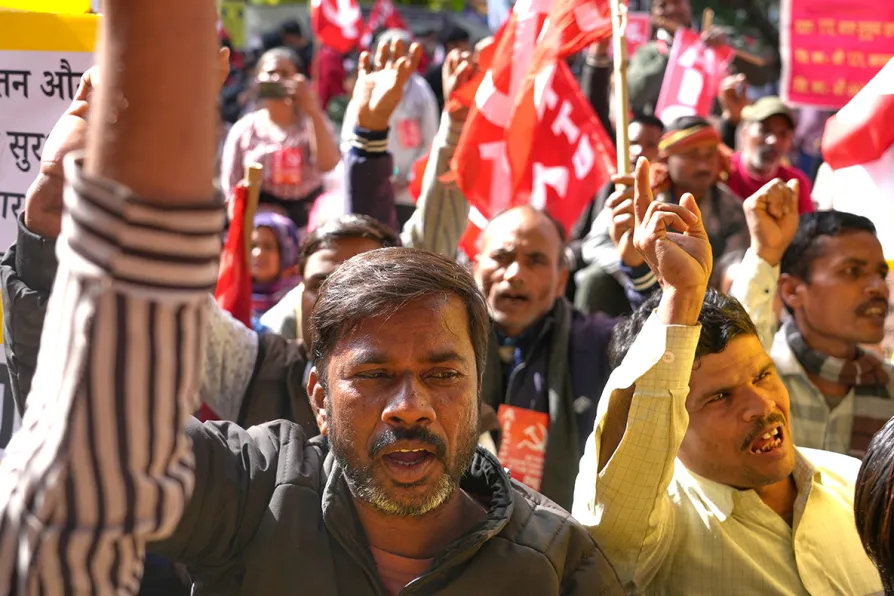
The biggest strike in global history is a template for our future. The silence tells you all you need to know, writes CLAUDIA WEBBE
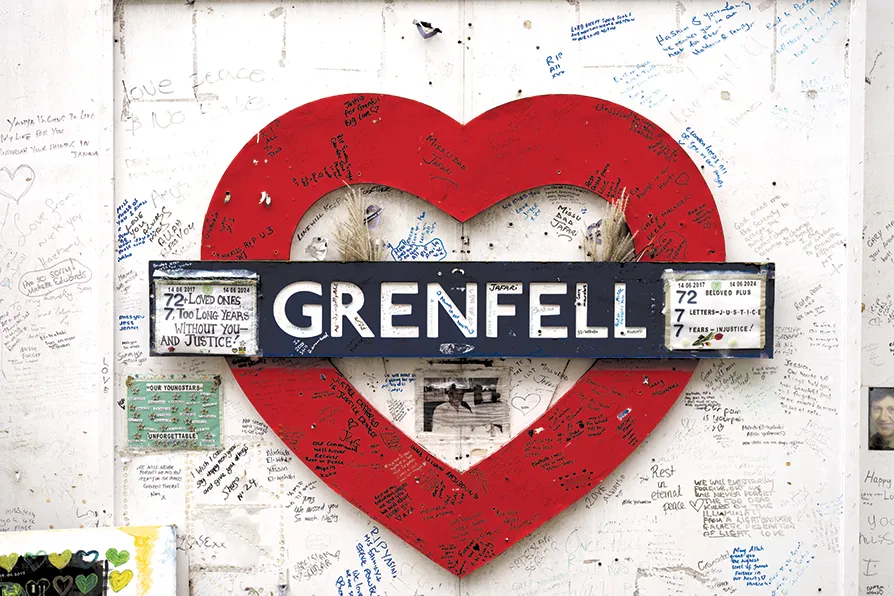
As we approach the half-anniversary of the Grenfell tragedy, the community gathers to remember loved ones while grappling with mixed emotions surrounding the ongoing deconstruction of the tower and the hopeful plans for a memorial, writes EMMA DENT COAD

Ben Chacko talks to RMT leader EDDIE DEMPSEY about how the key to fixing broken Britain lies in collective sectoral bargaining, restoring unions’ ability to take solidarity strike action and bringing about the much-vaunted ‘wave of insourcing’