As tens of thousands return to the streets for the first national Palestine march of 2026, this movement refuses to be sidelined or silenced, says PETER LEARY


 Latest editorial

‘National Conservatism’ and ‘Progressive Britain’ — is there really such a difference?
BEN CHACKO argues that behind the deliberate dog-whistle provocations of the loony right and the vacuous ‘aspirational’ rhetoric of Blairism is a united front to lower our expectations — and our living standards
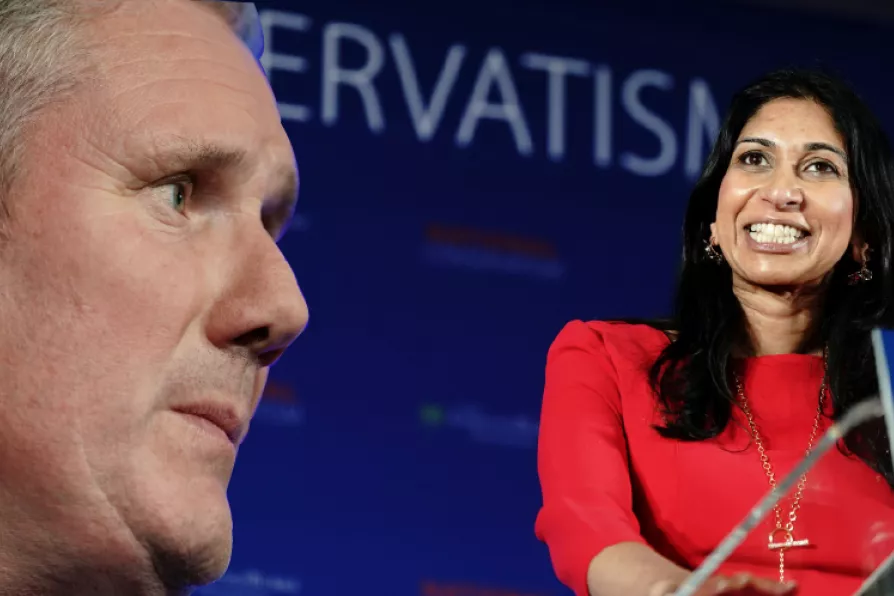 Two sides of the same coin? Both Labour and the Tories are engaged in lowering our expectations of life and work

If the government really wanted to address public finances, improve living standards and begin economic recovery, it would increase its borrowing for investment, argues MICHAEL BURKE
MATT KERR takes a winter journey through poetry, labour and memory, from Glasgow to Newcastle, arguing that our radical past isn’t something to revere from a distance, but a tool still meant to be used
One of Canada’s most revered politicians is a native of Falkirk but is relatively unknown in his original homeland. KENNY MacASKILL tells his story
Labour prospects in May elections may be irrevocably damaged by Birmingham Council’s costly refusal to settle the year-long dispute, warns STEVE WRIGHT
HENRY FOWLER and ROB POOLE explain the significance of today’s Megapicket





TWO May conferences painted a bleak outlook for Britain’s working-class movement — unless it can wrest control of the political agenda back from politicians.
Both were conservative. That is, one was run by a group called Progressive Britain, but its keynote speech by Keir Starmer stressed Labour as the party of true conservatives.
The other was called the National Conservatism conference, though it wasn’t national in the sense of being home-grown like Therese Coffey’s turnips, since it was a project of the Edmund Burke Foundation, a US think tank.

Similar stories
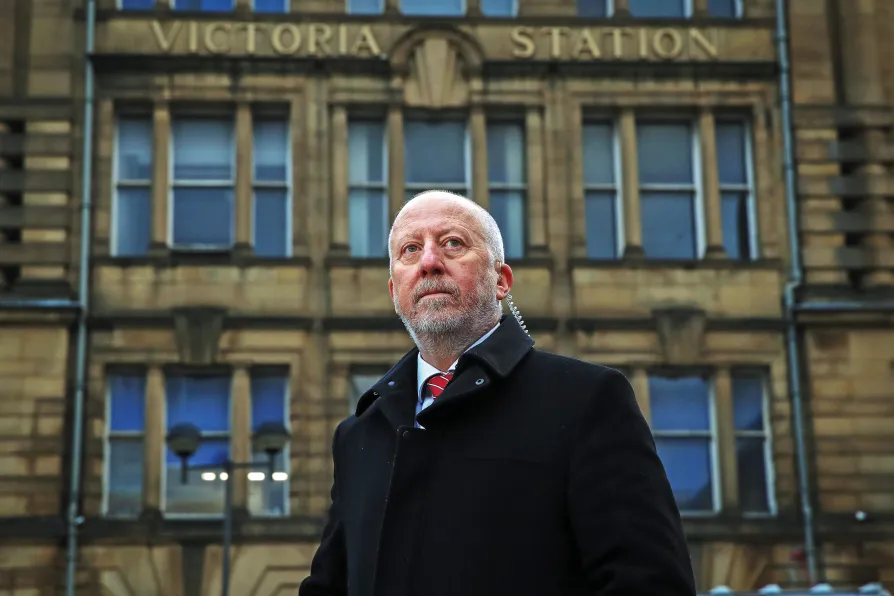
If we can tackle the big issues, like delivering decent public services and affordable state-built and owned housing by making the richest pay a fair amount of tax, Labour can win back the trust and support of the electorate, argues ANDY McDONALD MP
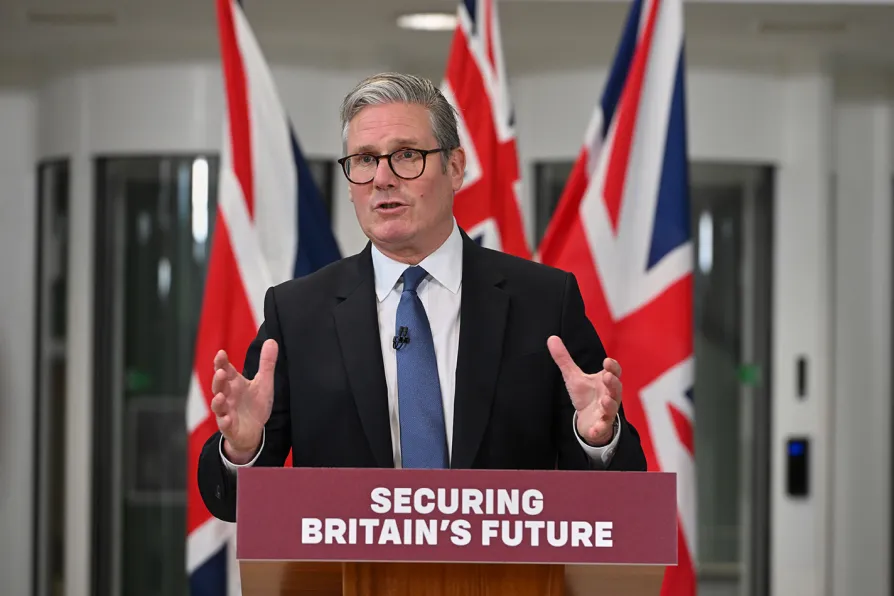
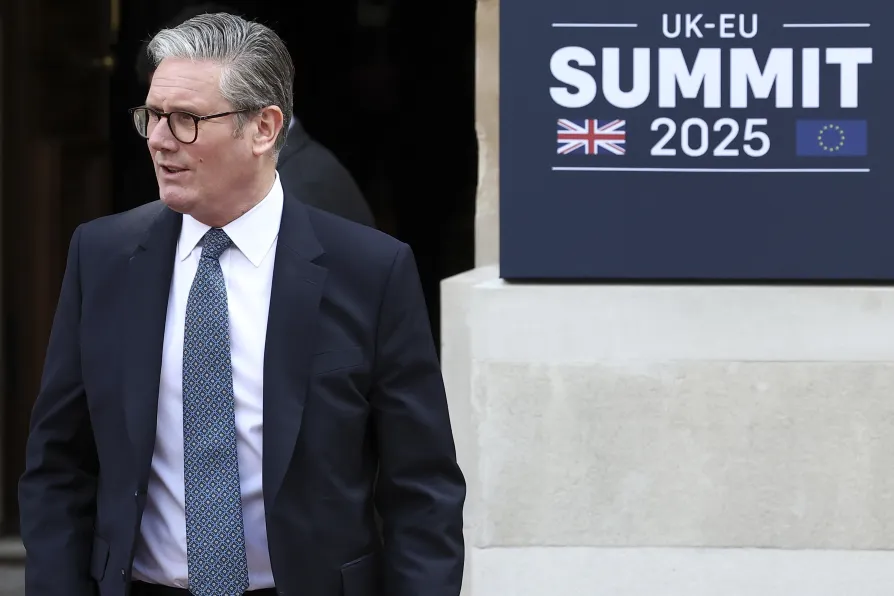
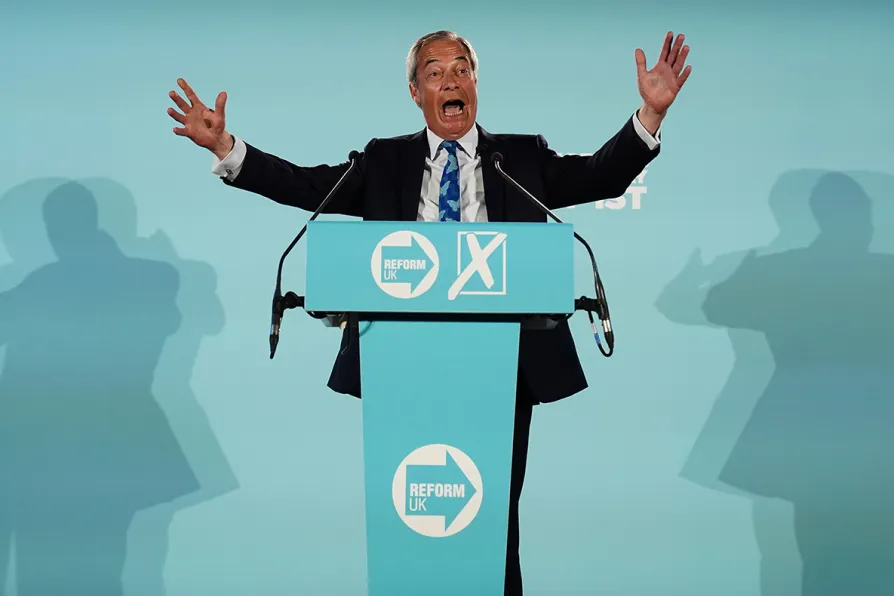
Reform’s rise speaks to a deep crisis in Establishment parties – but relies on appealing to social and economic grievances the left should make its own, argues NICK WRIGHT