All the evidence shows voters want Labour to shift to the left — but initial signs from Andy Burnham are worrying on that front, cautions DIANE ABBOTT


 Latest editorial
Class reproduction and untangling the class pay gap in Wales
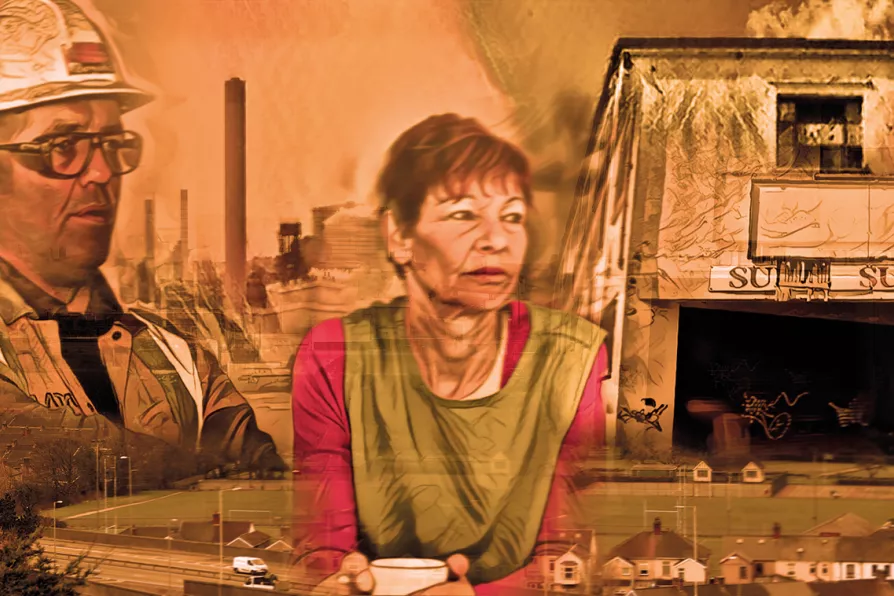
Our class origin casts a long shadow over our lives — one of the areas in which this manifests is through the existence of occupational sorting and the class pay gap, writes LUKE FLETCHER MS
ANDY McDONALD MP says Labour must show it is capable of delivering real improvements in people’s lives — bold action is required
ANGUS REID and ANDREW JOHNSTONE report on an initiative that we must take this summer
ALLISON FEWTRELL on what Plaid Cymru's historic election victory means for the communities being failed by Wales’s housing crisis, and four things the new government can do right now
France Insoumise MP JEROME LEGAVRE speaks to Christophe Domec on building the Europe-wide peace movement that came together in the International Conference Against War last weekend
At last weekend’s International Conference Against War, LINDA PENTZ GUNTER talks to the Palestinian physician and politician about the struggles ahead to achieve a truly free Palestine




AN insidious aspect of neoliberalism’s ideological blitz has been to convince certain parts of society that working-class people being unable to “get on” is an individual, moral flaw — some sort of gene-deep character deficiency.
Aside from being — at best — a glib display of ignorance, it also neatly sidesteps any structural analysis of class, what functions people perform in the economy and how this reproduces class privilege.
What our backgrounds are — where we come from, our access to certain social networks, what kinds of support we can access (in short, the kinds of economic, social and cultural capital we can harness) — and how these affect our trajectories, cast very long shadows.
Similar stories

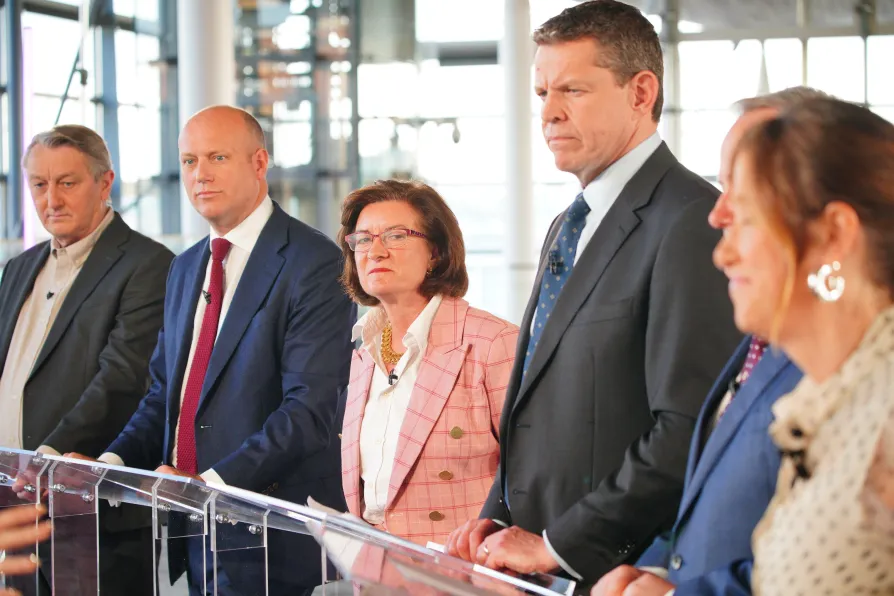
The election offers a critical chance to shape the future of pay, care and community provision in Wales, says Unison’s JESS TURNER

Wales is second from the bottom in terms of cultural services in the EU. HELEDD FYCHAN believes that needs to change if the country is to prosper
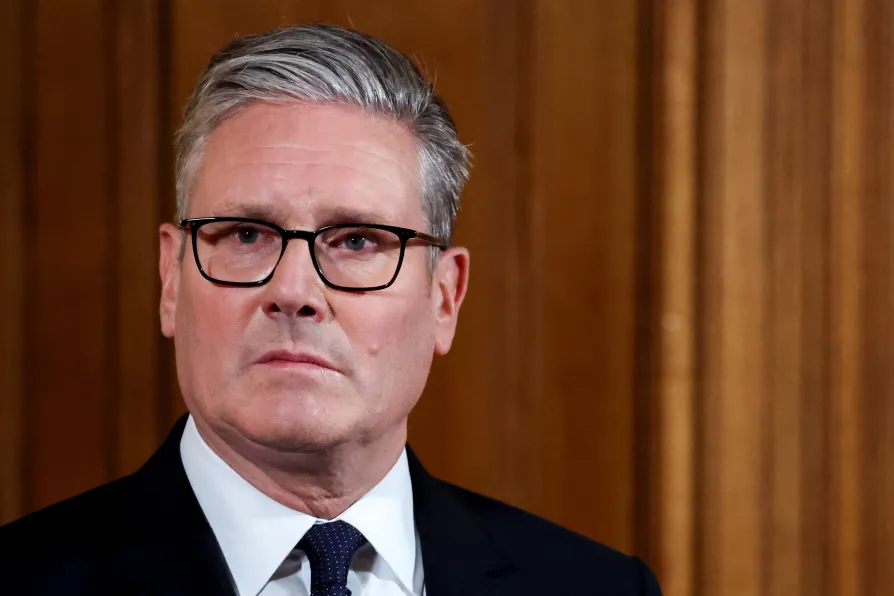
Deep disillusionment with the Westminster cross-party consensus means rupture with the status quo is on the cards – bringing not only opportunities but also dangers, says NICK WRIGHT