To rescue Kahlo from the clutches of the corporate art market, we need to acknowledge the overt and covert political dimensions of the work, demands GAVIN O’TOOLE


 Latest editorial
Refuge for the soul
MICHAL BONCZA recommends an exquisitely illustrated publication which charts the origins, rise and fall of the seminal Russian dacha
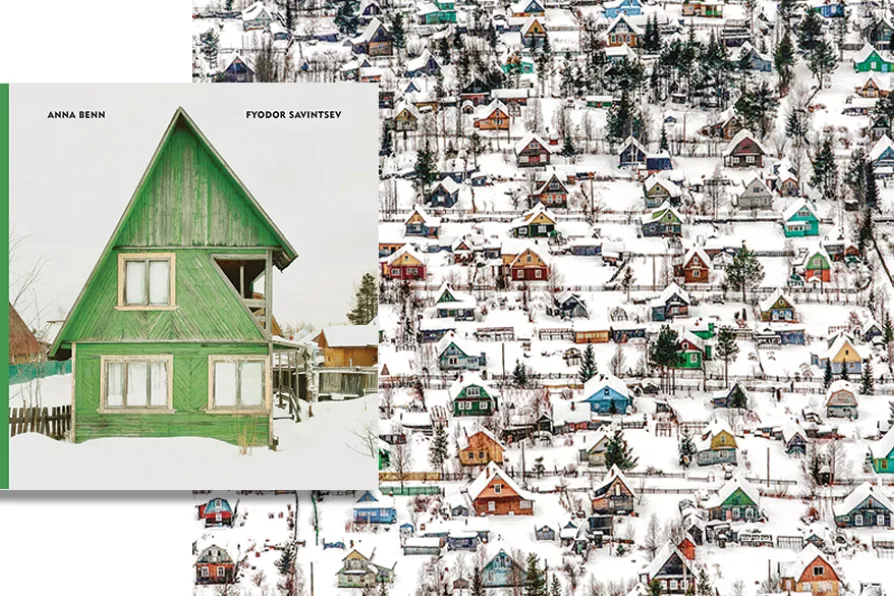 Arkhangelsk dachas panorama
[Fyodor Savintsev]
Arkhangelsk dachas panorama
[Fyodor Savintsev]
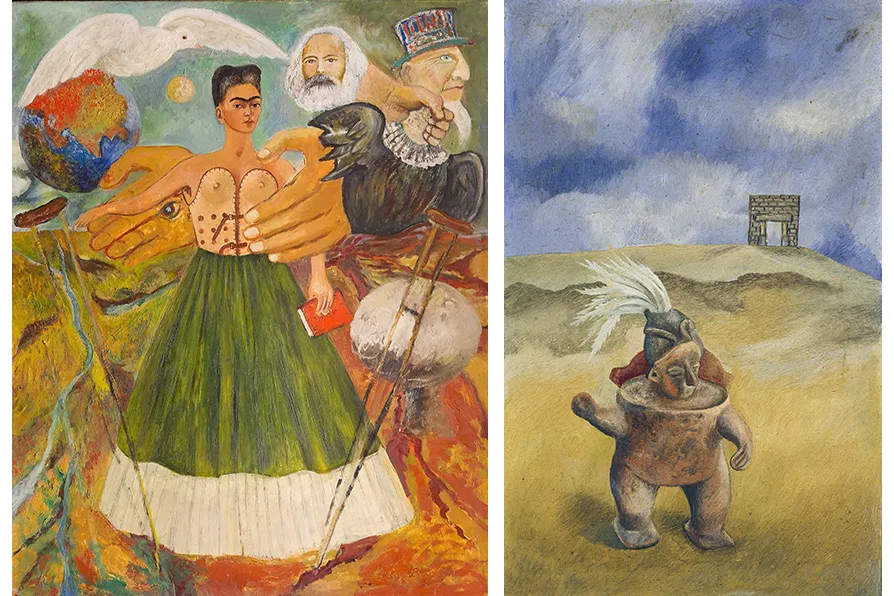
If you can see past the relentless commodification you will be rewarded by enormously powerful work, suggests JENNY MITCHELL
CHRIS SEARLE revels in the one-off collaboration between an American polymath and a British Muslim, and detects the presence of their revolutionary forebear
GORDON PARSONS revels in an ebullient production of Shakespeare’s magical comedy
BRENT CUTLER welcomes a thoughtful analysis of the Erdogan regime, viewed through the evolving history of a neighbourhood in Istanbul
GORDON PARSONS regrets the price, but is dazzled by an outstandingly ambitious study of the way art restoration in particular, and culture in general was weaponised by the Nazis





Dacha
by Anna Benn (words) and Fyodor Savintsev (photos)
Fuel £26.95
DACHAS are as much a state of mind as they are actual physical constructs.
They are a timeless cultural identity that evolved from an imperial legacy of recognition for services rendered — instead of an OBE you got a dacha — to what became an attainable, classless aspiration of city dwellers in the aftermath of the October Revolution.
Their association with the need for a retreat that offered physical and spiritual solace is, perhaps, best defined by Fyodor Dostoevsky in Crime and Punishment: “It was terribly hot outside, stuffy and crowded; everywhere there was whitewash, scaffolding, brick, dust and that certain summer stench so well known to every Petersburger who doesn’t have the means to rent a dacha.”

Similar stories
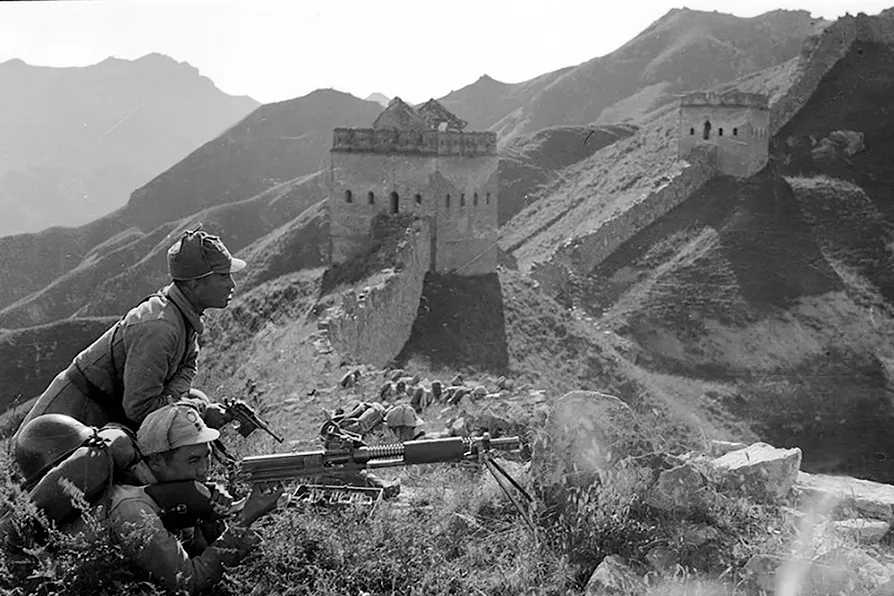
In Part 4 of her look at the Chinese revolution JENNY CLEGG addresses the relationship between the Peasant Movement and the National Movement
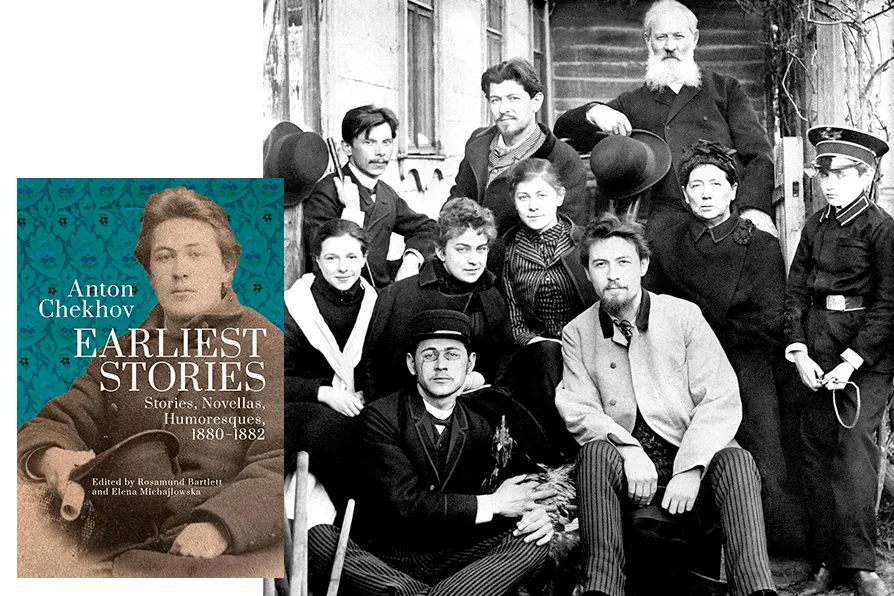
KEN COCKBURN guides us through a survey of Chekov’s early short fiction, and the groundwork it laid for his later masterpieces

RITA DI SANTO gives us a first look at some extraordinary new films that examine outsiders, migrants, belonging and social abuse
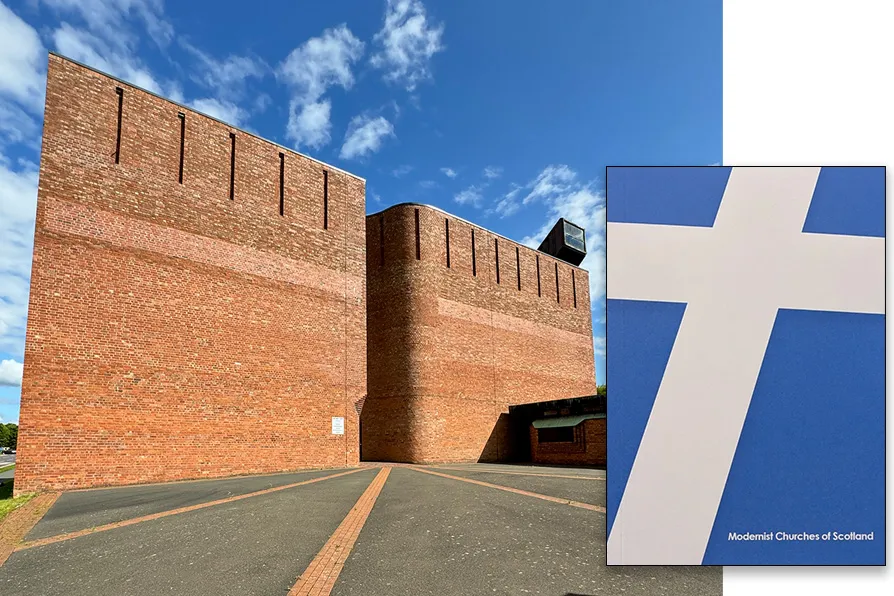
HENRY BELL notes the curious confluence of belief, rebuilding and cheap materials that gave rise to an extraordinary number of modernist churches in post-war Scotland