All the evidence shows voters want Labour to shift to the left — but initial signs from Andy Burnham are worrying on that front, cautions DIANE ABBOTT


 Latest editorial
Reforming a fast-evolving media landscape
As the traditional hard-copy newspaper industry declines and digital content evolves in ways we could not have predicted, the demand to hold the media accountable becomes more pressing, writes TONY BURKE
 [Stevepb / Creative Commons]

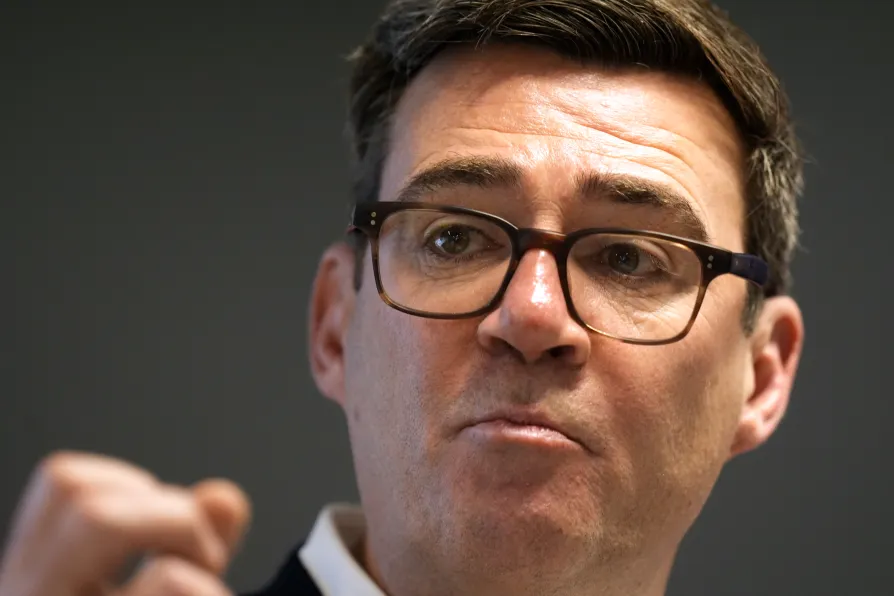
ANDY McDONALD MP says Labour must show it is capable of delivering real improvements in people’s lives — bold action is required
ANGUS REID and ANDREW JOHNSTONE report on an initiative that we must take this summer
ALLISON FEWTRELL on what Plaid Cymru's historic election victory means for the communities being failed by Wales’s housing crisis, and four things the new government can do right now
France Insoumise MP JEROME LEGAVRE speaks to Christophe Domec on building the Europe-wide peace movement that came together in the International Conference Against War last weekend
At last weekend’s International Conference Against War, LINDA PENTZ GUNTER talks to the Palestinian physician and politician about the struggles ahead to achieve a truly free Palestine





AT the Labour Party conference in Liverpool this week Media North (previously the Campaign for Press and Broadcasting Freedom) will be calling on the next Labour government to set out plans for media reform and to push the issue up the agenda within the Labour Party.
Media North argue it is time for Labour to recognise the sector we call “the media” includes not just newspapers, magazines and traditional broadcasters but involves the rapidly expanding digital media — including content providers, the use of artificial intelligence to produce content, the peddling of “fake news” (which acts as an echo chamber) and potential mergers in the telecoms and communications sector such as the proposed merger of Vodaphone and Three giving control to the Chinese CK Group, owner of Three which has links to the Chinese government and the Conservative Party.
Fewer people are now directly dependent on reading the mainstream media to obtain news and information. Sales of national and regional titles continue to fall as more people rely on reading news and opinion from content providers who provide click-bait stories designed to find their way online and increasingly via podcasts — some of which are excellent — but some of which are increasingly dominated by right-wing ideologues.

Similar stories
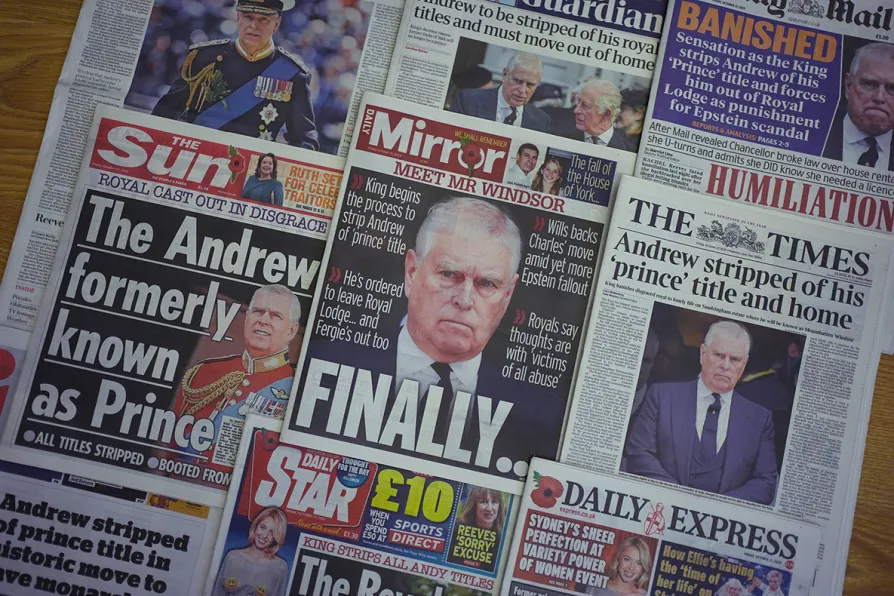
Claims that digital media has rendered press power obsolete are a dangerous myth, argues DES FREEDMAN
![[Pic: Andrew Wiard]](https://dev.morningstaronline.co.uk/sites/default/files/styles/desktop/public/2026-01/19860330_a_wiard_0001JPG.jpg.webp?itok=nkzZbinE)
As advertising drains away, newsrooms shrink and local papers disappear, MIKE WAYNE argues that the market model for news is broken – and that public-interest alternatives, rooted in democratic accountability, are more necessary than ever
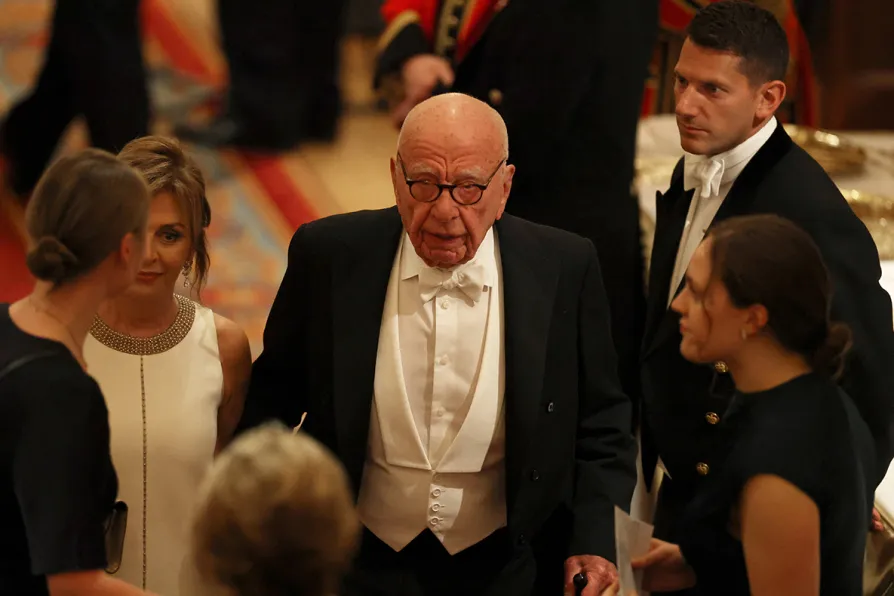
LOUISA BULL traces how derecognition, outsourcing and digitalisation reshaped the industry, weakened collective bargaining and created today’s precarious media workforce
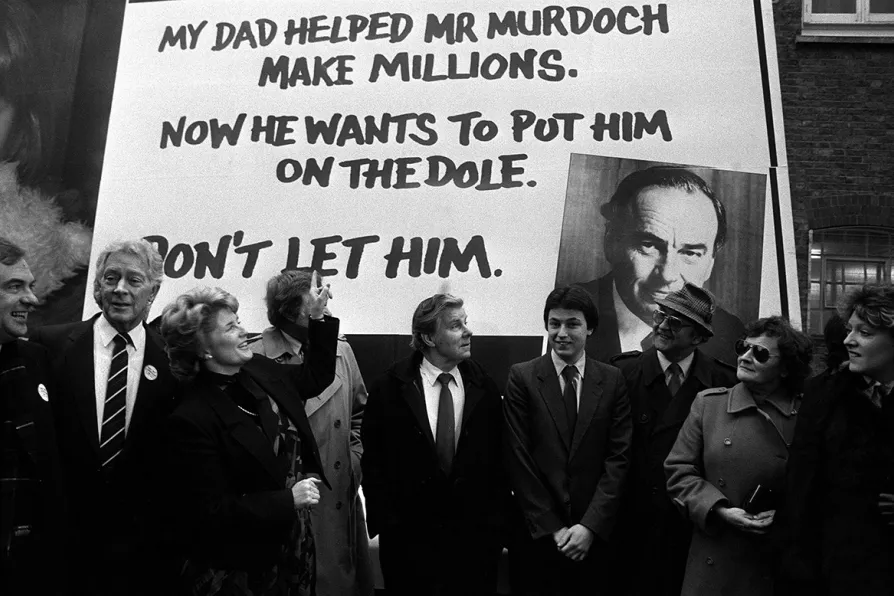
Enduring myths blame print unions for their own destruction – but TONY BURKE argues that the Wapping dispute was a calculated assault by Murdoch on organised labour, which reshaped Britain’s media landscape and casts a long shadow over trade union rights today