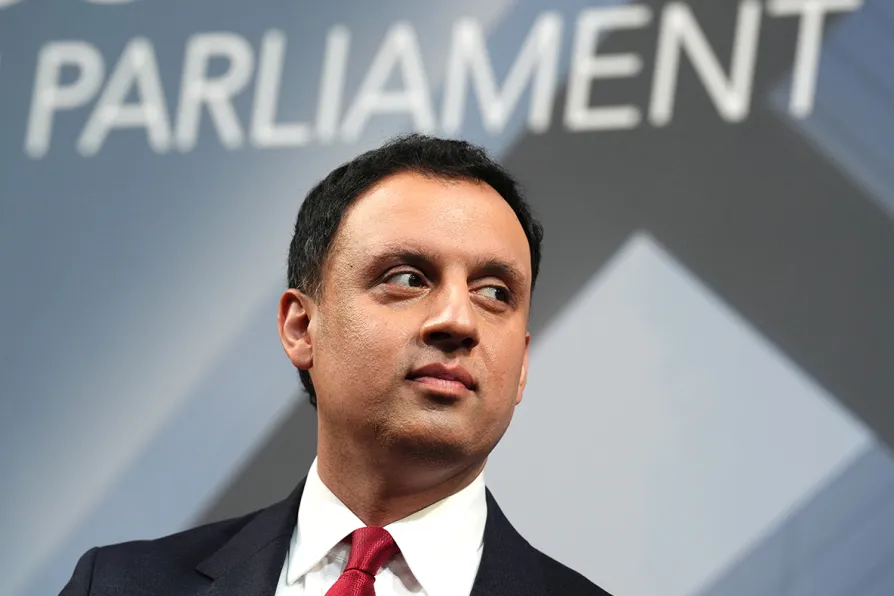
Scottish Labour's leaders cannot keep blaming Westminster for the collapse at the ballot box, says VINCE MILLS


 Latest editorial

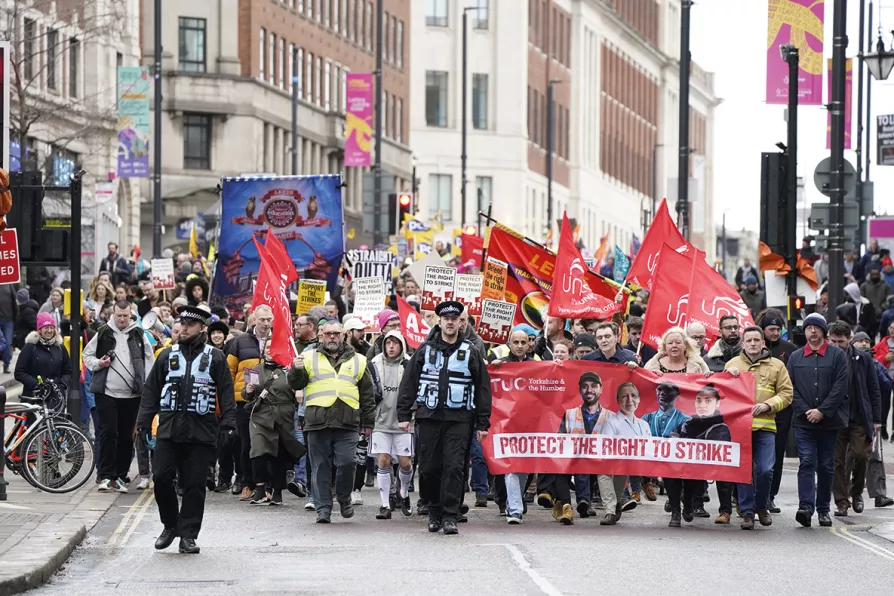
The pieces are in place for rebuilding the socialist left in 2024
Morning Star editor BEN CHACKO says militant unions and a growing peace movement create the conditions for a fight to put socialist politics back on the map after four bleak years
Over 30 years since apartheid was abolished, nasty anti-migrant rhetoric sweeps the corporate media. The Commnunist Party is ready to fight back, says ROGER McKENZIE
Over 100,000 people are expected on Brussels’s streets today. Ben Chacko speaks to Belgian Workers Party’s PETER MERTENS on wage and pensions attacks that have united the fightback
FRED BAYER says the cuts to the congress cycle could be disastrous for the Scottish trade union movement
Berlin’s Soviet war memorials are becoming the latest front in a political struggle to ‘de-Sovietise’ German history. NICO POPP reports
Western Marxism is a particular version of Marxist theory developed in – and acceptable to – the capitalist nations of Europe and North America and largely divorced from political action, argues the MARX MEMORIAL LIBRARY




THIS month marked four years since the defeat of the most serious challenge to British capitalism in decades — Jeremy Corbyn’s Labour leadership.
The coming year marks four decades since the start of the great miners’ strike of 1984-85, whose defeat signalled the decisive victory of Thatcher’s neoliberal project in Britain, prompting a sharp acceleration of her government’s privatisation drive (we lost public control of British Telecom, British Aerospace, British Petroleum, British Gas, British Steel, British Airways, Rolls-Royce and, at the tail-end of her decade in power, the municipally owned water and electricity boards).
Defeat of the miners ushered in a long period of decline for unions. There are less than half as many trade union members in Britain now as in 1980; less than a quarter of workers are covered by collective bargaining agreements, compared to more than half in 1980; the number and size of strikes declined too.
Similar stories
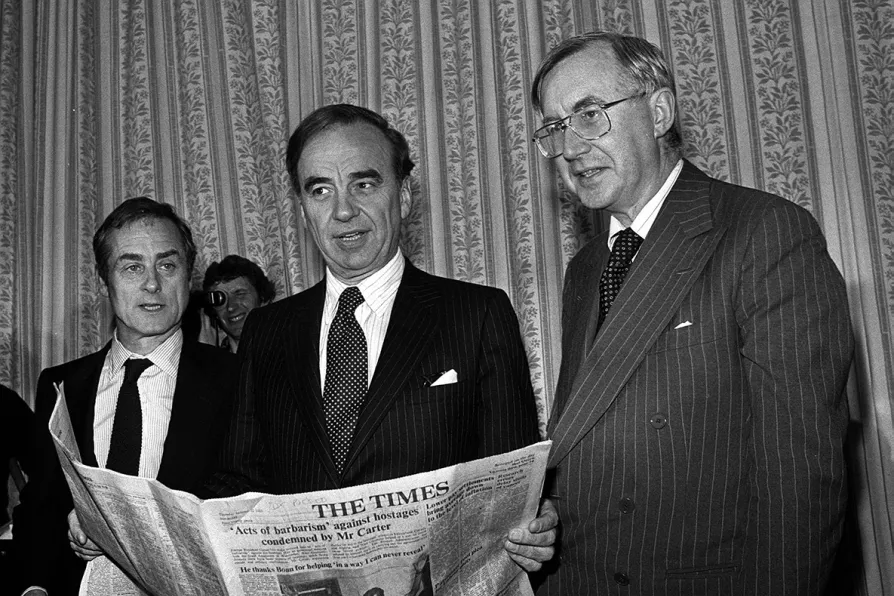
Four decades on, the Wapping dispute stands as both a heroic act of resistance and a decisive moment in the long campaign to break trade union power. Lord JOHN HENDY KC looks back on the events of 1986
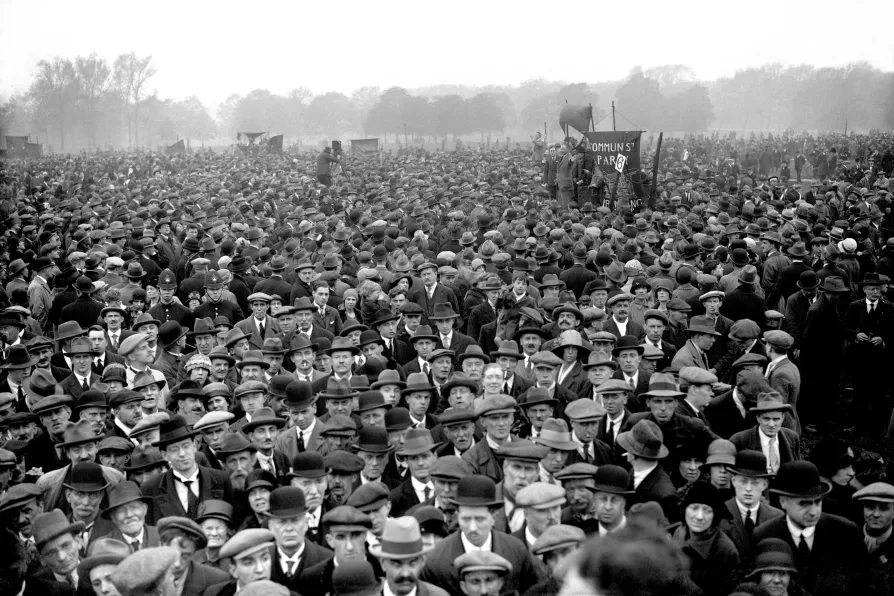
BEN CHACKO says in different ways, the centenary of the General Strike and that of Fidel Castro’s birth point to priority tasks for the British left in the coming year

It is only trade union power at work that will materially improve the lot of working people as a class but without sector-wide collective bargaining and a right to take sympathetic strike action, we are hamstrung in the fight to tilt back the balance of power, argues ADRIAN WEIR