To rescue Kahlo from the clutches of the corporate art market, we need to acknowledge the overt and covert political dimensions of the work, demands GAVIN O’TOOLE


 Latest editorial
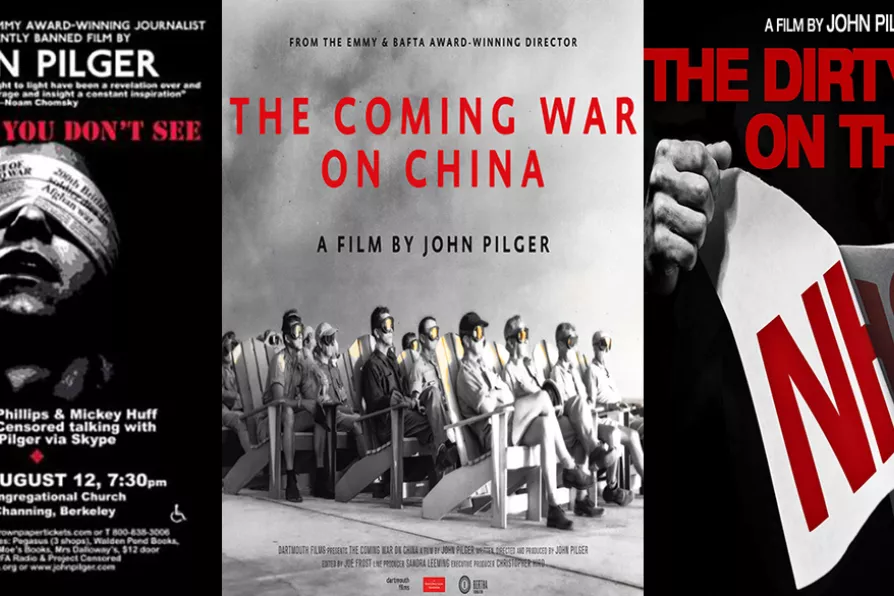
John Pilger’s mastery of the documentary essay
ANGUS REID reflects on John Pilger's late films as a popular form of political cinema
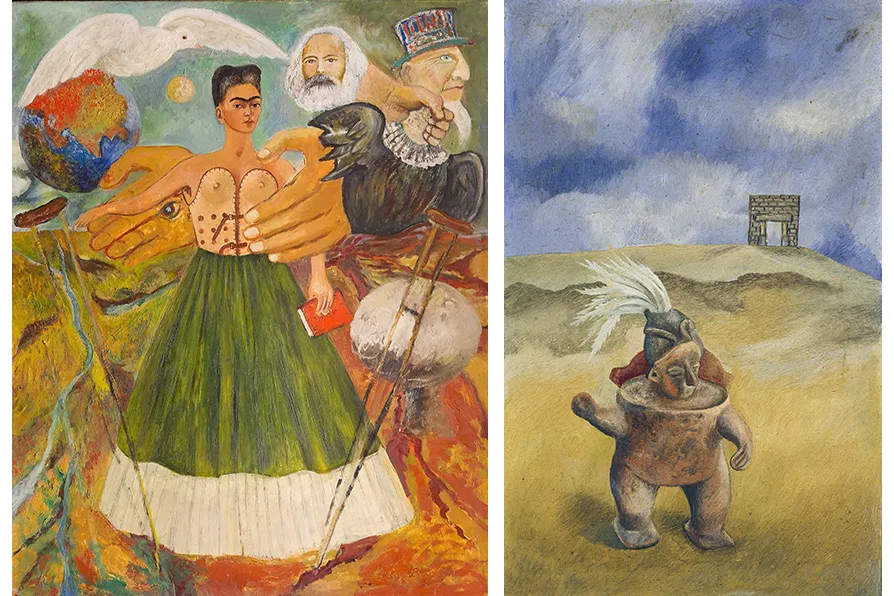
If you can see past the relentless commodification you will be rewarded by enormously powerful work, suggests JENNY MITCHELL
CHRIS SEARLE revels in the one-off collaboration between an American polymath and a British Muslim, and detects the presence of their revolutionary forebear
GORDON PARSONS revels in an ebullient production of Shakespeare’s magical comedy
BRENT CUTLER welcomes a thoughtful analysis of the Erdogan regime, viewed through the evolving history of a neighbourhood in Istanbul
GORDON PARSONS regrets the price, but is dazzled by an outstandingly ambitious study of the way art restoration in particular, and culture in general was weaponised by the Nazis





IN 2007 John Pilger, after four decades of producing reportage films for TV, created his first film for cinema, The War on Democracy, and began a series of feature films for cinema that built on his achievement as a journalist and political writer, and surpassed it.
To embrace the longer form allowed him to change his relationship to the viewing public, from one that reported information towards a radical critique of capitalism from within, focusing on the abuse of power, the elimination of human rights and the inevitable tendency towards war.
There are five great films in this late, mature burst of creativity, all of them free to watch on his website johnpilger.com, and they demonstrate the political usefulness of the documentary essay as a form, unlike journalism, that can project analysis into the future and remain relevant beyond the date of production.

Similar stories
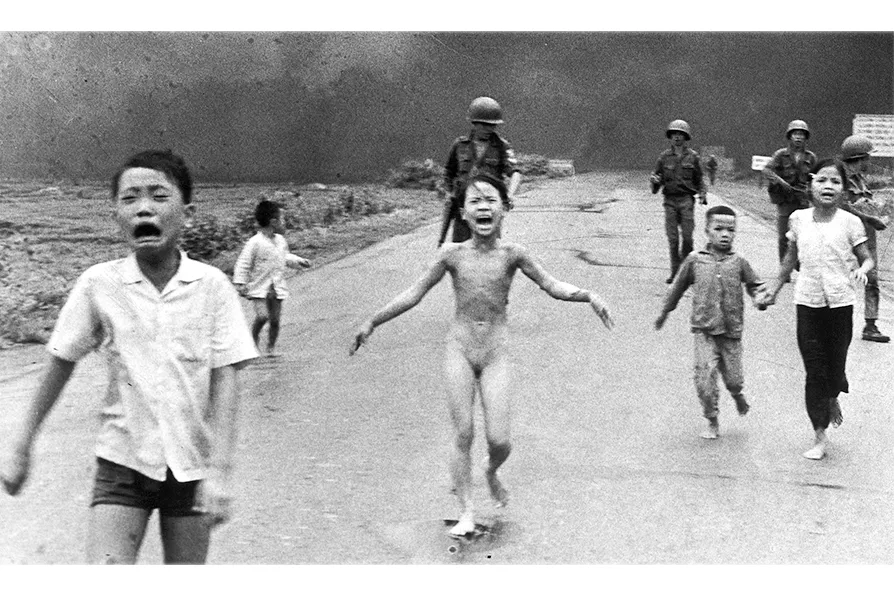
If true, the photo’s history is a damning indictment of the systematic exploitation of non-Western journalists by Western media organisations – a pattern that persists today, posit KATE CANTRELL and ALISON BEDFORD
On January 2 2014, PJ Harvey used her turn as guest editor of the Today programme to expose the realities of war, arms dealing and media complicity. The fury that followed showed how rare – and how threatening – such honesty is within Britain’s most Establishment broadcaster, says IAN SINCLAIR
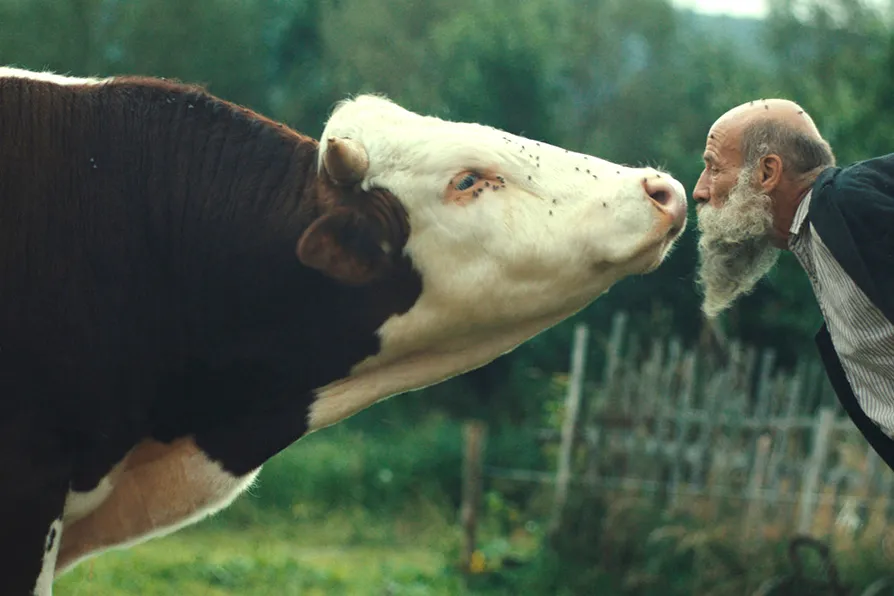
RITA DI SANTO gives us a first look at some extraordinary new films that examine outsiders, migrants, belonging and social abuse
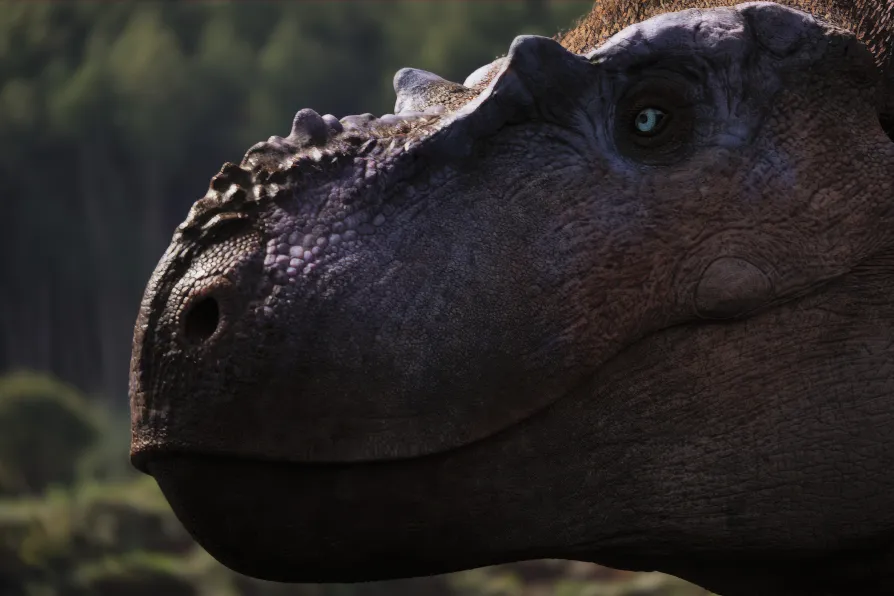
200 years since the first dinosaur was described and 25 after its record-breaking predecessor, the BBC has brought back Walking with Dinosaurs. BEN CHACKO assesses what works and what doesn’t