All the evidence shows voters want Labour to shift to the left — but initial signs from Andy Burnham are worrying on that front, cautions DIANE ABBOTT


 Latest editorial
Understanding the elections in Taiwan
The main, Western-backed separatist party has returned to power – but with a smaller majority, thanks in part to the emergence of a ‘third camp’ sitting between full independence and reunification with China, explains KENNY COYLE
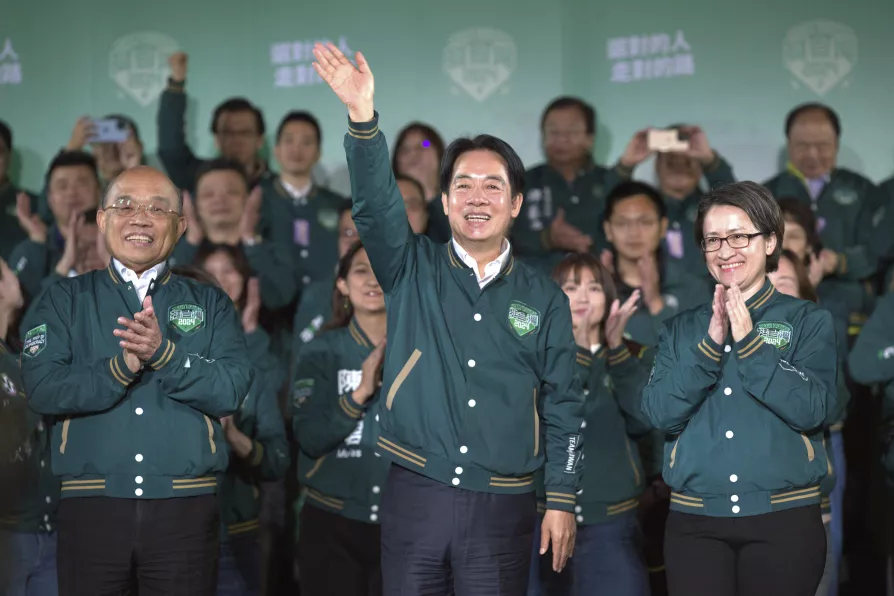 Taiwanese Vice President Lai Ching-te, also known as William Lai, centre, celebrates his victory with running mate Bi-khim Hsiao, right, and supporters in Taipei, Taiwan, January 13, 2024

ANDY McDONALD MP says Labour must show it is capable of delivering real improvements in people’s lives — bold action is required
ANGUS REID and ANDREW JOHNSTONE report on an initiative that we must take this summer
ALLISON FEWTRELL on what Plaid Cymru's historic election victory means for the communities being failed by Wales’s housing crisis, and four things the new government can do right now
France Insoumise MP JEROME LEGAVRE speaks to Christophe Domec on building the Europe-wide peace movement that came together in the International Conference Against War last weekend
At last weekend’s International Conference Against War, LINDA PENTZ GUNTER talks to the Palestinian physician and politician about the struggles ahead to achieve a truly free Palestine





PRESIDENTIAL elections in Taiwan have returned the ruling Democratic Progressive Party’s (DPP) candidate Lai Ching-te with 40 per cent of the vote, beating his main rival Hou You-yi of the Chinese Nationalist Party (Kuomintang or KMT) on 33.49 per cent, and Ko Wen-je of the Taiwan People’s Party (TPP) supported by 26.46 per cent of voters.
Lai, who is the incumbent vice-president, led the DPP to its third consecutive term in office, the first three-time tenure since direct presidential elections began in Taiwan in 1996.
In a victory speech, president-elect Lai said Taiwan had shown the world that “between democracy and authoritarianism, we will stand on the side of democracy.”

Similar stories
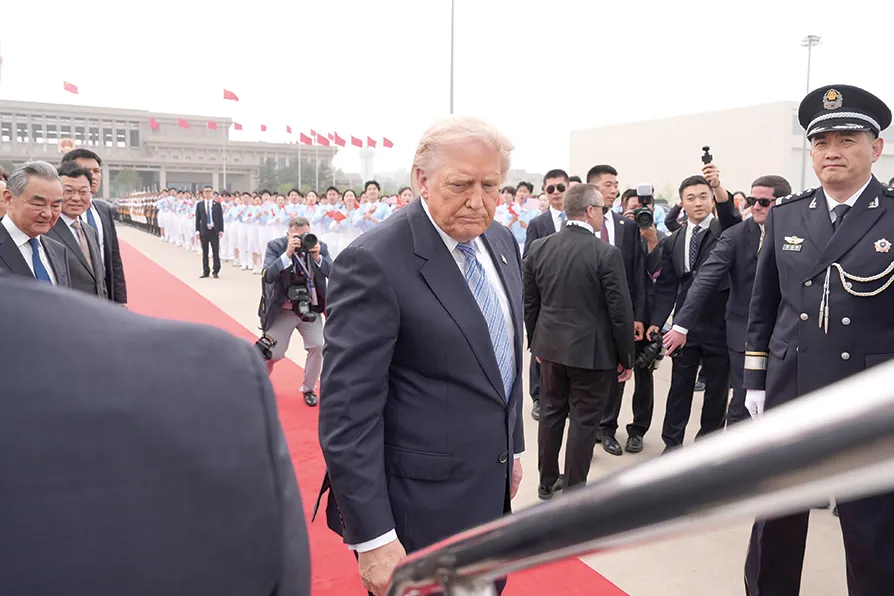
JENNY CLEGG looks at the key points that defined the China-US relationship, for now

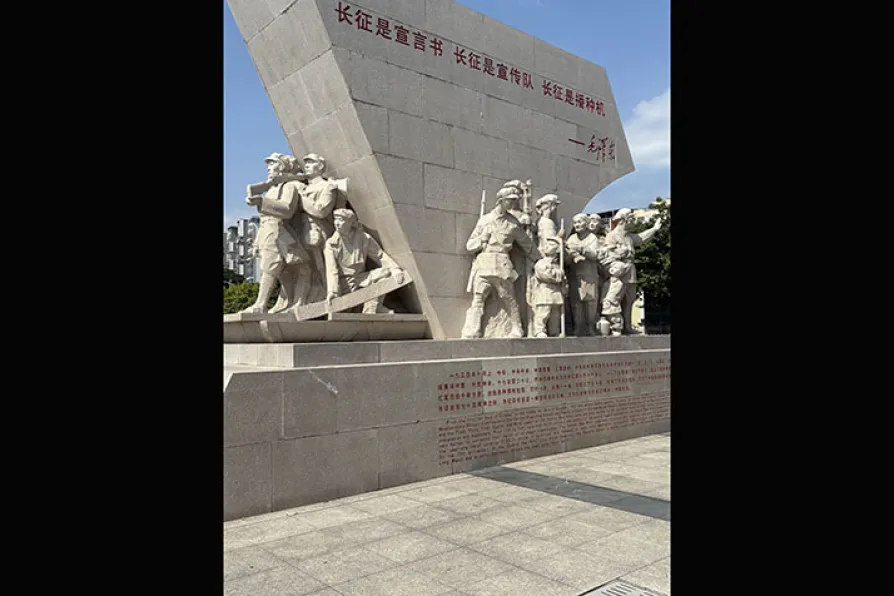
STEPHEN BELL reports from a delegation that traced the steps of China’s socialist revolution from its first modest meetings to the Red Army’s epic 9,000km battle to create the modern nation that today defies every capitalist assumption

From 35,000 troops in Talisman Sabre war games to HMS Spey provocations in the Taiwan Strait, Labour continues Tory militarisation — all while claiming to uphold ‘one China’ diplomatic agreements from 1972, reports KENNY COYLE