All the evidence shows voters want Labour to shift to the left — but initial signs from Andy Burnham are worrying on that front, cautions DIANE ABBOTT


 Latest editorial
Amazon, Trader Joe’s and SpaceX line up for anti-union attack
These three companies are seeking removal of workers’ rights by arguing that the US National Labour Relations Board is unconstitutional, warns TONY BURKE
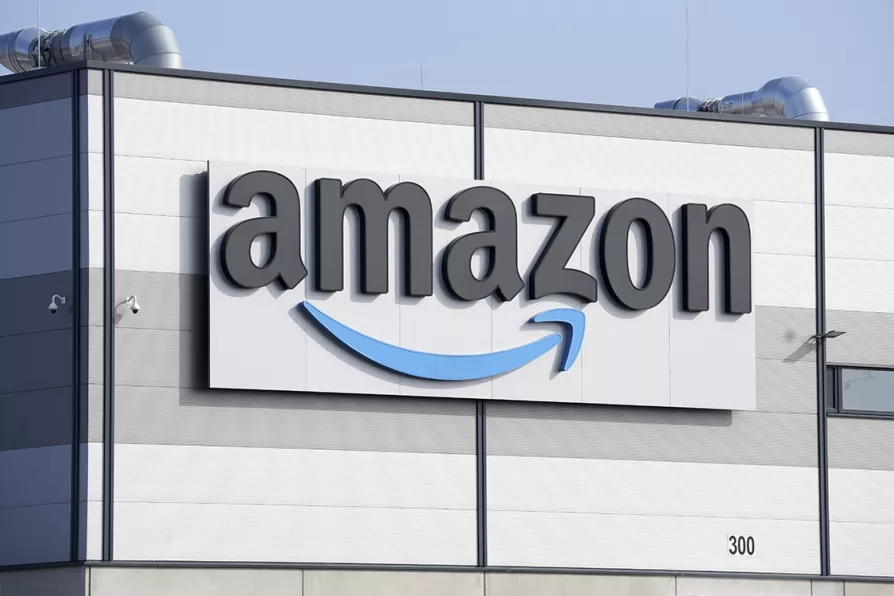 An Amazon company logo is seen on the facade of a company's building in Schoenefeld near Berlin, Germany, on March 18, 2022

ANDY McDONALD MP says Labour must show it is capable of delivering real improvements in people’s lives — bold action is required
ANGUS REID and ANDREW JOHNSTONE report on an initiative that we must take this summer
ALLISON FEWTRELL on what Plaid Cymru's historic election victory means for the communities being failed by Wales’s housing crisis, and four things the new government can do right now
France Insoumise MP JEROME LEGAVRE speaks to Christophe Domec on building the Europe-wide peace movement that came together in the International Conference Against War last weekend
At last weekend’s International Conference Against War, LINDA PENTZ GUNTER talks to the Palestinian physician and politician about the struggles ahead to achieve a truly free Palestine




AMAZON, US grocery chain Trader Joe’s and Elon Musk’s SpaceX, a defence, space craft and satellite manufacturing company — three companies with records of anti-union activity and which face accusations of labour law violations — are attempting to have the entire US system by which workers can seek to secure union rights ruled unconstitutional.
The National Labour Relations Board (NLRB), while cumbersome and subject to abuse by anti-union employers, was set up by the 1935 Wagner Act. This was amended in 1947 through the Taft-Hartley Act (which weakened the law) and in 1959 through the Landrum-Griffin Act.
The main functions of the NLRB are to decide, when petitioned by employees, if an appropriate bargaining unit of employees exists for collective bargaining; to determine by secret-ballot elections (conducted by the NLRB) whether the employees in a business or industry wish to be represented by labour unions; and to prevent or correct unfair labour practices by employers and unions. The US president appoints the five board members and the board’s general counsel.
Similar stories
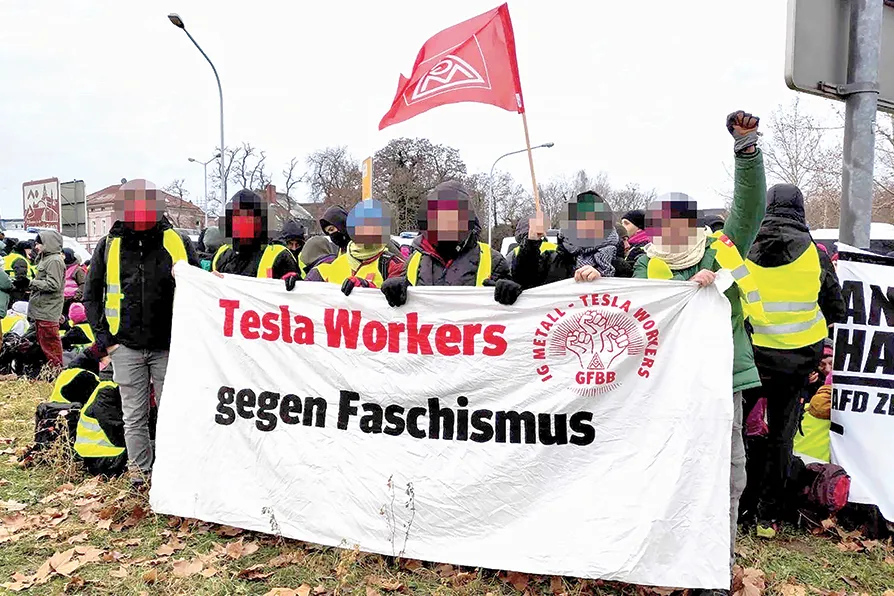
A setback for IG Metall at Tesla’s Berlin plant has ignited claims of intimidation and raised fears for the future of collective bargaining and workplace democracy, says TONY BURKE
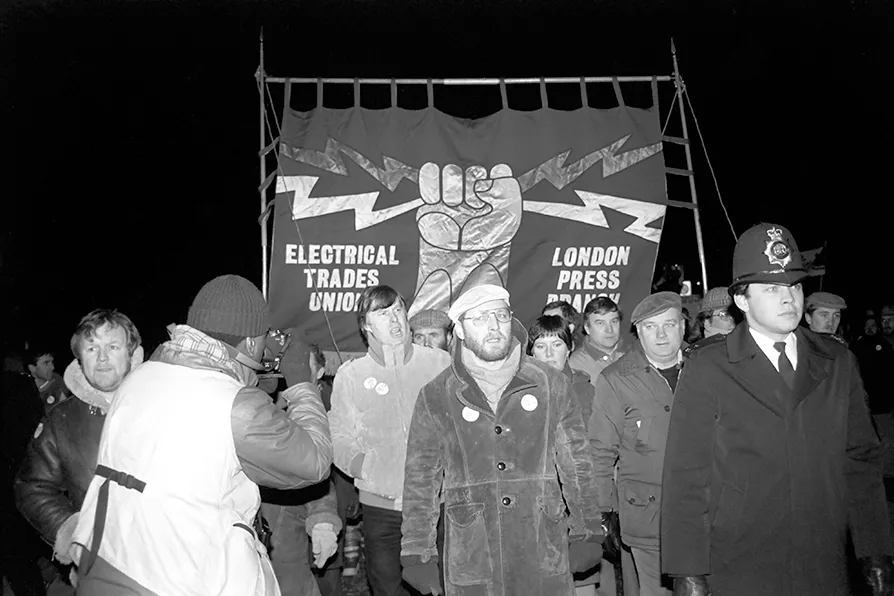
A past confrontation permanently shaped the methods the state will use to protect employers against any claims by their employees, writes MATT WRACK, but unions are readying to face the challenge
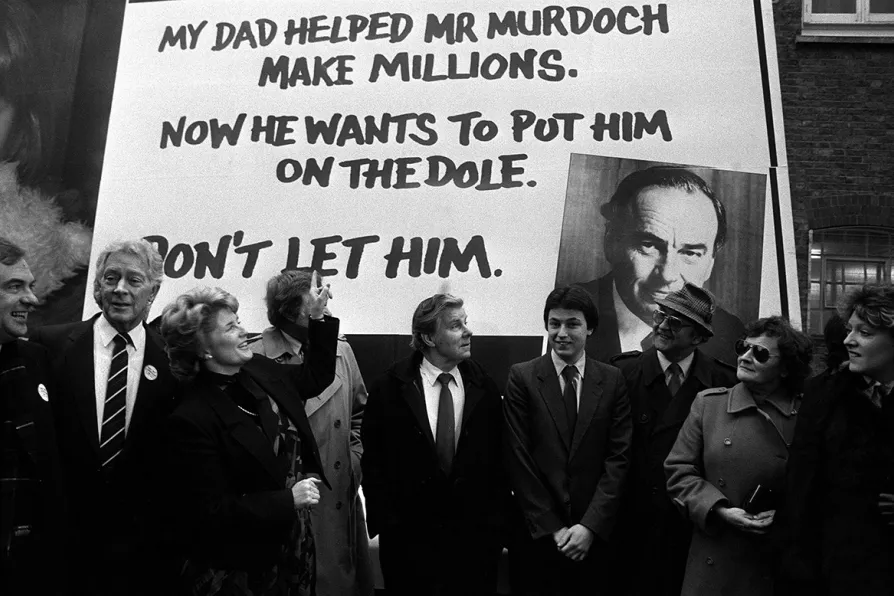
Enduring myths blame print unions for their own destruction – but TONY BURKE argues that the Wapping dispute was a calculated assault by Murdoch on organised labour, which reshaped Britain’s media landscape and casts a long shadow over trade union rights today
Labour’s long-promised Act has scraped through the Lords. While the law marks a step forward, its lack of collective rights leaves workers short-changed — and sets the stage for a renewed campaign for an Employment Rights Bill #2, argues TONY BURKE