To rescue Kahlo from the clutches of the corporate art market, we need to acknowledge the overt and covert political dimensions of the work, demands GAVIN O’TOOLE


 Latest editorial
Letters from Latin America with Leo Boix: March 12, 2024
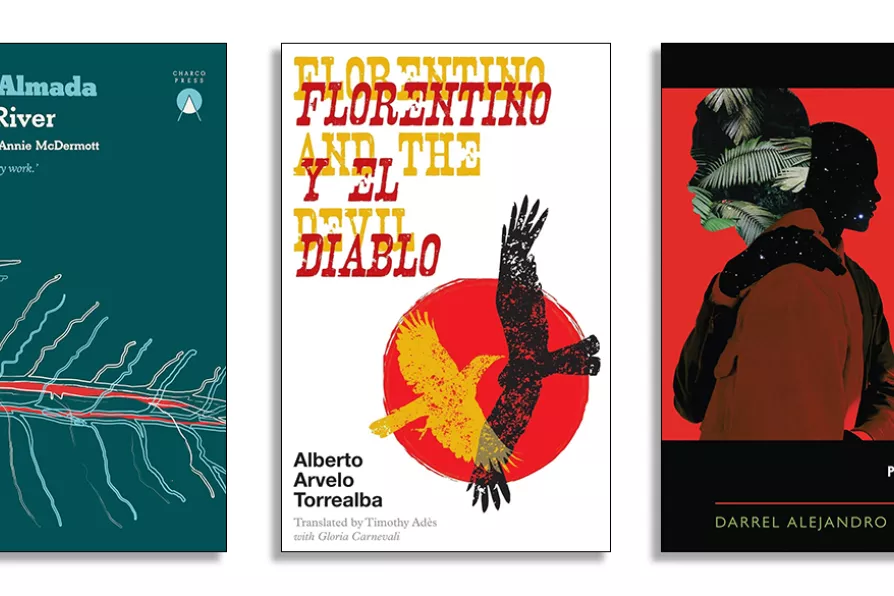
A lush and watery fishing trip, besting the Devil, and the coming-of-age of a queer Afro-Panamanian: reviews of the Argentinian Selva Almada, the Venezuelan Alberto Arvelo Torrealba and the Panamanian Darrel Alejandro Holnes
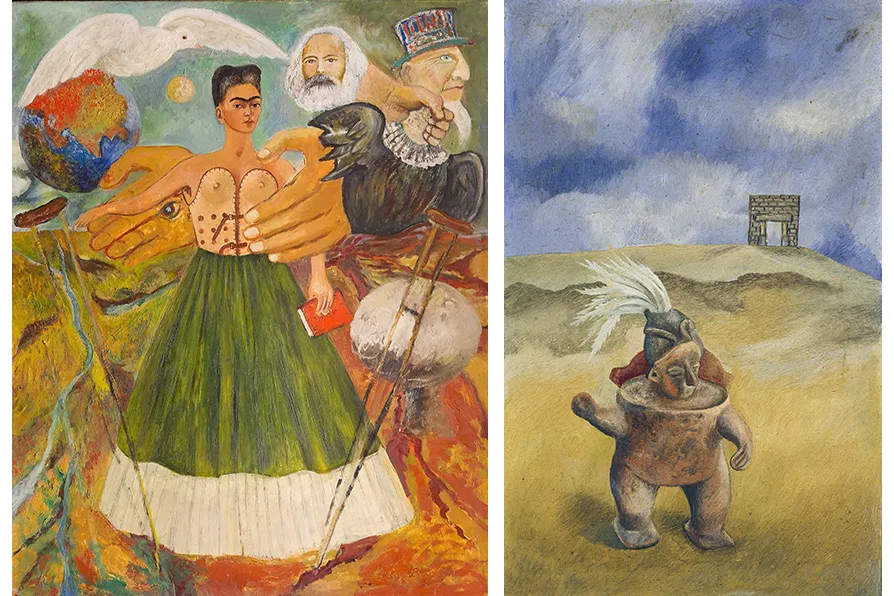
If you can see past the relentless commodification you will be rewarded by enormously powerful work, suggests JENNY MITCHELL
CHRIS SEARLE revels in the one-off collaboration between an American polymath and a British Muslim, and detects the presence of their revolutionary forebear
GORDON PARSONS revels in an ebullient production of Shakespeare’s magical comedy
BRENT CUTLER welcomes a thoughtful analysis of the Erdogan regime, viewed through the evolving history of a neighbourhood in Istanbul
GORDON PARSONS regrets the price, but is dazzled by an outstandingly ambitious study of the way art restoration in particular, and culture in general was weaponised by the Nazis





“ENERO REY, standing firm on the boat, stocky and beardless, swollen-bellied, legs astride, stares hard at the surface of the river and waits, revolver in hand.”
So begins Not a River (Charco Press, £11.99), Selva Almada’s third book in a loose trilogy that includes The Wind that Lays Waste and Brickmakers, all exploring issues of masculinity, the harsh life in the Parana Delta and the underlying forces of violence.
The book, beautifully translated by Annie McDermott and shortlisted for The Vargas Llosa Biennial Prize, evokes a place and a time that merges and meanders like the river itself. The story follows three men as they embark on a fishing trip under a baking sun. Along the way, one of the protagonists is haunted by the memory of a tragic accident that resurfaces like a bad dream. They encounter various rural characters who populate a world of daily tragedies, poverty and disappointments.

Similar stories
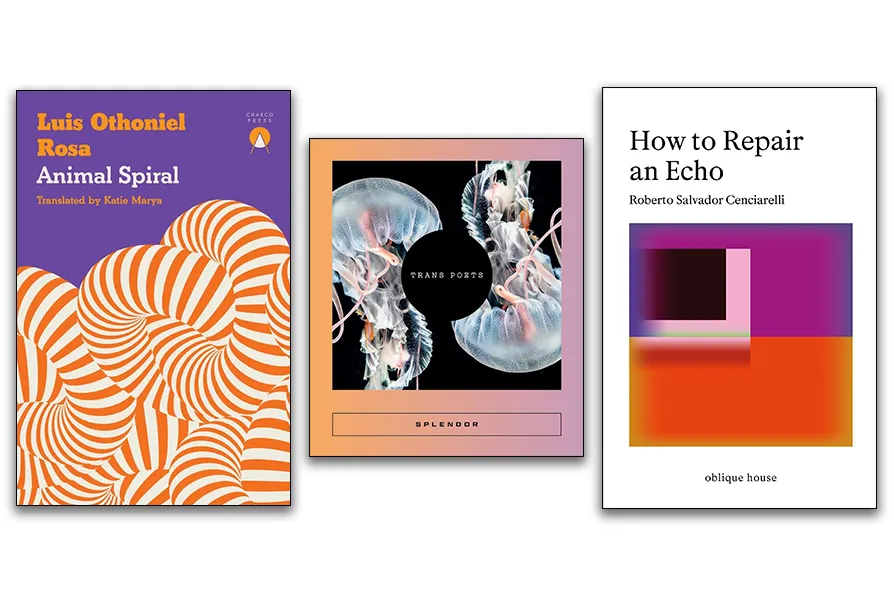
From post-human revolution in Puerto Rico to trans poetics and queer mythmaking, these three books that imagine new ways of being together
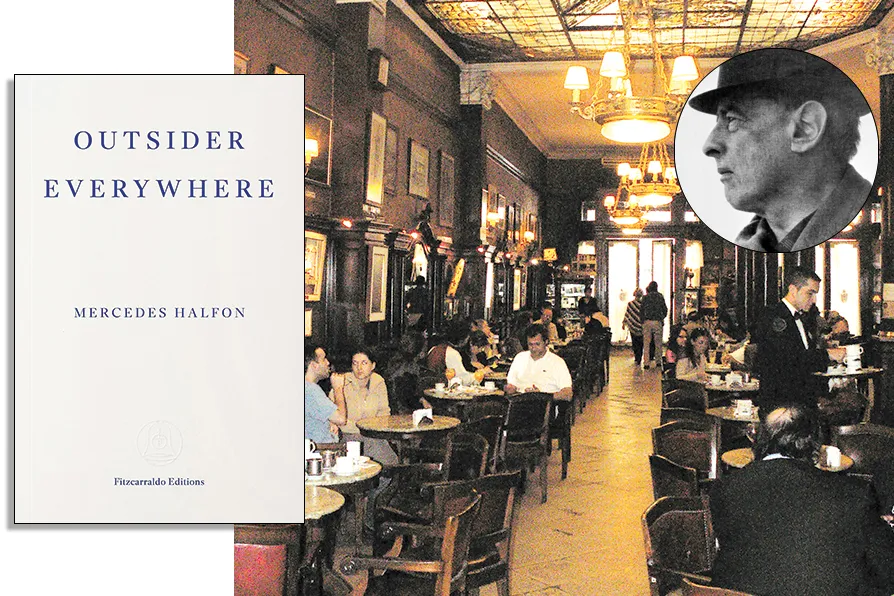
CHRIS MOSS joins the hunt in Argentina for the works of Poland’s most enigmatic exile
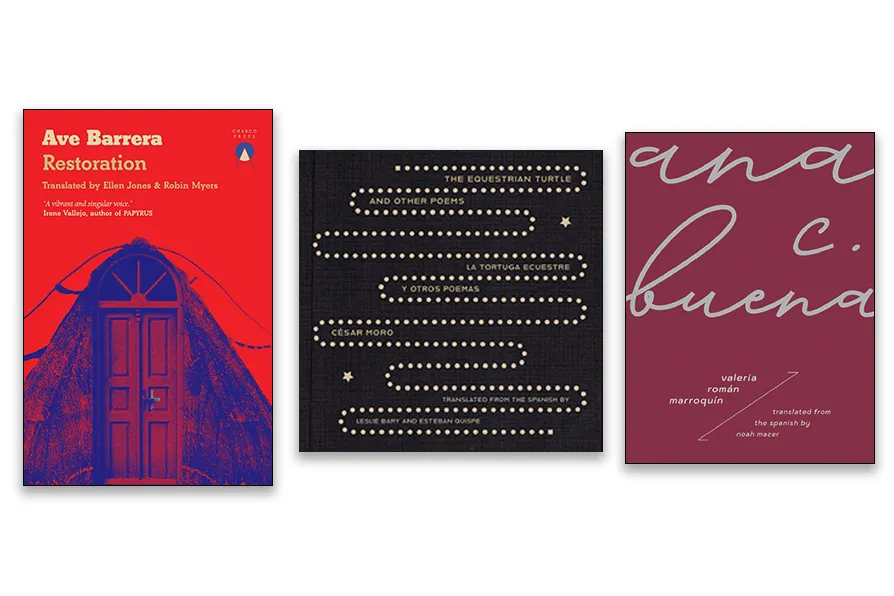
A ghost story by Mexican Ave Barrera, a Surrealist poetry collection by Peruvian Cesar Moro, and a manifesto-poem on women’s labour and capitalist havoc by Peruvian Valeria Roman Marroquin
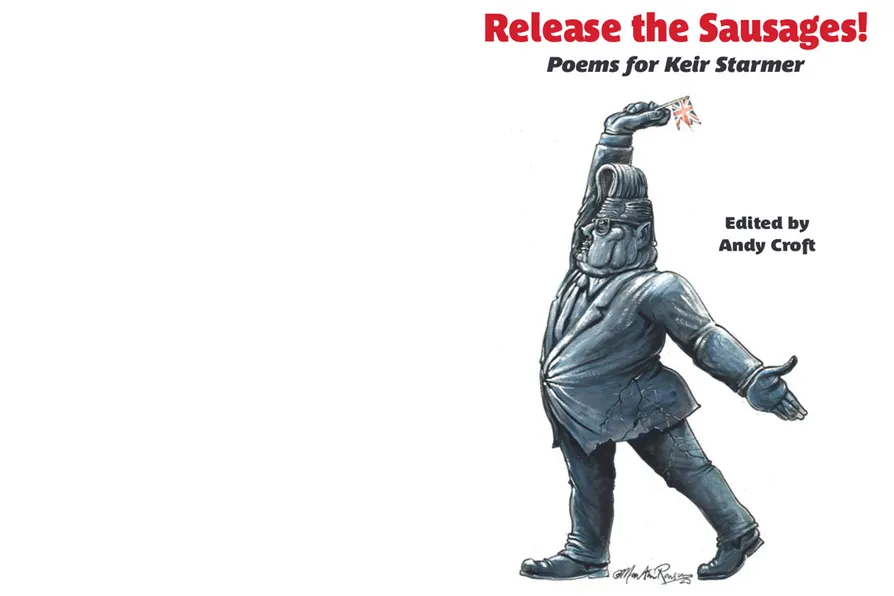
ANDY CROFT rallies poets to the impossible task of speaking truth to a tin-eared politician